

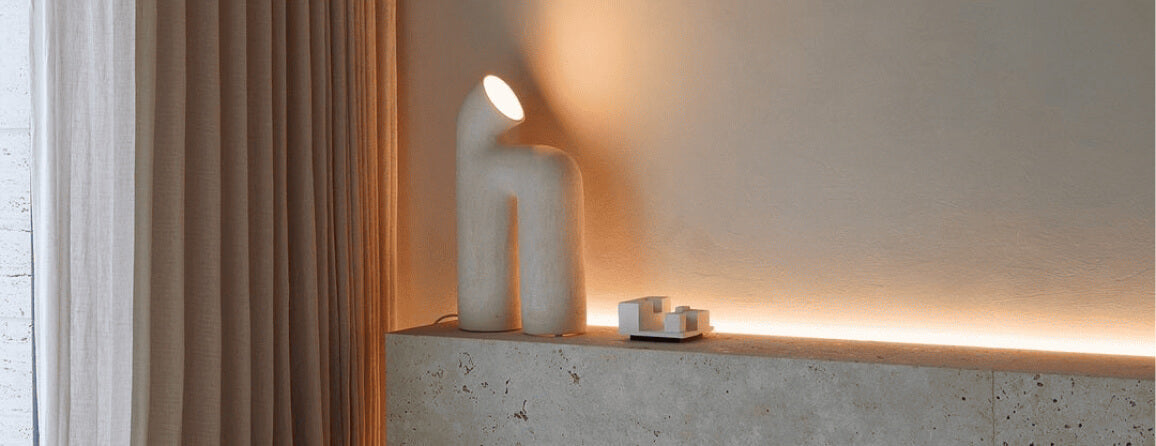
They’re everywhere. Practical, unobtrusive, and often considered modern. Recessed spotlights have become the go-to choice in many interiors. And yet, on their own, they aren’t enough. If there are too many of them, if they’re poorly positioned, or if their light is too cold, they cast a flat, one-dimensional glow that robs the space of depth and emotion.
To think of lighting solely in terms of functionality is to overlook its ability to create a mood, enhance an atmosphere, and bring out the texture and depth of materials and spaces. Good lighting does more than just illuminate: it complements, softens, and inspires.
Lighting that's too uniform ruins the atmosphere
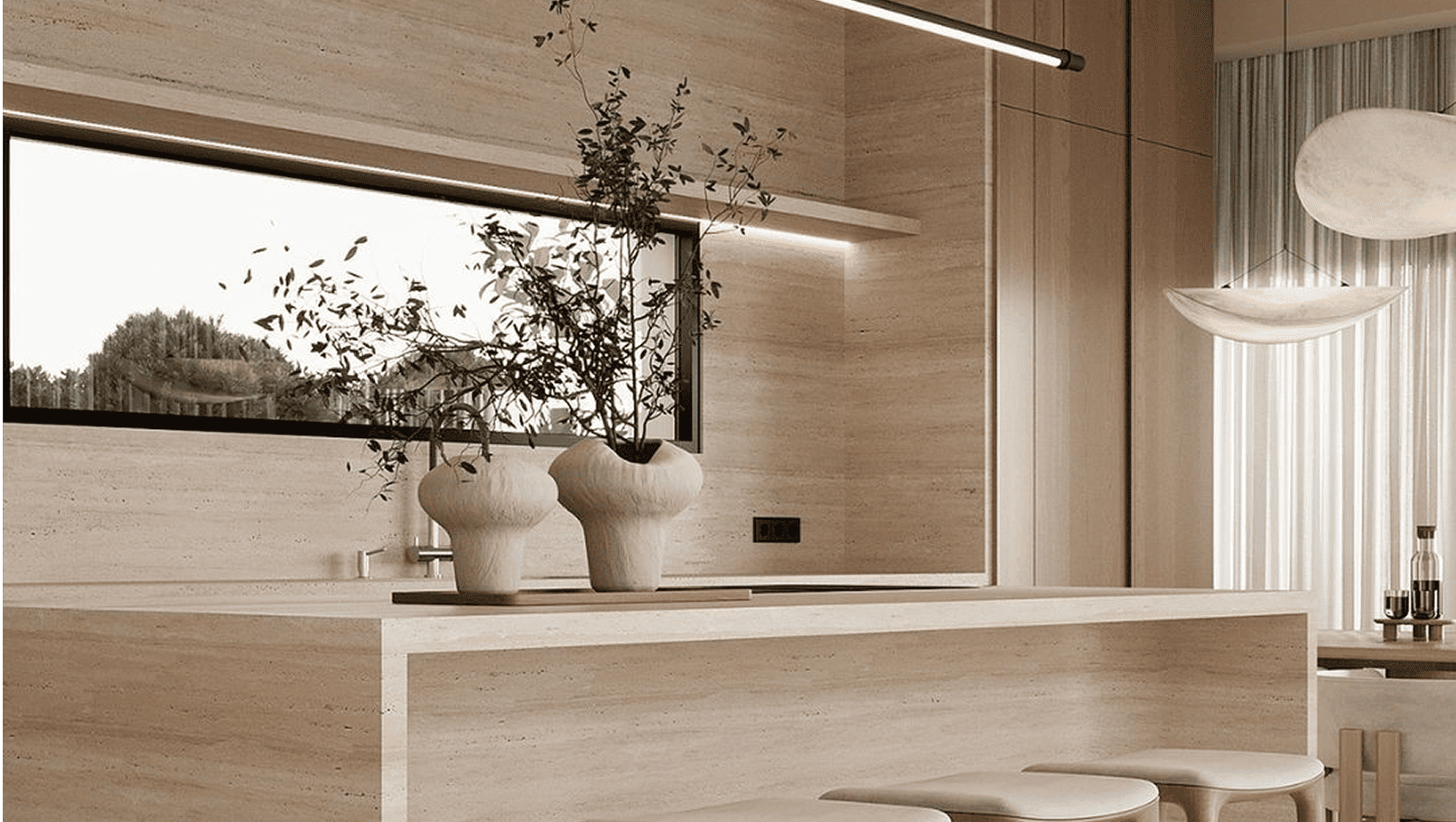
A living room lit solely by spotlights can quickly start to look like a waiting room. The light comes from above, directly, without any nuance or contrast. The walls look bare, the furniture appears dull, and everything becomes visually flat.
Take a Kipli sofa, for example. Made from natural materials—solid wood, washed linen, plant-based latex—it looks its best when highlighted by soft, diffused light. This light accentuates the fabric’s texture, reveals the depth of the cushions, and brings out the earthy tones. Under direct spotlights, all of that is lost.
The warmth of light: a key factor in creating a welcoming interior
One of the most common mistakes is choosing light bulbs that are too cool. Above 5,000 kelvins, the light becomes white, almost bluish. It’s more reminiscent of a medical setting than a cozy evening retreat.
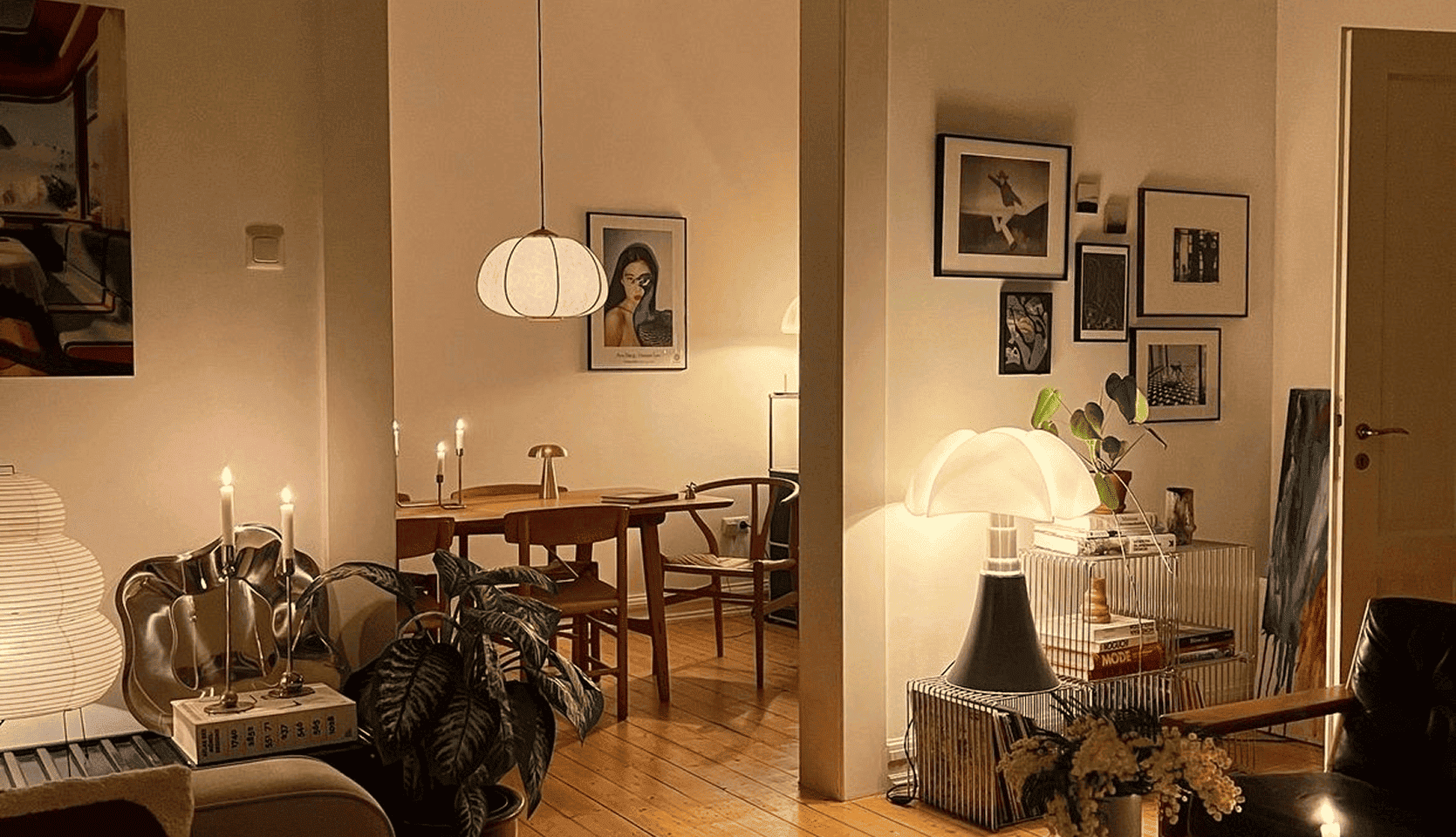
Conversely, light in the 2700K to 3000K range, with golden or amber hues, immediately creates a softer, more enveloping atmosphere. It soothes and invites calm and rest.
A sofa lit by a warm-toned light bulb becomes a place of refuge. You settle in with a book, a cup of tea, and a blanket. The light contributes to the comfort just as much as the seating itself.
Lamps: Much More Than Just Light Fixtures
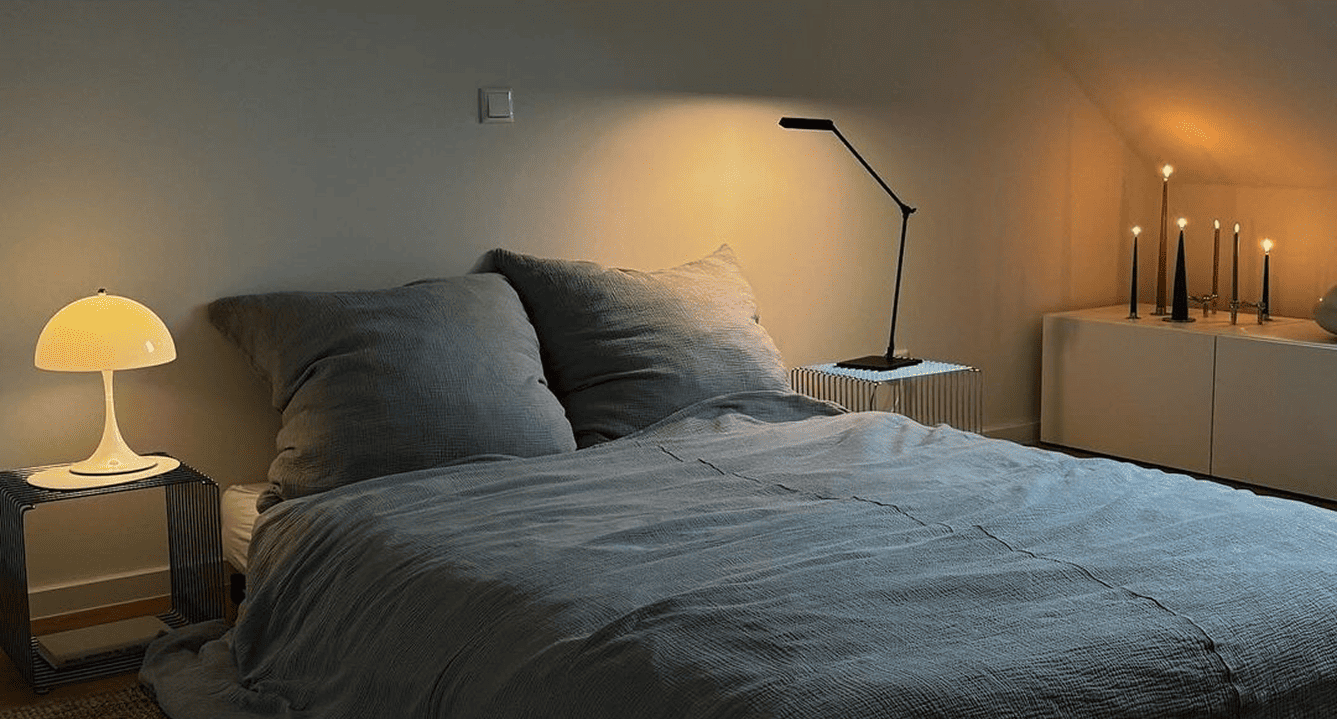
They are sometimes considered secondary items. Yet lamps play a central role in creating an interior atmosphere.
When placed at the right height and made from natural materials, they transform, diffuse, and filter light. They allow you to create zones, define distinct atmospheres, and structure a space without using walls.
Table lamps provide visual comfort. Wall sconces, with their indirect lighting, soften the space. Pendant lights, when chosen well, enhance the ceiling and draw the eye.
When styling a Kipli sofa, opt for lamps with linen shades, wooden bases, and woven paper frames. These materials all speak the same language: one of softness, balance, and natural light.
Create contrast for a vibrant interior
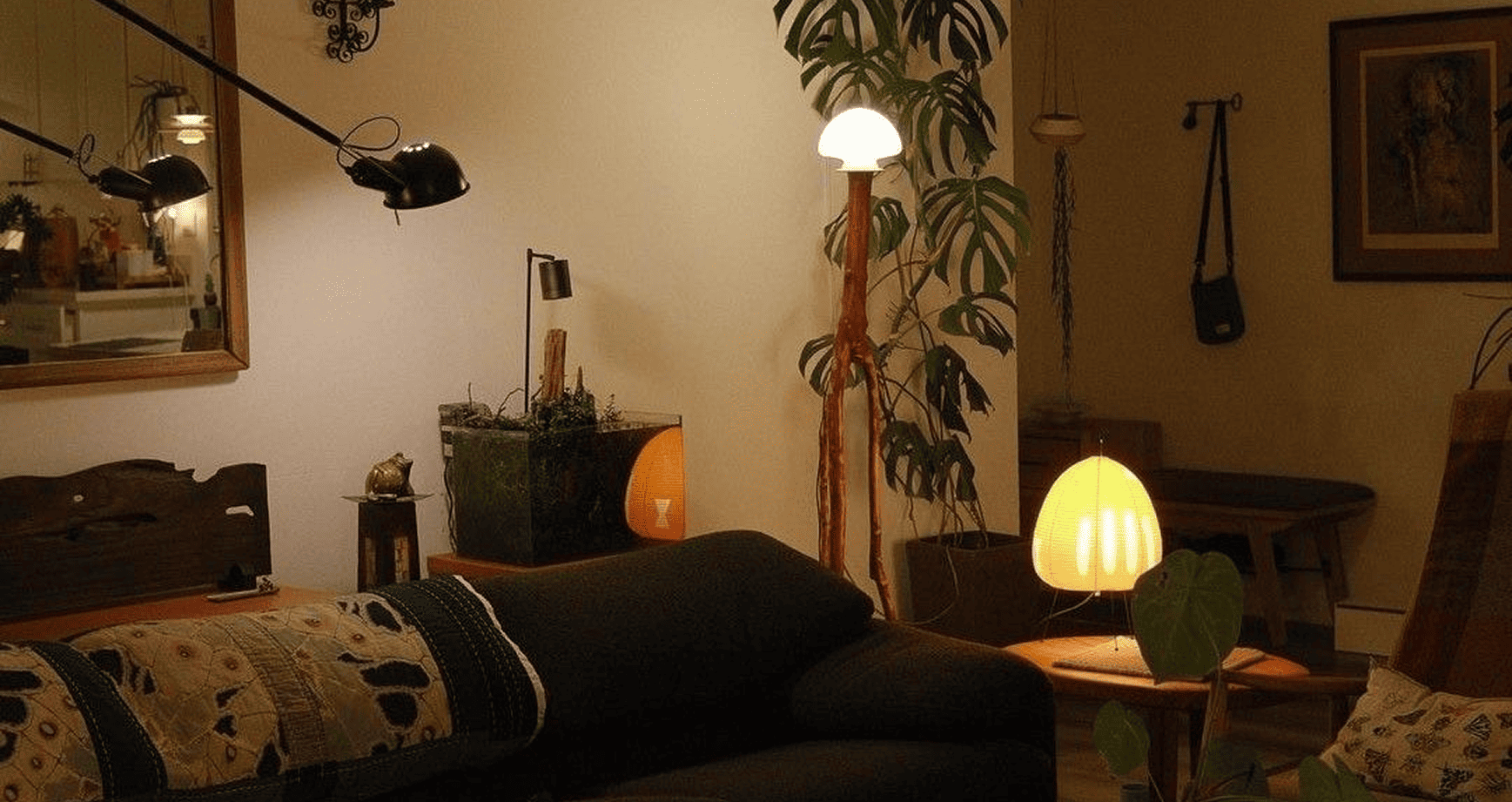
Good lighting isn't uniform. It creates areas of shadow, varying intensities, and different levels. It plays with light the way music is used in a film: to create rhythm, tension, and moments of release.
A well-lit interior isn't uniform. It breathes. It catches the eye without ever being overwhelming. A living room doesn't need to be lit the same way everywhere—on the contrary, it's this variation that brings it to life.
And what about Kipli sofas in all this?
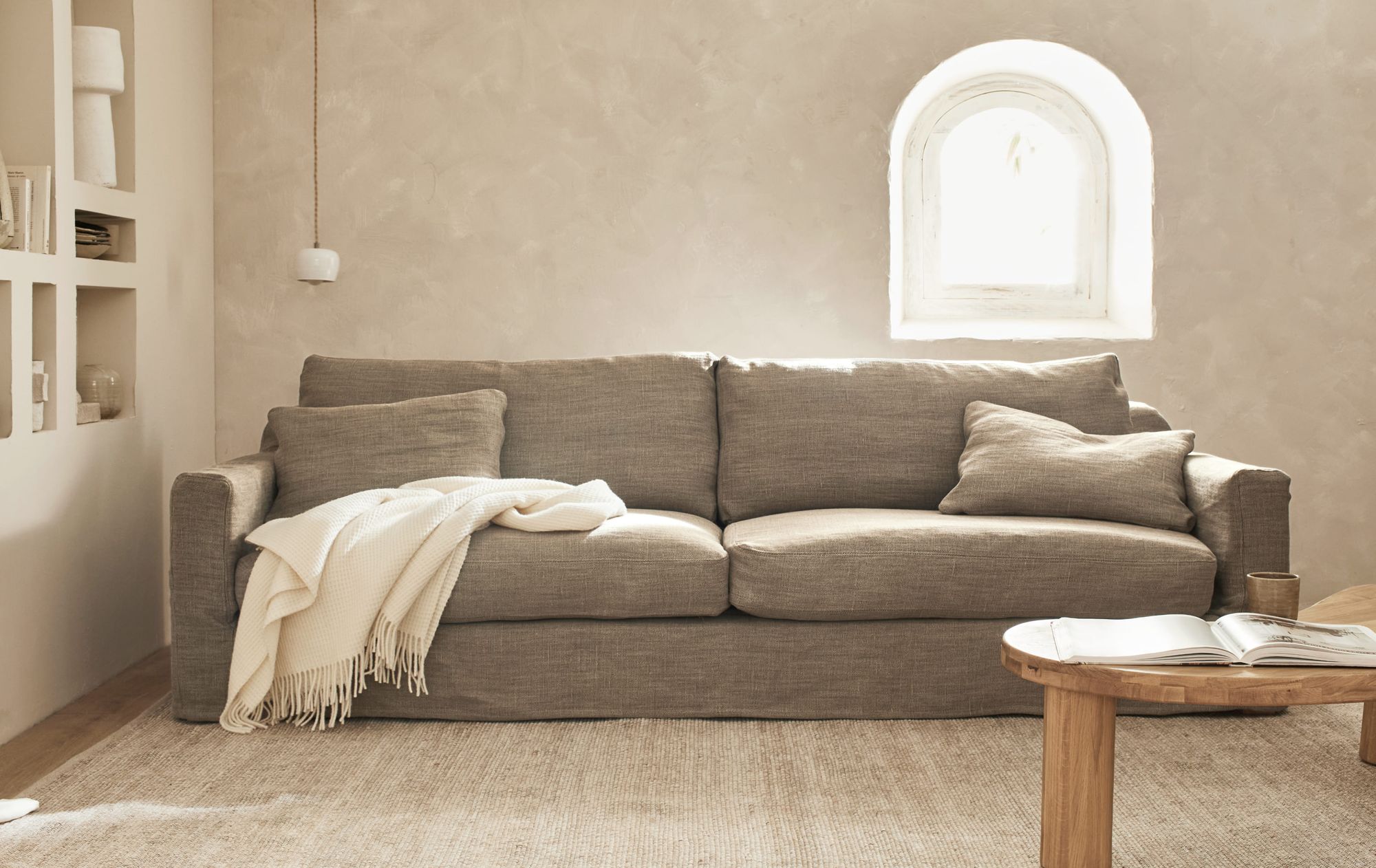
A sofa is much more than just a piece of furniture. It’s a place to retreat, a refuge, a personal space. And light plays a key role in revealing its presence, its texture, and its promise.
At Kipli, sofas are designed to last, but also to be enjoyed. The washed linen subtly catches the light. The solid wood reveals its grain under warm lighting. The plant-based latex conforms to the shape of the body—and to the shape of the light.
When the room is well-lit, the Kipli sofa becomes the focal point. Not because it’s in the center, but because you just want to sit there. The light naturally draws you to it.
Conclusion: A warm interior starts with lighting
For a long time, lighting was viewed as a technical constraint. Yet it is at the heart of everything: it shapes space, highlights materials, and creates atmospheres.
Good lighting isn't something you see—it's something you feel.
So, rather than just adding more lights, ask yourself this: What if light could become a gesture?A gentle, unobtrusive, yet essential gesture.