

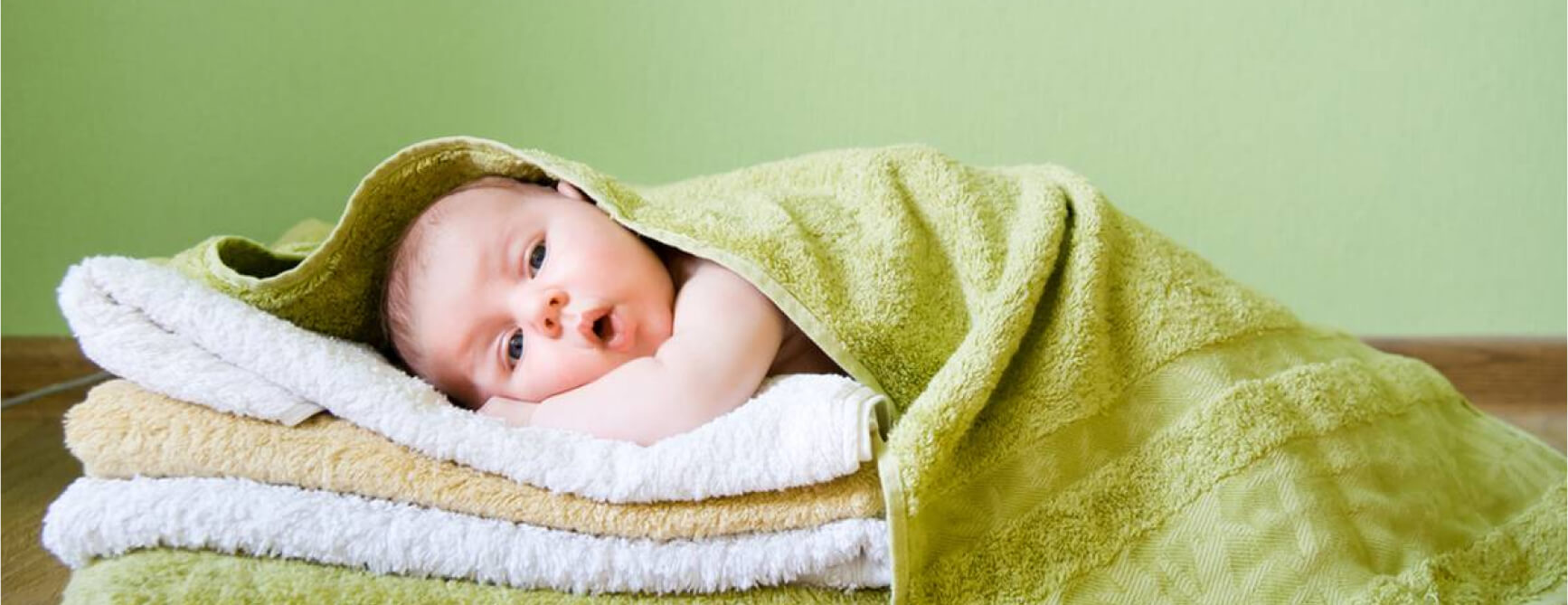
Enjoying those first moments of life with your baby is essential for strengthening the unique bond formed during pregnancy—and for ensuring your baby receives all the attention necessary for healthy development. As a result, daily routines are making a comeback as a way to foster closeness with your baby —all while keeping them safe. This is the case with co-sleeping, which allows parents to respond more quickly to their child’s needs, especially at night. Indeed, a newborn’s rhythm requires constant attention throughout the day for breastfeeding, bottle-feeding, or diaper changes. New parents get creative to make life easier for both the baby and themselves. Co-sleeping is one solution for quickly soothing a child’s nighttime crying. While this practice offers many benefits, what criteria should parents consider when choosing a crib to ensure it fits their needs?
A co-sleeping bed to be as close as possible to your baby
Co-sleeping involves having a child sleep directly in the parents’ bed or in a small crib placed next to the parents’ bed and at the same height. Co-sleeping in the parents’ bed was a very common practice in the West before the advent of cribs. It has remained widespread in Scandinavian countries and has been making a strong comeback in France in recent years. Indeed, there are numerous benefits associated with this practice, and they appeal to new parents.
Having an infant sleep next to them is quite reassuring for both parents and the baby. Babies have a very sensitive sense of smell that allows them to recognize their mother’s body odor—a benefit that helps them sleep more peacefully. As for parents, being able to respond quickly to their child’s cries means they don’t have to leave the baby alone for too long and can provide a greater sense of security. The baby falls asleep more easily this way, as they don’t like being left to cry. Nights are punctuated by the baby’s various awakenings; with co-sleeping, it’s possible to breastfeed the baby without having to get out of bed. This creates a smoother flow to nighttime routines, which generally works well for the whole family.

However, it is recommended to practice co-sleeping with a separate bed for the baby and the parents to reduce the risk of sudden infant death. In his own bed, the baby is safe and can move around and sleep under his mother’s supervision. Co-sleeping with a separate bed specifically helps prevent the risk of sudden infant death because parents can detect if there is a problem during the night.
The WHO recommends not co-sleeping for more than 6 months, which is around the time the baby starts sleeping through the night
Parents can then regain some privacy, and the baby can enjoy his or her new room. In the meantime, what is the ideal setup for parents and children to share a room and sleep together?
Key Selection Criteria for a Co-Sleeping Crib
Creating the ideal environment for their baby’s first nights is one of the concerns of new parents. When deciding to co-sleep, the question of which crib to choose arises. There are two main types of cribs for co-sleeping. The freestanding crib, which is placed next to the parents’ bed but remains separate. It opens only on one side to attend to the baby’s needs. And the crib designed to be attached to the parents’ bed, which remains open on one side so the mother can directly access her child. This type of crib includes fasteners to connect the two beds. The advantage is that you can detach the crib from the parents’ bed so it can stand on its own again. Because of its small size, it’s easy to move around as needed by the parents.
To stand the test of time, There's the option of a convertible bed, because after 6 months, the crib is no longer suitable. At that point, you need to switch to a crib with bars as soon as the child begins to sit up. For the best value, an adjustable bed is therefore the most suitable solution.When it comes to materials, chemical-free solid wood is highly recommended for creating a healthy environment. It is durable and will last through the child’s first months or years without deteriorating. In addition, it will be easier to resell or give away once it no longer fits, since it will still be in good condition.
Finally, when choosing a mattress, natural materials are once again the best option. There are models made of 100% natural latex that provide the ideal comfort for a baby—neither too firm nor too soft—and they do not emit VOCs that are harmful to an infant’s health.