

Memory foam bolster pillow: yes or no?
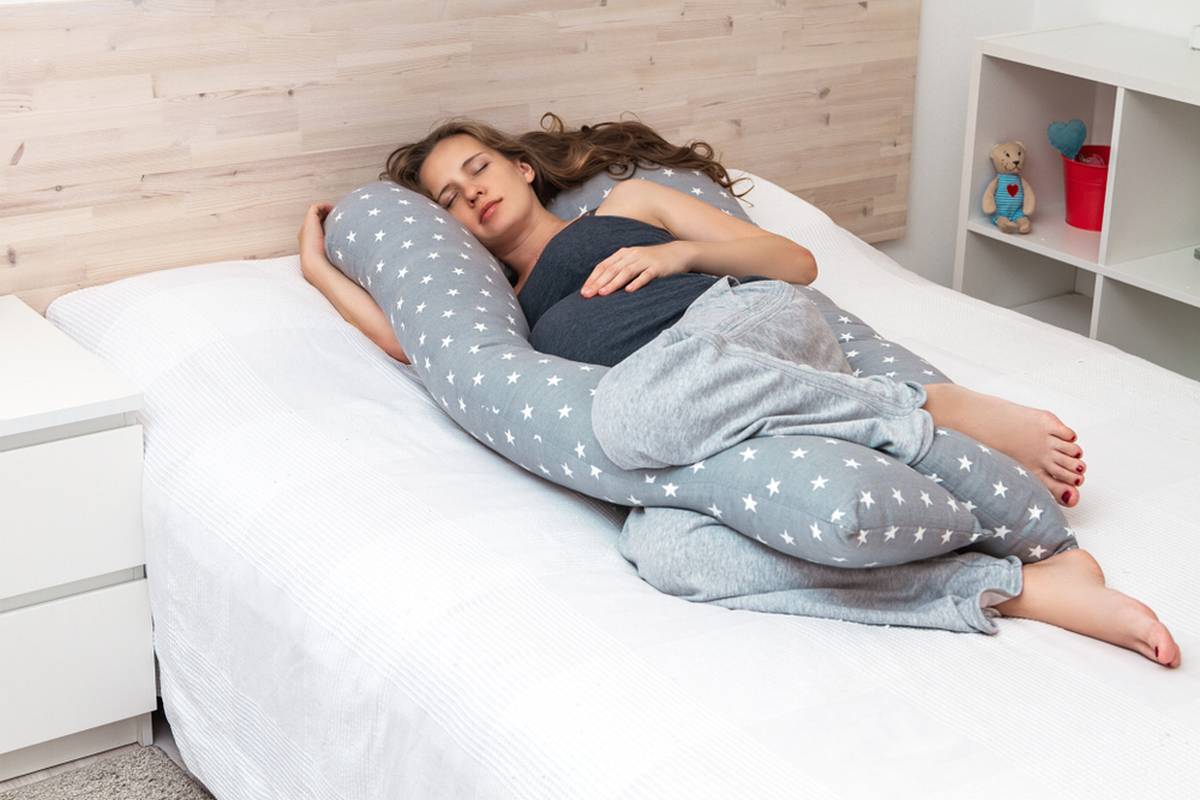
Just like pillows, bed and sofa bolsters come in many different shapes. The traditional round or cylindrical model is still popular today. However, newer flat and U-shaped models are becoming increasingly popular. So, which bolster should you choose to ensure a good night’s sleep? The choice isn’t just about the shape of the bolster; the material and filling matter too.
In this regard, manufacturers are constantly innovating to ensure maximum comfort for their customers. As a result, the memory foam bolster is one of the new bedding items designed to promote a good night’s sleep. It is already highly regarded by the general public for all its benefits. However, there are certain drawbacks that can reduce its comfort. Here, we outline the pros and cons of the memory foam bolster.

What are the benefits of a memory foam bolster pillow?
The memory foam bolster pillow has features that are sought after by sleepers, both adults and children. As a result, they enjoy certain benefits when using it.
Improved support
A memory foam bolster, like a duvet cover, mattress protector, or fitted sheet, is an essential bedding accessory. Sleepers indeed reap many benefits from it on a daily basis. Among the most important is the support it provides for the neck and back while the body is at rest, no matter what time of day it is. This isn’t always the case with other materials and fillings.
In fact, the viscoelastic foam used in memory foam bolsters is thermosensitive, which gives the bolster some truly remarkable properties. It provides the sleeper with consistent support for the neck and back, regardless of sleeping position. Even when sleeping on one’s side, the memory foam bolster effectively supports these areas.
A Better Sleeping Position
Viscoelastic memory foam has a unique feature: it reacts not only to heat but also to movement. As a result, the memory foam bolster conforms to the sleeper’s body shape. But that’s not all! Thanks to the contouring and adaptable properties of memory foam, the sleeper’s head sinks slightly into the bed or sofa bolster, allowing for proper alignment of the neck with the spine.
While a memory foam bolster promotes proper alignment of the head, neck, and spine, it is important to choose the right shape of bolster for your bed or sofa, as well as the appropriate level of firmness. The choice depends on your sleeping position. As a general rule:
- A pillow that is part firm and part soft, either rectangular or round, is ideal for people who sleep on their side;
- A soft bolster—whether shaped like a music stand or flat—is suitable for people who sleep on their stomachs;
- A firm bolster—whether in a U-shape or flat—is suitable for sleepers who are most comfortable sleeping on their backs.
Relief from neck and lower back pain
Specialists recommend that patients with back pain use a memory foam bolster. Indeed, the viscoelastic foam in the ergonomic memory foam bolster eliminates pressure points in the back, neck, and nape, thereby relieving pressure on the spine and cervical vertebrae. This significantly improves sleep quality for people suffering from neck pain (whiplash, osteoarthritis, torticollis, etc.) or back pain (lumbago, sciatica, herniated disc, low back pain, etc.).
Satisfactory longevity
The main reason this bed or sofa bolster is so durable is the memory foam technology it incorporates. In fact, the quality of the viscoelastic foam inside the bed or sofa bolster allows it to regain its firmness and support after each use. As a result, there’s less risk of ending up with a pillow that loses its plumpness after just a few weeks.
The Drawbacks of Memory Foam Pillows
Memory foam pillows provide sleepers with excellent sleeping conditions. However, it’s important to keep in mind that this material also has drawbacks that may be deal-breakers depending on the sleeper’s profile.
Poor air circulation
In its traditional form, memory foam does not adequately promote airflow between its cells. As a result, the foam tends to trap heat. Consequently, the surface of the mattress feels hot and uncomfortable, which makes it difficult to fall asleep. This solution is therefore not recommended:
- for people who sweat a lot at night;
- For use in the summer and in hot regions.
As an alternative to memory foam, households can choose between natural and synthetic materials. While polyester is commonly used, it’s better to opt for natural, plant-based materials such as organic cotton or natural latex. These materials allow for good airflow between the cells. Good ventilation in a bolster pillow enhances sleepers’ comfort, which is especially appreciated when temperatures are high.

A bed that isn't (that) healthy
Memory foam bolsters—whether ergonomic or classic models—do not really allow for air circulation. Heat retention causes moisture buildup and promotes the growth of dust mites and bacteria. The presence of microorganisms on the surface of the bolster can trigger allergic reactions in sensitive individuals, thereby increasing discomfort and the risk of poor sleep.
Furthermore, caring for a memory foam bolster is no easy task. In fact, the foam cannot be put in the washing machine without getting damaged. Therefore, it’s best to choose a model with a removable cover, or to select a memory foam bolster made from natural materials, such as natural latex or organic cotton, to maintain good hygiene on a daily basis.
Viscoelastic foam is not without risks
Memory foam is a chemical compound made from polyurethane and other chemicals that increase its viscosity and density. Chemical adhesives are also used to manufacture viscoelastic foam. This explains the strong odor that emanates from the bolster when it is used. The pollutants released into the air can have serious consequences for human health .
Experts therefore recommend avoiding the use of memory foam bolsters when setting up a bed for a baby or young child, unless the bolster is certified. Oeko-Tex certification, for example, guarantees that the level of harmful substances in the bolster is low enough not to pose a risk to the user.
On the other hand, regardless of whether it is certified or not, a memory foam bolster poses a threat to the environment, given the raw materials used and its polluting manufacturing process. To reduce its carbon footprint, there are more eco-friendly and healthier alternatives, including an ergonomic bolster made of natural latex sourced from sustainable agriculture.
In conclusion, there are many reasons to choose a memory foam bolster. However, in some cases, it may not be the best choice. It is entirely up to the user to choose the right type of bed or sofa bolster to ensure a comfortable night’s sleep.
We recommend these other pages:
- How does a bolster pillow contribute to comfort?
- What type of bolster pillow should you choose?
- What size bolster pillow should I choose?
- How do you choose between a soft or firm bolster?
- Why choose an ergonomic bolster pillow?
- What kind of filling should you choose for a bolster?
- Bolster or pillow: How do you choose?