

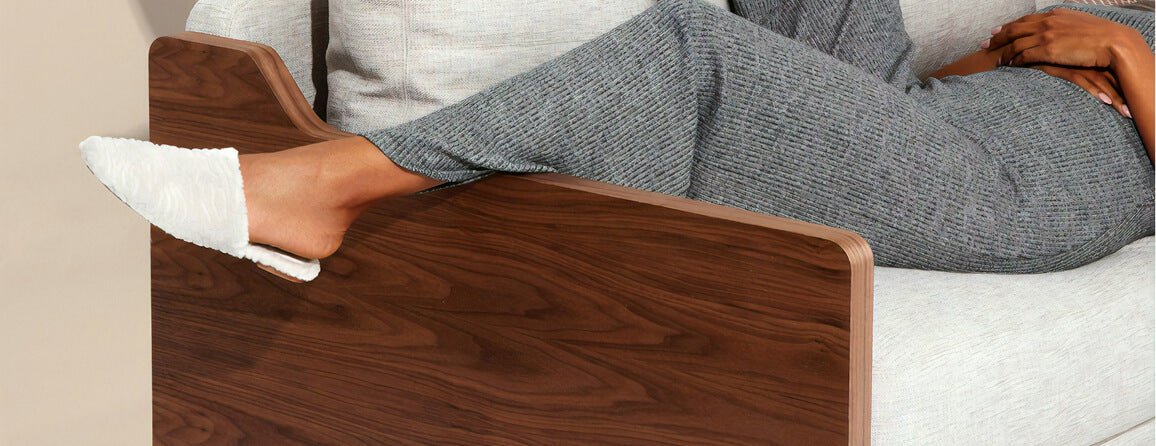
Filling density is one of the criteria to consider when choosing a sofa. Depending on your preferences, this density will ensure that the seat is as comfortable as possible. It also guarantees a certain level of quality. The cushioning in your sofa determines whether you’ll be well supported when seated or, conversely, whether you’ll sink into the seat. Along with the quality of the cushioning and the materials used in your sofa, density is a key factor in comfort that you should consider before investing in a new sofa.
Find out what the ideal filling density is for a comfortable sofa to sit on.

What is the density of a sofa?
The comfort of a sofa can be determined by two particularly important factors: its support and its density. Density refers to the firmness of the material used for the sofa’s seat and backrest. It determines whether your sofa feels firm or soft. Low density results in a seat that you sink into deeply, while high density better supports your body weight and provides a firmer seat.
Support, on the other hand, refers to the thickness of the bubbles, which give the sofa foam its elasticity. When you sit on the sofa, the level of support varies depending on the foam’s support.
What filling density should you choose for a comfortable sofa?
The minimum filling density for a comfortable sofa depends on the material used in its filling.
Filling Density of a High-Resilience Polyurethane Foam Sofa
Generally speaking, the density of a sofa’s seat cushion is often higher than that of the backrest. For your polyurethane foam sofa, it is recommended to choose a density of at least 35 kg/m³ and to opt for high-resilience polyurethane foam. This will ensure good support and a durable sofa. Below this threshold, the cushioning will be insufficient, and you’ll tend to sink into the seat. With a density lower than 35 kg/m³, not only will your comfort be suboptimal, but more importantly, your sofa will wear out quickly.
However, it is important to note that polyurethane foam, unlike natural materials, is not very environmentally friendly. Its production requires much more energy and is highly polluting. Furthermore, this material is not fire-resistant. In the event of a fire, it can therefore release highly toxic smoke.

Filling Density of a Polyether Foam Sofa
Polyether foam has the lowest density of any foam material, ranging from 16 to 25 kg/m³. This low density has two major drawbacks: your sofa is likely to lose its shape quickly, and it will provide only minimal support. Overall, it will feel like you’re sitting on a soft sofa.
This synthetic material also has a very dense honeycomb texture, which does not promote good ventilation. This makes it more prone to dirt buildup, as well as to the presence of dust mites.
Filling Density of a Natural Latex Sofa
Natural latex is a 100% natural, durable, and eco-friendly material that offers exceptional comfort. It is a high-end filling material for your sofa, and—unlike the other two materials mentioned earlier—it is safe for your health.
Natural latex is a dense material that comes in three different levels of firmness:
- a density ranging from 65 kg/m³ to 75 kg/m³, which provides soft support for the seat;
- a density of 75 to 80 kg/m³, which provides firmer support;
- a density ranging from 80 kg/m³ to 83 kg/m³, which provides very firm support.
Generally, natural latex sofas have a density of around 65 kg/m³. In addition, it’s not uncommon for the cushions to be made up of two layers of different materials to maximize your comfort. High-end, natural sofas often feature seats with a composition of natural latex on the lower layers and feathers on the upper layers. This results in a sofa that is fairly supple, comfortable, and slightly rounded in shape. This combination is ideal for achieving a good balance between firmness and suppleness.
The Shape of the Sofa Based on Its Density
As you can see, the comfort of your sofa depends largely on its filling density. However, this also affects the sofa’s appearance. The filling density, in fact, gives the sofa a look that can be more rounded, sleeker, or even more boxy.
The softer the cushioning—with a variety of foam densities—the more rounded and enveloping the sofa is. Conversely, the firmer the cushioning—with higher foam densities—the more angular the sofa’s design and the harder its seat.
Also note that, in addition to density, the sofa’s suspension system plays a key role in comfort. The term “suspension” refers to the structure that supports the sofa’s seat. This structure is most often made up of crisscrossed elastic straps, which provide excellent support. However, sometimes the suspension consists of springs. Unfortunately, these models offer less comfort.
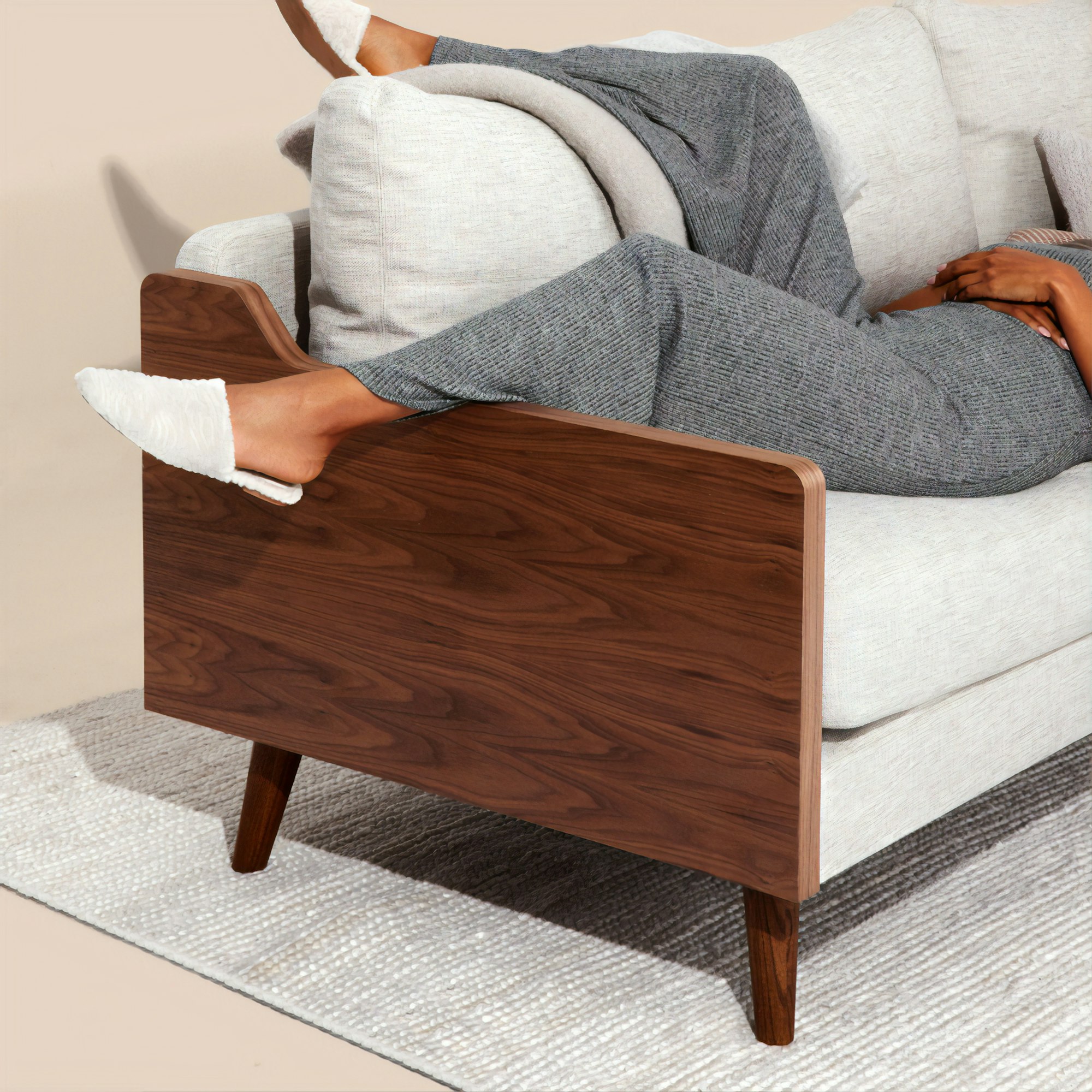
A Closer Look at the Padding of the Sofa Bed
If you’re considering a sleeper sofa, the concept of comfort is harder to define. In this case, the thickness of the seat cushion is reduced to make room for a mattress inside the sofa. The seat cushion is generally between 8 and 12 centimeters thick. Beneath it are the straps and the mattress. The support, meanwhile, is provided directly by the foam, the straps, and the mattress.
If you think you’ll only use the extra bed occasionally, we recommend choosing a sofa bed, which has thick seat cushions and a thinner mattress. If you plan to use it frequently, however, opt for a thin seat and a thick, high-quality mattress to ensure a more comfortable sleeping experience.
With a sofa bed, it’s harder to combine comfortable seating with comfortable sleeping arrangements. As a result, you’ll need to make a choice and prioritize one or the other depending on how you plan to use the piece of furniture.
How to Prevent Your Sofa from Sagging or Getting Damaged
Even if you’ve chosen the right level of firmness for your sofa, it may still sag over time. This can happen, for example, if you choose a sofa with feather filling. Even if the materials used are high-quality, the shape of the cushions can change over time from repeated use.
To restore your sofa to its full beauty, be sure to fluff the cushions once a week. This helps prevent the filling from clumping together and restores the cushions’ plumpness. Similarly, opt for sofas with removable covers whenever possible, so you can wash the covers frequently and keep your sofa looking its best for as long as possible.
In fact, even though it’s often not visible, dust accumulates on the sofa. It’s therefore important to brush it regularly to remove the dust that has built up in the fabric and could damage the upholstery.
Filling density is a key factor to consider before buying your sofa. In fact, it’s the density that determines your sofa’s comfort. So don’t leave anything to chance—carefully review the technical specifications of the model you like before checking out. Similarly, if you care about the environment and natural materials, opt for a sofa made with healthy materials, such as natural feathers, linen, or natural latex.
Discover our selection of natural sofas:
Blue Sofas - Linen Sofas - 2-Seater Sofas - 3-Seater Sofas - 4-Seater Sofas - Solid Wood Sofas - Straight Sofas - Modular Sofas - Corner Sofas - Brown Sofas - Green Sofas
We recommend these other pages: