

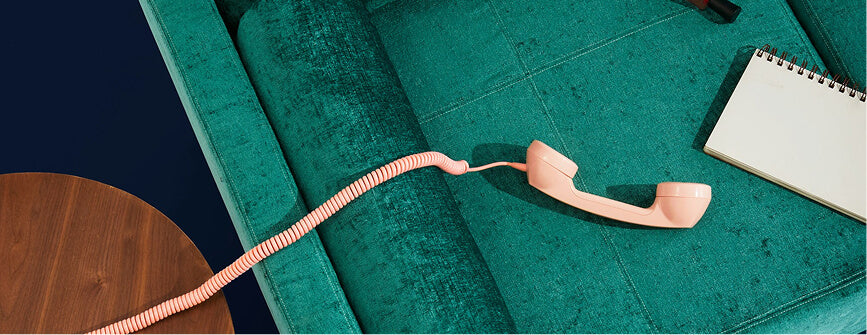
As the centerpiece of the home, the sofa is much more than just a piece of furniture—it’s where we relax and enjoy time with family and friends. Whether it’s for drinks or a TV snack, it embodies a certain lifestyle while contributing to the living room’s atmosphere. In fact, this standout piece undoubtedly sets the tone for the decor, which is why its design is often highlighted in interior design.
Choosing the right sofa, however, is no easy task. It must be suited to the space, the household’s tastes, and needs, but above all, it must provide maximum comfort—and, if possible, be as environmentally friendly as possible while also protecting the health of its owners. From shape and upholstery to filling and care, this comprehensive buying guide offers plenty of advice to help you make the right choice.
What kind of sofa should you choose to decorate your living room?
Choosing a sofa is a delicate balance between style and comfort. It must meet the household’s needs while elegantly complementing the available space in the home. Each shape is suited to specific uses, which must be clearly defined in order to make the right decision.
The straight sofa, sized to fit the room
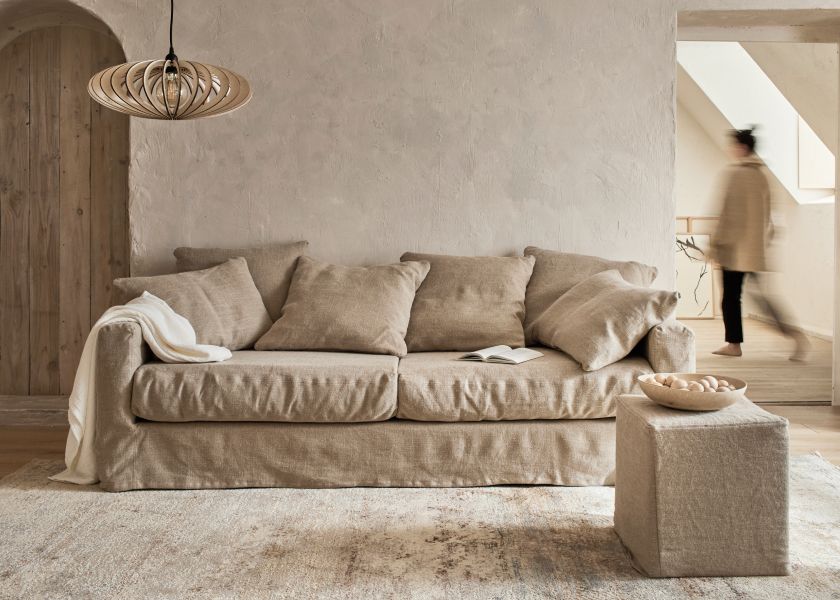
The quintessential classic, the straight sofa is a timeless staple of interior design because it has the major advantage of adapting to any type of space. For small living rooms, the size of the sofa is a key consideration. Precise measurements must be taken to ensure the sofa will be well-proportioned, especially since furniture in stores often appears smaller than it actually is. A two-seater sofa with armrests can sometimes end up looking bulkier than a three-seater sofa.
The number of people in your household is another factor to consider when choosing a sofa. When it comes to straight sofas, the selection is generally limited to 2- or 3-seaters. However, large families who want to maintain this sleek style can choose to create a set by adding multiple sofas and armchairs depending on the available space in their home.
The Corner Sofa: Quality That Promotes a Warm, Welcoming Atmosphere
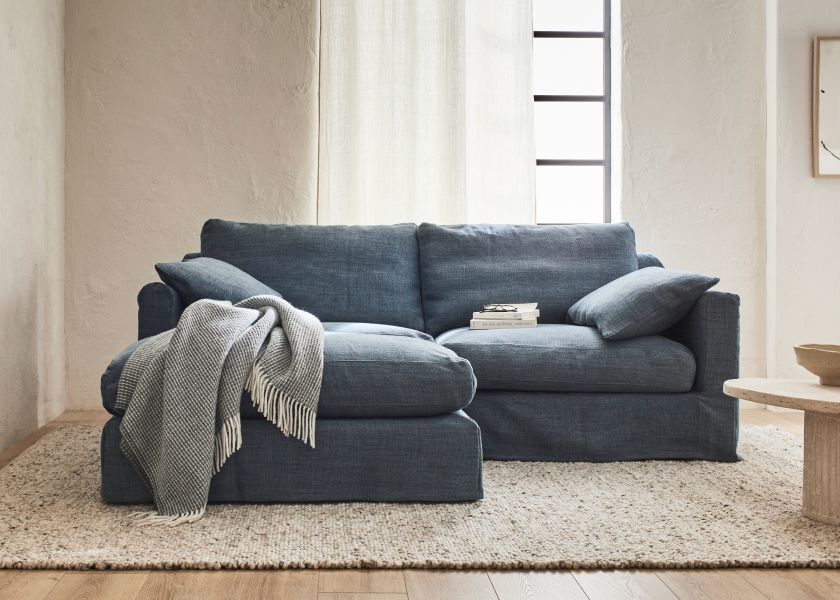
Larger than a straight sofa, the corner sofa is a versatile and functional piece of furniture that appeals to many homeowners because of its comfort. Depending on the layout of the living room, there are several options to consider, as it can include a pull-out bed as well as a number of hidden storage compartments. Some XXL models, also known as panoramic sofas, feature a U-shape rather than an L-shape, creating a sort of cocoon-like space in the living room.
A corner sofa can be chosen to fit into a corner of the living room without blocking the walkway, but also to define and delineate a spacious room. Its orientation—whether right- or left-handed—and the number of seats can be determined based on the size of the living room and the number of people in the household.
The modular sofa: a versatile and comfortable solution
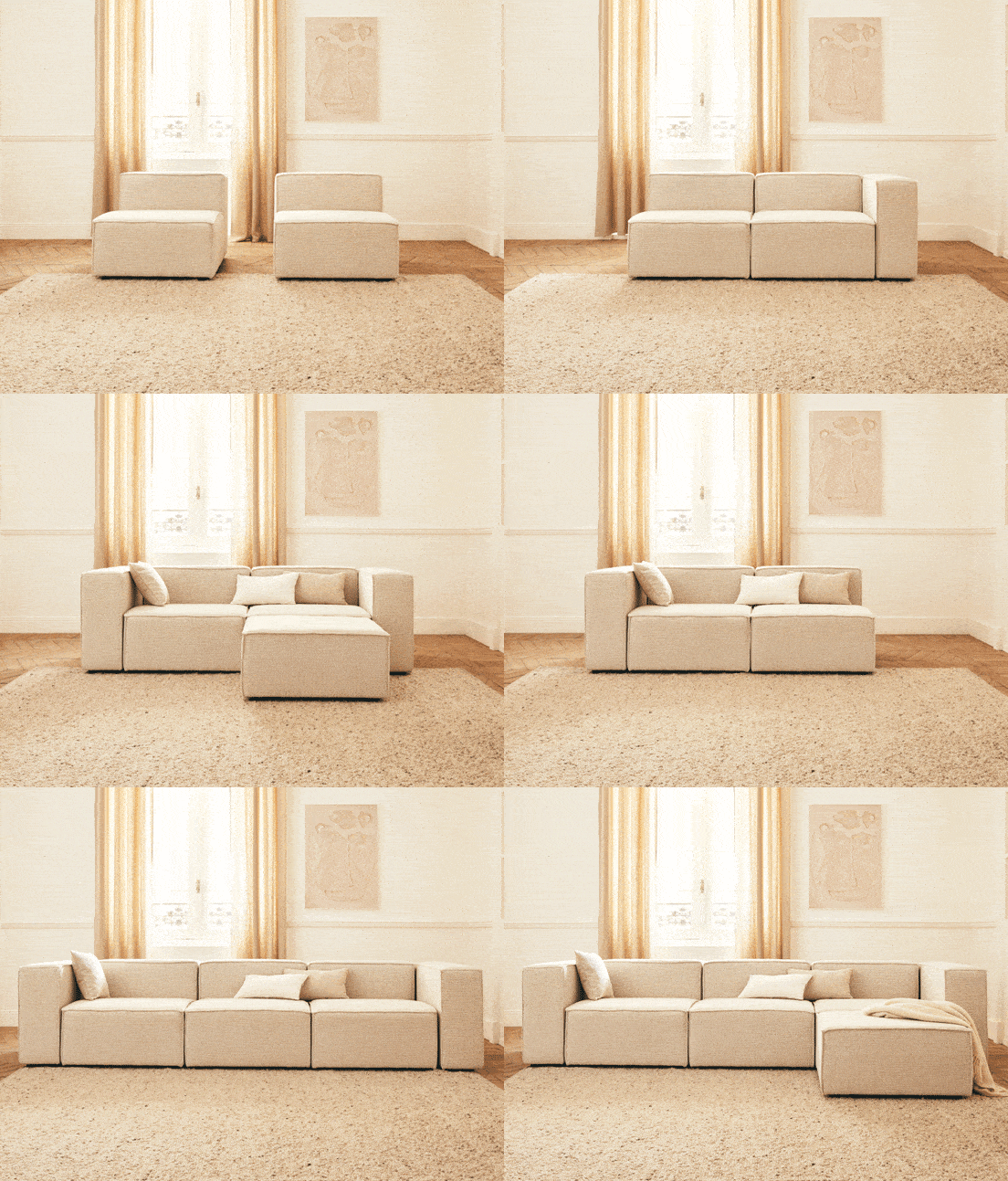
Fully customizable to suit individual tastes and needs, the modular sofa is a tailor-made solution that flexibly adapts to the demands of everyday life. The number of components and its features can be selected à la carte. Chaise lounges, corner armchairs, and other seating options can be combined or separated to offer a wide range of layout possibilities.
Ideal for people who like to change up their decor regularly, the modular sofa can adapt and evolve over time. Once reserved for large spaces and those with deep pockets, it’s now available in all sizes and at affordable prices. The mix of materials, shapes, and colors ensures a personalized and very modern living area.
Sofa bed, clic-clac, or BZ: An Overview of Convertible Sofas
A sleeper sofa maximizes space by quickly transforming the sleeping area into a living room, especially in a small space like a studio apartment. However, its great versatility means it’s not limited to student dorms. This clever 2-in-1 piece of furniture provides an extra sleeping option for hosting guests on any occasion. Its opening mechanism, however, should be chosen carefully, especially based on the available space and the desired design.
Whether it’s a click-clack sofa, a BZ sofa bed, or a pull-out sofa bed, these models are ingeniously designed to maximize space-saving and provide additional storage. Whether intended for regular or occasional use, the materials used to make them must be selected with the utmost care.
Leather or fabric—which material should you choose for your sofa's upholstery?
While a sofa’s upholstery certainly serves an aesthetic purpose, it primarily contributes to the feeling of comfort and softness experienced when touching it. The material must therefore be pleasant, elegant, and easy to care for, but it must also align with the household’s values and lifestyle. Compared to leather sofas, which are often associated with luxury, fabric models also hold their own.
Leather for her sofa: a luxurious but controversial material
Leather, a luxurious material that unmistakably evokes the refined atmosphere of English clubs, enjoys timeless popularity. This living material, renowned for its durability and ease of care, ages particularly well, developing a beautiful patina. However, its manufacturing processes are quite controversial due to the numerous chemical treatments it undergoes.
When choosing a leather sofa, it’s important to verify the origin of the hides and the conditions under which the animals were raised. Vegetable tanning should therefore be preferred over mineral tanning—in other words, chemical tanning—which is extremely polluting. Reconstituted leather sofas should be avoided in favor of full-grain, aniline, or semi-aniline leathers, which are significantly higher quality and safer. Consumers who are most concerned about animal welfare will certainly be drawn to plant-based leathers, which are beginning to sustainably realize their innovative potential.
Linen: A Durable and Environmentally Friendly Fiber
Linen, the ultimate eco-friendly material, is renowned for its exceptional qualities. It also offers numerous benefits:
- Flax cultivation requires little irrigation and no pesticides;
- France is the world's largest producer of flax, which significantly reduces its carbon footprint;
- Linen feels cool in the summer and warm in the winter;
- Linen has anti-allergic and antibacterial properties;
- Linen accumulates very little dust and bacteria;
- The strong fibers in linen are particularly tear-resistant and retain their shape perfectly even after repeated washings.
Naturally chic and elegant, linen brings an authentic sense of simplicity to a living room. Long reserved for prestigious interiors, it is now all the rage in home decor. Its crinkled look suits any interior, though it’s particularly well-suited to country, Scandinavian, and bohemian styles.
Cotton: Good Value for the Money
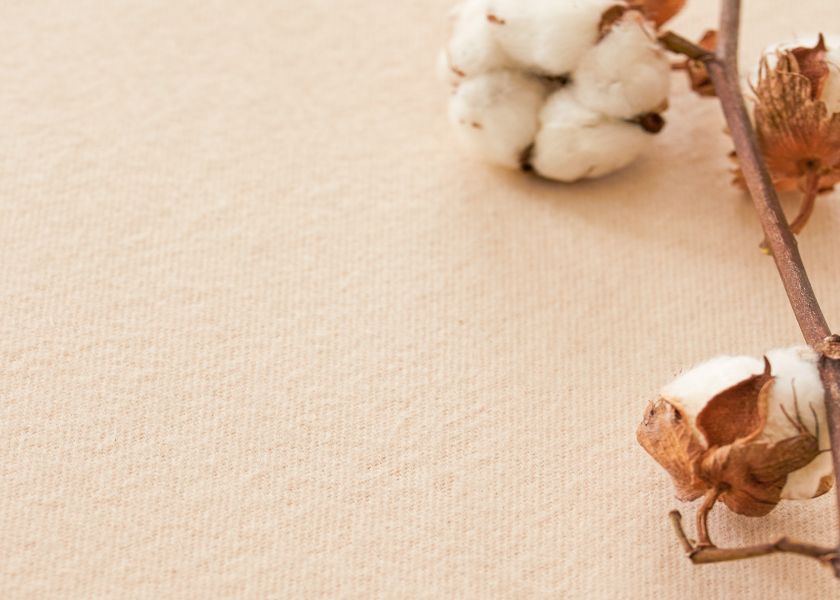
Cotton is the most common natural fiber used in sofa upholstery, thanks to its attractive price and wide variety of colors and patterns. While this fabric is known for being soft and pleasing to both the eye and the touch, it does have a few drawbacks. Since it is prone to absorbing odors and stains, it may not be the best choice for households with children or pets.
Conventional cotton farming is very water-intensive, and the textile industry uses chemicals liberally to treat and dye it. A 100% organic cotton sofa is therefore the better choice for both environmental and health reasons.
Velvet for a chic, silky look
Velvet is making a major comeback in sofa design, thanks to its elegant look and cozy feel. Available in a wide range of colors, this fabric is created through a special weaving process using wool, cotton, or silk. The result is a lustrous fabric that is very soft and plush to the touch, subtly reflecting light. It can also be made from synthetic fibers such as viscose.
A velvet sofa is certainly a very glamorous piece of furniture, but it requires regular care. Its composition should therefore be chosen with care, giving preference, for example, to natural fibers.
Wool: A Warm and Comfortable Fabric
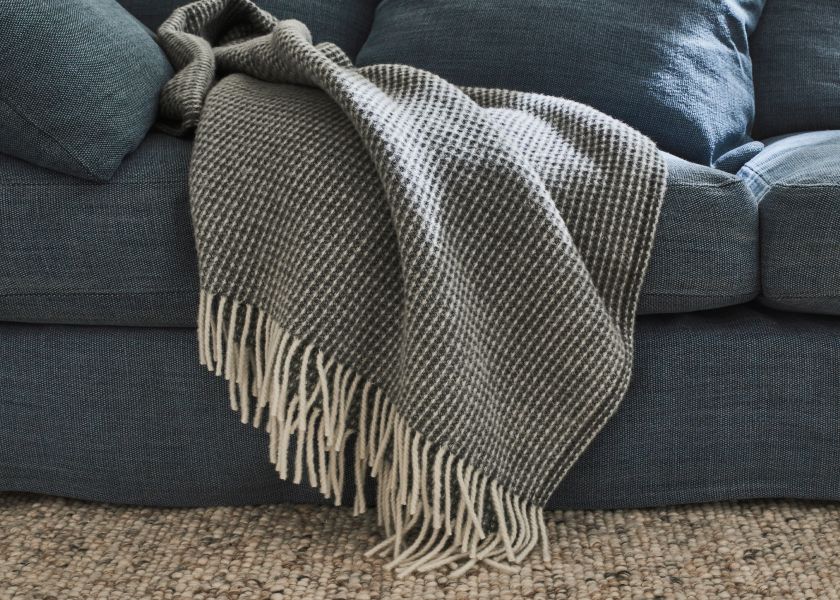
Wool is a rather unusual choice for a sofa upholstery. Its use as a furniture fabric is particularly rare, which adds a touch of luxury to this material known for its warmth. A wool sofa is, however, very comfortable and inviting.
Wool’s water-repellent properties prevent liquids from soaking into the fiber, making it much easier to care for on a daily basis. The main drawback of this material, however, is its tendency to lose its shape. Choosing a wool-cotton blend is an excellent way to address this issue, resulting in a fabric that is both durable and natural.
Modal, viscose, and microfibers: synthetic sofa upholstery fabrics
Synthetic materials are found in abundance in furniture, and sofa upholstery, unfortunately, is no exception. In this era of global warming, their particularly polluting production methods and the large amount of waste they generate raise serious concerns.
A product of the petrochemical industry, microfiber is appealing for its peach-fuzz-like texture, its water resistance, and its resistance to stains and scratches. It’s important to note that it’s made of polyester, polyamide, polyurethane, or acrylic. Its production therefore requires a significant amount of fossil fuels and water. When washed in a washing machine, microfiber covers release thousands of microparticles that contribute to ocean pollution.
So beware of greenwashing , because even though they tout their natural origins, modal and viscose are just as questionable as microfiber. While these materials are indeed made from cellulose derived from bamboo, beech, or eucalyptus, they undergo numerous toxic and polluting chemical treatments before being used in sofas.
How do you choose the right filling for your sofa?
To choose your future sofa the right way, you should carefully consider the upholstery materials used. These materials are what provide seating comfort and ensure optimal durability.
Foam Filling: When Synthetics Rule the Roost
Let's not kid ourselves: the vast majority of sofas are filled with foam, and that's a real shame. Synthetic materials cause significant environmental damage and can even be harmful to health because of the pollutants they release into the air.
There are three types of foam with varying densities, offering equally varied levels of comfort:
- polyether foam, which is very soft and not very durable; it is not recommended for use as sofa filling because it provides little support and loses its shape quickly;
- polyurethane foam, which is more durable than polyether, a padding material commonly used in sofas that provides a fairly soft seating surface;
- memory foam, which has a significantly longer lifespan thanks to this innovative technology, in addition to offering a good balance between softness and firmness.
Natural latex: a high-quality, comfortable, and eco-friendly material
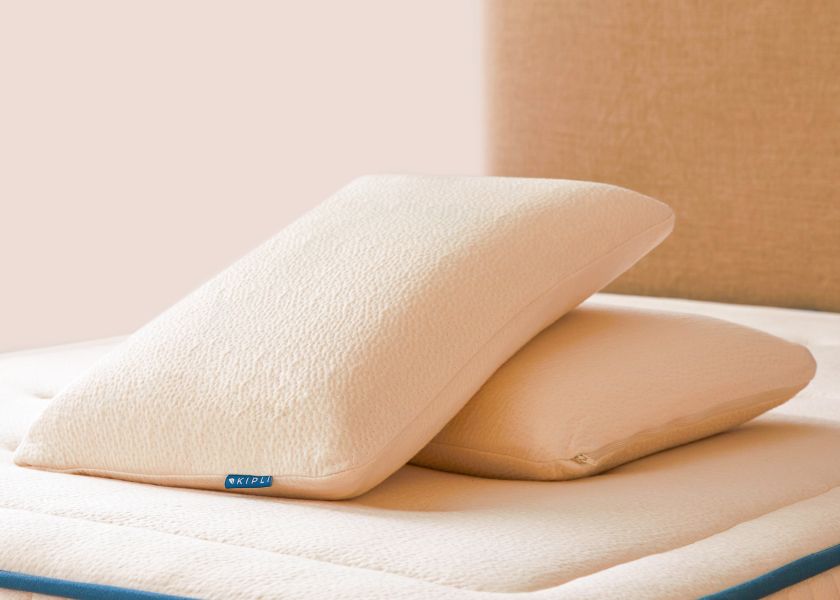
A natural material known for its plush comfort, natural latex is a sofa-padding solution that is both health-conscious and environmentally friendly. The premium comfort it provides is every bit as good as that of petrochemical-based products—if not better. With its high elasticity, it offers comfortable support and excellent durability over time. Its optimal breathability effectively combats dust mites. It is also hypoallergenic, antibacterial, and mold-resistant.
Be careful not to confuse natural latex with synthetic latex. In fact, this inferior substitute—made primarily of harmful chemicals—is of poor quality. The durability of this material is significantly compromised by its photosensitivity. It is also much less comfortable than natural latex.
Feather filling for a cozy and luxurious sofa
Warm, soft, and fluffy, feathers have plenty to offer to appeal to those who love softness and comfort. They provide a highly flexible seating surface without losing their shape over time. In fact, their lifespan far exceeds that of synthetic materials. Naturally thermoregulatory, they stay cool in the summer and retain exceptional warmth in the winter.
However, down is a very expensive sofa filling material that also requires careful maintenance to prevent it from losing its loft. Since this material is of animal origin, don’t hesitate to ask about the welfare standards at the farms where it is sourced.
How can you keep your sofa looking good over time?
Regular maintenance of your sofa ensures it lasts longer, regardless of its shape or the materials it’s made of. While leather needs to be conditioned from time to time, fabric sofas should be vacuumed almost daily to remove dust and dust mites from the fibers. For example, a sofa with removable covers is preferable to make machine washing easier. However, the manufacturer’s recommendations should always be followed exactly to avoid damaging the fabric.
Before buying a sofa, it’s best to carefully check the manufacturer’s label to ensure that it meets European standards. The CE mark is required, and it may be accompanied by several other certifications , such as the NF furniture certification, which serves as an additional guarantee of quality.
Discover our selection of natural sofas:
Blue Sofas - Linen Sofas - 2-Seater Sofas - 3-Seater Sofas - 4-Seater Sofas - Solid Wood Sofas - Straight Sofas - Convertible Sofas - Modular Sofas - Corner Sofas - Brown Sofas - Green Sofas