

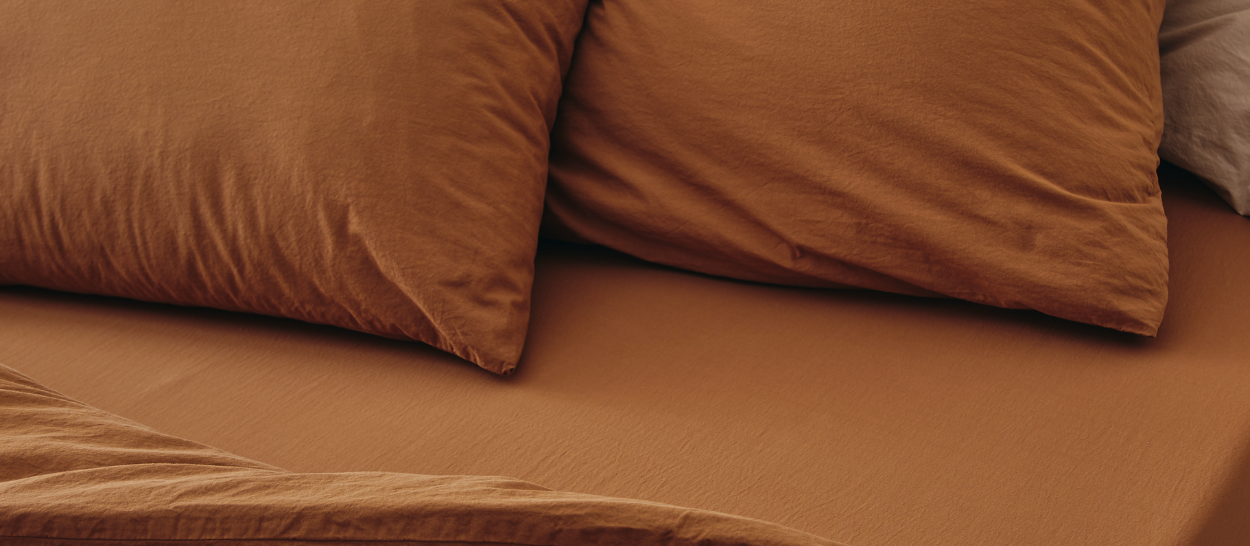
When the nights get cooler, our bed becomes an essential refuge. But to keep it welcoming, cozy, and healthy without overheating, you don’t have to change everything. A few simple steps can help you adapt your bedding for the cold season, while prioritizing natural, breathable, and eco-friendly materials.
Interactive Table of Contents
To help you prepare your bedding for winter:
Find out why replacing your duvet cover improves warmth and comfort
Understand how changing or adding layers to your duvet optimizes temperature regulation
Learn the importanceof adding a mattress topper to enhance insulation and softness
Review yourpillow choice for proper and comfortable support
1. Replace the cover with one made of denser materials

In winter, the lightweight or very thin covers used in summer can let in the cold and make you feel less comfortable. Opt for thicker organic cotton covers or washed linen covers, which provide softness, warmth, and breathability.
These natural materials regulate moisture and prevent the “cold bed” effect when in contact with the skin. Natural fibers are soft, breathable, and durable, contributing to healthy, restful sleep.
At Kipli:
2. Change your comforter or make it thicker

A mid-season comforter is suitable through the fall, but starting in November, true thermal comfort becomes essential. You have two options:
- Moderate-weight comforter, rating 4 or 5, ideal for cool bedrooms
- 4-season comforter, adjustable using clips or a double layer
Natural comforters, made from wood fibers and organic cotton, provide warmth, lightness, and breathability, ensuring a restful and deep sleep throughout the night.
At Kipli:
Duvet Heat Index:
Fall: rating 2-3
Winter: rating 4-5
All four seasons: adjustable to suit your needs
3. Add a mattress topper for insulation
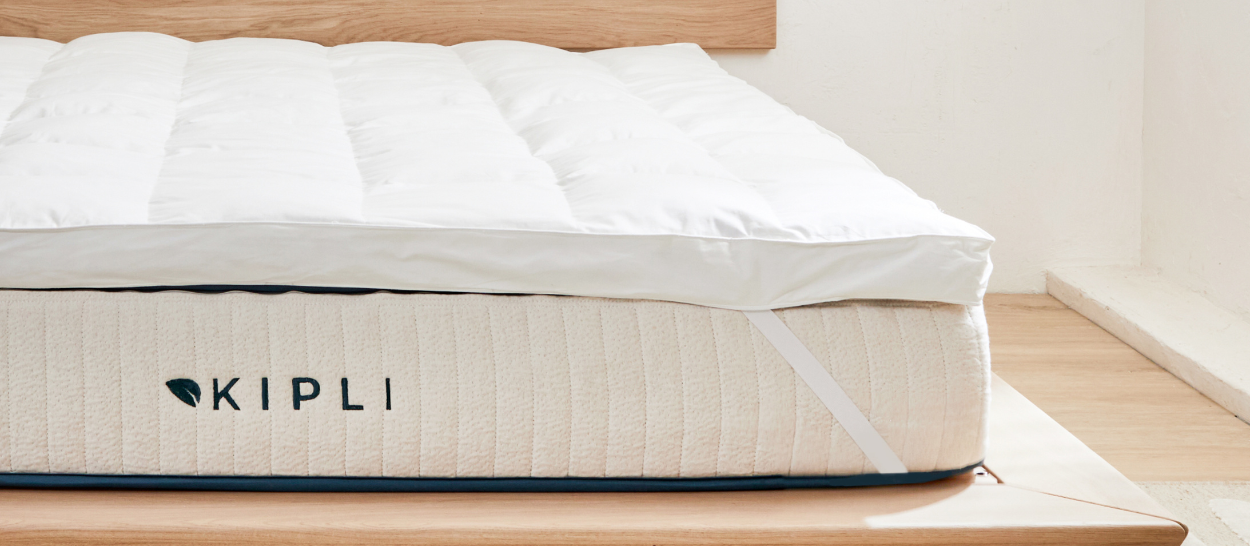
Although often overlooked, a mattress topper plays a key role in reducing the feeling of cold coming from the mattress. It also adds softness and improves support, without the need to replace the mattress.
Kipli's natural mattress toppers, made of 100% natural latex or down, combine insulation and breathability, ensuring optimal thermal comfort for winter.
At Kipli, we offer:
A mattress topper enhances insulation and softness without replacing the mattress, while also extending its lifespan.
4. Check the pillow and protect it

In winter, the neck and back of the neck are more sensitive to the cold. A pillow that’s too thin or too cold can cause discomfort and disrupt sleep. Choose a breathable pillow with a washable pillowcase to stay warm and dry.
At Kipli:
- Natural Latex Pillows
- 100% Natural Pillows
- Feather and Down Pillow
- Ergonomic pillow made of natural latex
- Square Natural Latex Pillow
Natural latex pillows regulate temperature and maintain their support even under a thick pillowcase, ensuring optimal comfort throughout the night.
Kipli Tip: Choose Bedding That's Right for the Season

Combining a breathable mattress, a suitable natural comforter, an insulating mattress topper, and a latex pillow ensures optimal comfort for deep, restful sleep—even during the coldest months. These simple, natural, and sustainable steps will transform your bed into a true winter cocoon.