


You’re too hot in the summer and too cold in the winter… and yet, you’ve been using the same mattress for years.
Thermal comfort doesn’t depend solely on your comforter: it’s directly linked to your mattress’s breathability,insulation, and material.
Choosing the right mattress or adding natural elements to your bedding can significantly improve your sleep quality and reduce nighttime awakenings caused by temperature fluctuations.
Table of Contents
To learn how to sleep better no matter the season, check out the sections below:
- Find out why a mattress's breathability is essential in the summer
- Learn how to keep your home warm in winter with soft, natural insulation
- Find out which Kipli mattresses are right for your needs
- Check out our tips for optimal comfort all year round
- Explore our related articles and guides
When the mattress gets too hot: prioritize breathability
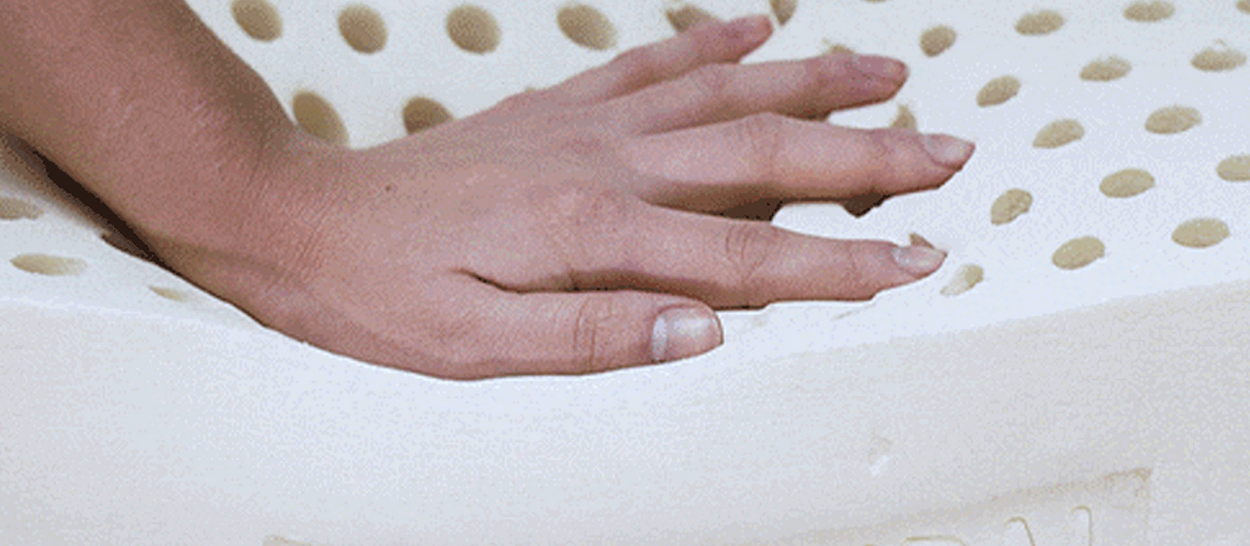
Synthetic foam and memory foam mattresses tend to trap body heat.
In the summer, or for sleepers who sweat easily, this accumulated heat can make it difficult to fall asleep and disrupt sleep.
Mattresses with internal air pockets promote air circulation, reducing the feeling of heat.
Natural materials, such as Kipli’s 100% natural latex, regulate temperature and help keep the body cool.
A soft, breathable organic cotton cover enhances comfort and prevents the stuffy feeling associated with synthetic materials.
Why Breathability Is Essential for Restful Sleep
- Regulates body temperature
- Reduces sweating and nighttime discomfort
- Helps you fall asleep quickly
- Improves the quality and continuity of sleep cycles
Thus, breathability is directly linked to physical and mental recovery, ensuring truly restful nights.
When the mattress feels too cold: look for soft insulation
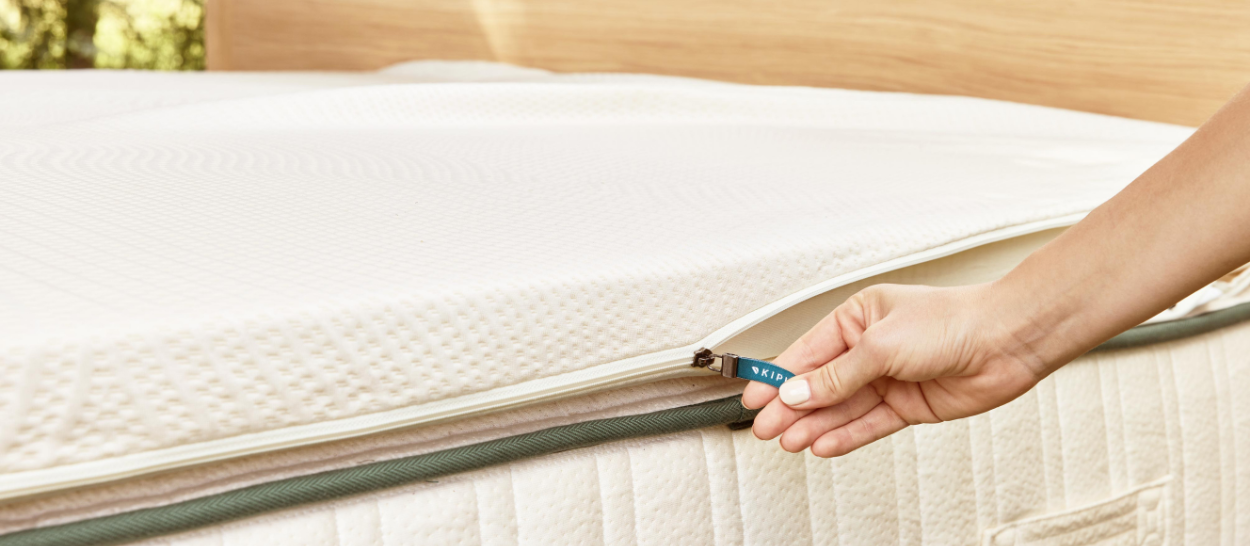
In winter, especially in rooms that aren’t very warm, some spring mattresses or those made of low-density materials can feel cold.
This sensation isn’t solely due to the comforter: air also circulates beneath the body.
To address this, choose a mattress with a dense, uniform core that can limit airflow and retain natural body heat.
Soft yet insulating materials, such as natural latex or plant-based fibers, offer optimal thermal comfort.
Adding a natural mattress topper creates a temperature-regulating intermediate layer, perfect for adapting the mattress to seasonal changes.
The Importance of Insulation for Optimal Nighttime Comfort
- Maintains a stable temperature around the body
- Reduces waking up due to the cold
- Promotes deeper, more continuous sleep cycles
This soft insulation significantly improves the quality of rest during the coldest months, promoting restful and consistent sleep.
At Kipli, which mattresses should you choose based on your needs?
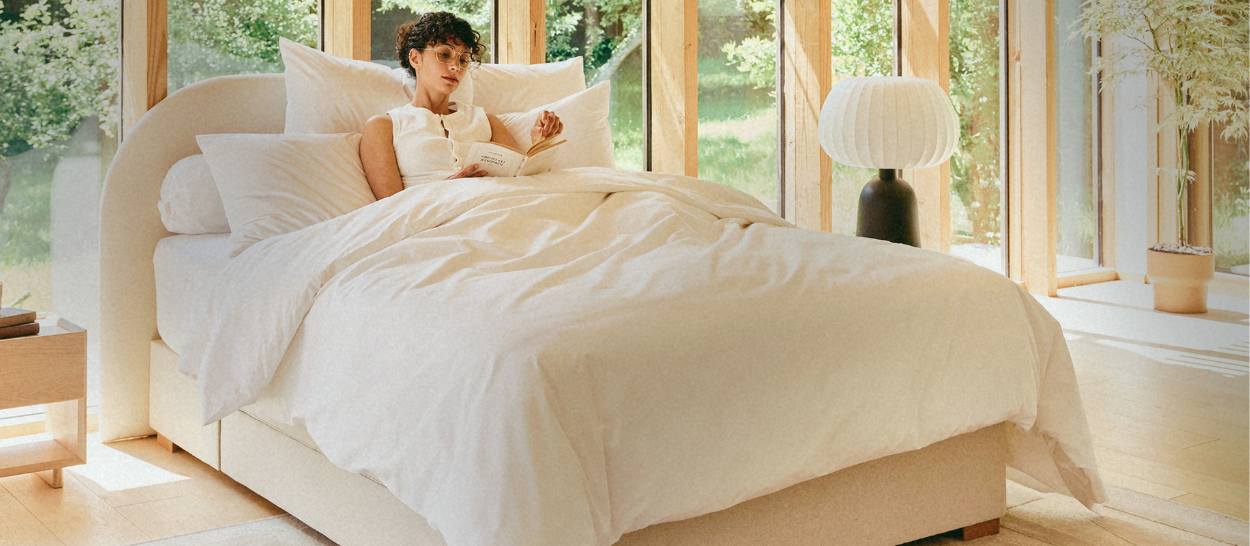
- Hybrid+ Mattress: ideal for couples, with excellent sleep independence and good temperature regulation even in hot weather
- Kipli Latex Mattress: features two sides—one softer, the other firmer—to tailor comfort and temperature regulation to your needs
- Prestige Mattress: superior comfort thanks to its built-in, breathable mattress topper—made without foam or glue—that adapts perfectly to temperature changes
How to Choose the Mattress That Best Suits Your Lifestyle
The choice depends on:
- Your sensitivity to heat or cold
- Your Sleep Habits
- Your Room's Environment
Choosing natural, breathable materials ensures optimal comfort year-round and a healthier sleep.
Kipli's Tip for Optimal Comfort All Year Round
Adapting your bedding to the season is the key to deep, restful sleep.
Combining a breathable mattress with natural bedding promotes:
- Thermal Regulation
- Reducing nighttime awakenings caused by heat or cold
- Better overall sleep quality
This simple, natural combination lets you fully enjoy restful nights, no matter the season.
Our Additional Articles and Guides
To learn more and discover our eco-friendly solutions: