


As the days grow shorter and the cold sets in, our pace naturally slows down. In winter, daylight is scarce, evenings drag on, and our bodies seem to crave more rest. But do we really need to sleep longer in winter? Between biological need and natural adaptation, let’s explore how to adjust our sleep patterns to the seasons.
Interactive Table of Contents
- Sleep: A Rhythm Influenced by the Seasons
- Sleeping Longer in Winter: Myth or Necessity?
- Create a cozy space for winter sleep
- How to Sleep Well in Winter Without Oversleeping
- Conclusion: Listening to nature is like listening to your own sleep
Sleep: A Rhythm Influenced by the Seasons
Light and Melatonin: Why We Sleep Differently in Winter
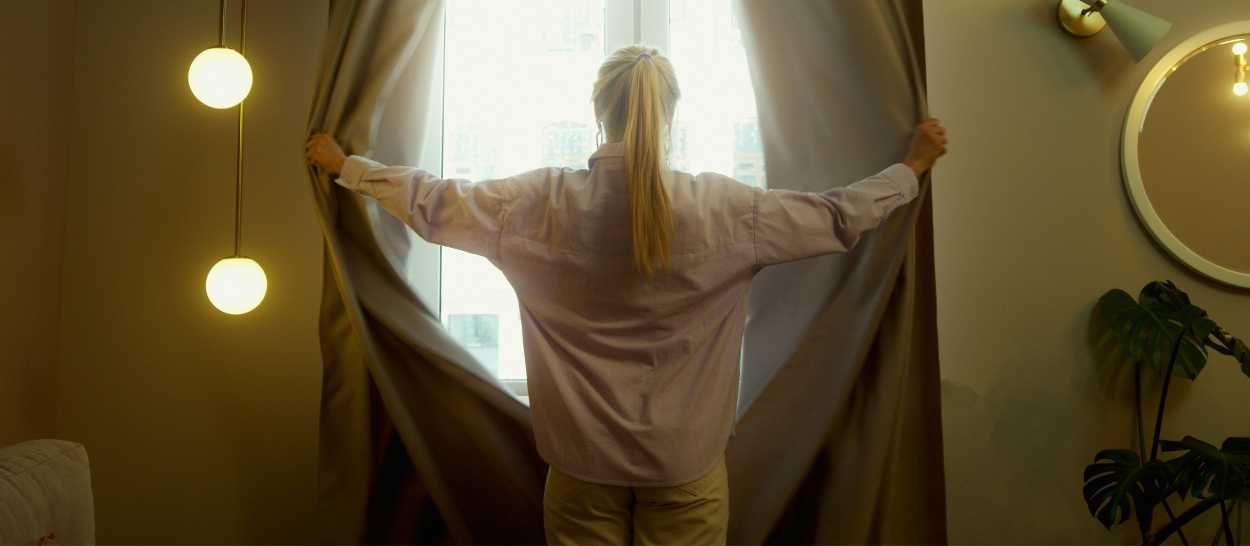
Our biological clock is closely linked to daylight. In winter, the decrease in light stimulates the production ofmelatonin, the sleep hormone. As a result, we often feel tired earlier in the evening. This phenomenon reflects our body’s natural adaptation to seasonal rhythms.
Temperature, Comfort, and the Need for Recovery
Cold weather also affects our sleep. An overly heated bedroom makes it harder to fall asleep, while a slightly cool environment promotes deeper sleep. Winter is the perfect time toseek out natural warmth—without overdoing it—andto create a cozy haven for the night.
Sleeping Longer in Winter: Myth or Necessity?

What Science Says About Seasonal Sleep
Studies show that in winter, we sleep an averageof 20 to 40 minutes longereachnight. This is a natural adaptation to the decrease in daylight and activity. Our bodies simply need a little more rest to compensate for the lack of energy associated with the cold season.
Listen to your body and your internal clock
Rather than trying to find the “ideal” number of hours, it’s essential to listen to your body’s signals: the urge to go to bed earlier, the need for a gentler wake-up… Sleeping in the winter meansfalling in step with nature’s rhythm, without pressure or guilt.
Create a cozy space for winter sleep

The bedroom, a natural refuge from the cold
To sleep well in winter, nothing beats a healthy and soothing environment. A temperature of around18°C,natural bedding, andwell-ventilated air promote deep sleep. Breathable materials such asnatural latexororganic cottonhelp reducesweating and nighttime awakenings.
Choosing a Mattress Suitable for Winter and Summer
A good mattress helps maintain a balanced temperature throughout the seasons. AtKipli, two models stand out for being reversible, making them ideal for adapting to the climate:
- The Kipli 100% natural latex mattress: reversible with two sides (summer and winter), made of natural latex and featuring a cover made of organic cotton and Tencel®. Free of synthetic foam and chemical treatments, it offers lasting, healthy comfort.
- The Kipli pocket-spring mattress—Ultime+ version: also reversible, it combines firm comfort (8/10) with a top layer of FSC®-certified natural latex.
These breathable, natural materials ensure anideal temperature year-round, promoting balanced, body-friendly sleep.
How to Sleep Well in Winter Without Sleeping “Too Much”

Finding Your Balance
Sleeping more doesn't necessarily mean sleeping better. What matters is thequality of your sleep. If you're feeling tired, listen to your body, but maintain a regular sleep schedule. Short naps can also help make up for a lack of natural light.
Natural Tips for Falling Asleep More Easily
- A light, hot dinner
- Avoid screens before bedtime
- Choose soft lighting or a lamp with a natural spectrum
- Practice some calm breathing or do a few stretches
These small actions helpprepare the body for rest, while respecting its seasonal needs.
Conclusion: Listening to nature is like listening to your own sleep
Winter is a season of introspection, a time to slow down and recharge. Sleeping more—or simply sleeping differently—is part of this natural cycle. By choosingnatural Kipli beddingandcreating a soothing environment, we honor the connection betweenthe body, nature, and rest—a philosophy that Kipli embodies every day.