


Guide to Choosing Kitchen Curtains
The kitchen is a room that requires careful consideration of many elements. Beyond appliances, storage, countertops, and the room’s color scheme, you also need to think about kitchen curtains. Some people say they can do without them, but kitchen curtains are a small detail that can transform a space. While they serve an aesthetic purpose, they also provide protection from the sun and privacy.
There are many styles and designs to choose from, which can make the process complicated. So, how do you choose the right curtains? This guide outlines the steps to follow to find curtains that suit your kitchen and your needs.
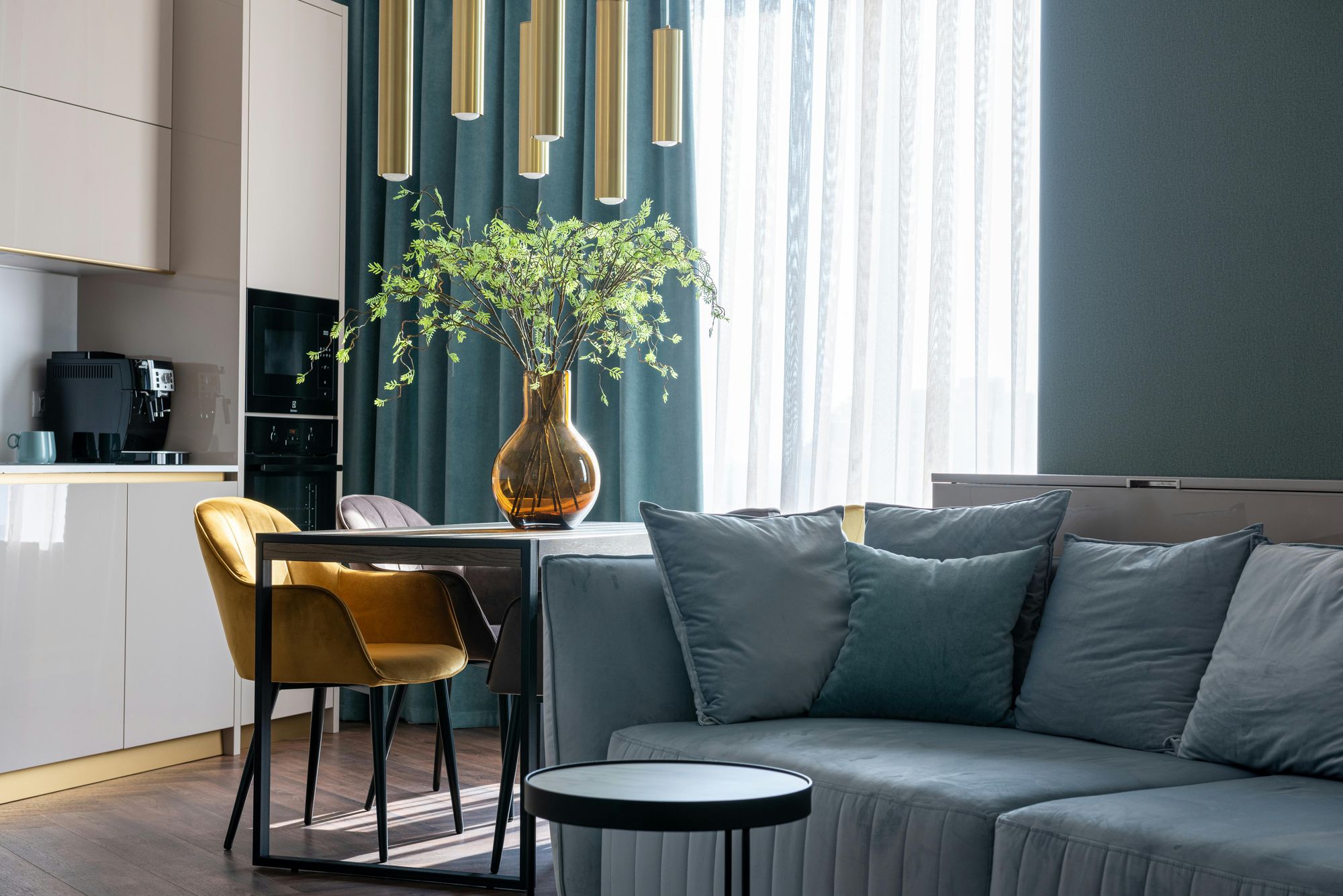
Choosing Kitchen Curtains: Key Considerations
Kitchen curtains are exposed to all kinds of wear and tear: smoke, odors, splatters, grease, and more. They must therefore be chosen with care. Selecting the right curtains for your kitchen can be a tricky task. Manufacturers offer a wide variety of curtains in different shapes, sizes, colors, and styles, and it’s easy to get overwhelmed. When choosing kitchen curtains, it’s advisable to pay attention to certain key factors. These include:
- the type of fabric;
- color, such as classic white kitchen curtains or colorful curtains;
- its purpose, such as simple decoration, privacy protection, etc.
The key is to always keep in mind the balance between comfort and functionality.
The Different Types of Kitchen Curtains
The style of the curtains can also be chosen based on functionality. Kitchens can have different types of windows: from small ones above the sink to larger picture windows. There are therefore several styles of kitchen curtains:
- Classic curtains, which , as the name suggests, are the curtains we’re all familiar with and that adorn our large windows and picture windows. They’re hung on a rod and fall all the way to the floor;
- pointed sheer curtains, which are the kind found on small kitchen windows and end in a triangular point;
- sheer curtains, which come in various shapes and sizes. They cover only part of the window and let light in while providing privacy from outside view. The top part is often made of lace, and they are easy to machine-wash;
- "Bonne femme" curtains, which are classic curtains that can be described as double curtains. They come in pairs and do not cover the entire surface of the windows.
Sheer curtains are a good option if you want to dress up your windows without blocking out natural light. They’re already very common in living rooms and bedrooms, but they also work very well in kitchens.
What kind of fabric should I use for kitchen curtains?
When choosing kitchen curtains, it’s important to select the fabric and style that best suit the room visually, but they must also meet your specific needs. Will the curtains be used solely for decoration? Or will they also serve to provide privacy?
- Polyester is often chosen for kitchen curtains, particularly because it is very durable. Its main advantages are that it is easy to care for and is one of the least expensive curtain fabrics. However, it is a material made from synthetic fibers, and as such, it has many drawbacks for both people and the planet. It also contains a number of chemicals that can have a harmful effect on health and well-being;
- Linen is the ideal material for combining both. This fabric isn’t completely blackout, but it can provide privacy and protect against heat and cold while letting in as much light as possible. Linen curtains are unlikely to lose their shape over time and are easy to care for: they’re a durable and eco-friendly choice that creates a simple, natural look;
- Fabrics such as satin and silk should be avoided in the kitchen because they are harder to care for.
It’s important to keep in mind the grease and smoke in the kitchen, as well as the odors that can soak into the fabric. Therefore, it’s best to choose curtains that are easy to machine-wash. With that in mind, you’ll want to look for a fairly lightweight fabric.
Curtain colors and patterns that match your kitchen
The kitchen’s style and colors will help determine the color scheme for the curtains. If the kitchen already has a specific color scheme, be sure to incorporate the curtains in a way that blends harmoniously. In this case, the best approach is to coordinate the curtains with other elements, such as the furniture, the countertop, or other decorative pieces. If it’s an open-concept kitchen, you can also create a color accent with the sofa cushions, for example. In long, narrow kitchens with low ceilings, it’s not a good idea to choose curtains in bright colors. They may make the kitchen feel even narrower and reduce the amount of natural light. To maximize brightness, it’s always best to opt for light colors.
As for curtain patterns, it also depends on the atmosphere you want to create in the kitchen. Stripes, flowers, checks, geometric shapes, and more—there are many options on the market to help you add the finishing touch you’re looking for, whether you’re going for a modern, artistic, or retro style.
Choosing Kitchen Blinds
Curtains aren't the only option for covering a window. In fact, blinds can also be a good choice for the kitchen. Not only do they take up very little space, but you can also adjust their height and the amount of light they let in as needed. There are various types available, including:
- Venetian blinds, which allow you to control natural light and are easy to maintain;
- the Roman shade;
- the roller shade.
Aside from ensuring it complements the existing decor, the final choice is, of course, a matter of personal taste.
We recommend these other pages:
- What kind of curtains should you choose for your living room?
- What kind of curtains should you choose for your bedroom?
- What kind of curtains should you choose for your bathroom?
- What kind of curtains should you choose for a child's bedroom?
- How to Choose White Curtains?
- How do you choose the color of your curtains?