


By the Kipli team, specialists in natural materials for the home since 2018.
You spend seven to eight hours a night in your bedroom breathing the indoor air around you. This air is not neutral. Its quality depends directly on the materials used in every piece of furniture, every floor, and every bedding item in the room. A synthetic foam mattress, a piece of furniture made of particleboard, or laminate flooring emit harmful substances that sleepers breathe in all night long, with the windows closed. Solid wood, on the other hand, behaves differently, and this difference has a tangible and well-documented impact on the healthy environment of your bedroom.
The furniture you choose determines the quality of the air you breathe

According to ADEME, indoor air quality is, on average, two to five times worse than outdoor air quality. In a bedroom, sources of indoor pollution come mainly from building and finishing materials: particleboard, MDF, polyurethane foam, and laminate flooring. These materials release volatile organic compounds (VOCs)—such as formaldehyde, benzene, and acetaldehyde—into the indoor environment for months, sometimes even years.
Most of these pollutants are odorless, or give off only a faint chemical odor when unpacked. Their VOC concentration in a poorly ventilated room gradually increases over the course of several hours. Every night, with the windows closed, the occupants of the room breathe this indoor air. Over several years, cumulative exposure to these pollutants poses a health risk that regulations are only now beginning to address seriously.
Key Point: Formaldehyde released from the adhesives in particleboard is classified as a Category 1 carcinogen by the International Agency for Research on Cancer (IARC). It causes respiratory tract irritation and headaches in occupants and, over the long term, contributes to a measurable decline in daily health. In modern, well-insulated, and poorly ventilated buildings, its concentration can reach significant levels.
Healthy Solid Wood and Air Quality: What Science Tells Us

Regulating Humidity: Natural Hygroscopicity
Solid wood is an absorbent material. It naturally interacts with the water vapor in the indoor environment—this is known as hygroscopicity. When the humidity in a room is too high, the wood absorbs the excess vapor. When the air is too dry, it releases moisture. This ability to naturally regulate humidity contributes to a more balanced indoor environment and reduces conditions conducive to the growth of mold and dust mites—two major sources of respiratory irritation and allergies. This is the opposite of MDF furniture or laminate flooring, which have no positive impact on indoor humidity.
VOC concentration close to zero
Solid wood that is untreated or treated with natural products emits virtually no volatile organic compounds. This is a fundamental difference from engineered materials: wood furniture made from particleboard uses urea-formaldehyde adhesives that release harmful substances into indoor air for several years. Solid wood furniture made without synthetic adhesives has emission levels close to zero. Solid wood has a twofold positive impact on indoor air quality: it does not emit harmful substances and actively regulates humidity.
Natural aromas: a positive, soothing effect
Pine, cedar, fir, and other softwoods release terpenes—natural aromatic compounds responsible for the characteristic scent of forests. Japanese studies on forest bathing (shinrin-yoku) have shown that exposure to terpenes reduces cortisol levels, lowers heart rate, and promotes physiological well-being. A pine floor, a piece of solid oak furniture, or a beech bed releases a tiny amount of these compounds into the room’s atmosphere, creating a soothing ambiance that has a real—albeit subtle—positive impact on health and nighttime well-being.
What Makes Wooden Furniture Harmful: Treatments
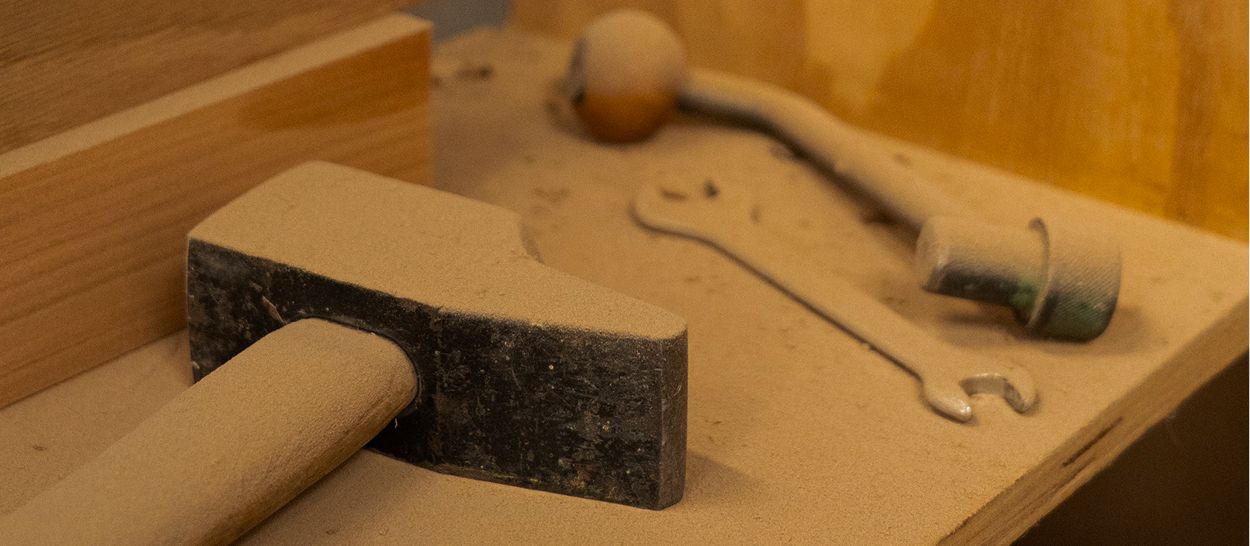
Not all solid wood furniture is created equal. Some surface treatments negate many of the material's natural benefits, and it is important to identify them when purchasing furniture.
Polyurethane varnish
This is the most common treatment used on solid wood furniture sold in big-box stores. It forms a waterproof barrier that eliminates the wood’s natural hygroscopicity and releases aromatic solvents (toluene, xylene) into indoor air for the first few weeks to several months. A varnished solid wood piece of furniture can be just as harmful to indoor air quality as an MDF piece during its off-gassing period.
Synthetic Adhesives for Assembly
Even when made of solid wood, some pieces of furniture use polyvinyl or epoxy adhesives in their joints—compounds that can release toxic substances even in low concentrations. Make sure the furniture you choose is assembled mechanically (with dowels or mortise-and-tenon joints) or with natural adhesives made from casein or starch.
For a healthier indoor environment, choose furniture made of untreated wood, or wood treated with vegetable oil, natural wax, or A+-certified water-based paint. These environmentally friendly finishes preserve the wood’s breathable properties without introducing new sources of indoor pollution.
Solid Wood vs. Engineered Wood: The Impact on a Home

Healthy solid wood
- VOC emissions close to zero
- Naturally regulates humidity
- Releases soothing terpenes
- Durability spanning several decades
- Renewable and traceable material
- Formaldehyde-free and glue-free
- Environmentally Friendly and Responsible
Reconstituted materials
- Release formaldehyde for years
- No humidity control
- Contribute to the pollutants present
- Degrade within 5 to 10 years
- Non-renewable resin-based material
- Adhesives = a chronic source of VOCs
- Long-term health risk
In a bedroom with an MDF bed, laminate flooring, and a particleboard closet, nighttime VOC concentrations can reach levels significantly higher than the thresholds recommended by ANSES, particularly during hot weather when emissions increase. In a bedroom with a solid oak bed, oiled solid wood flooring, and environmentally friendly furniture, VOC concentrations remain close to zero, and the indoor air quality is that of a healthy home.
What You Need to Know About the Limits When Buying Furniture Wisely
A thorough article on the impact of solid wood on health and well-being must acknowledge its limitations.
People with terpene allergies may react to the scents of certain resinous woods, such as pine and cedar. These reactions are rare but real: mild irritation of the respiratory tract, or a scent that is perceived as too strong. In this case, opt for less resinous woods such as oak, beech, or maple, which have the same hygroscopic properties but emit significantly lower levels of terpenes.
The durability of a solid wood piece of furniture depends on how well it is maintained. If left unmaintained, wood can crack, absorb moisture unevenly, and promote localized mold growth if there is insufficient ventilation. Applying vegetable oil once a year is enough to preserve its properties and extend its lifespan.
Finally, solid wood alone is not enough. It contributes to a healthier indoor environment, but it is no substitute for daily room ventilation. Ventilation remains the primary means of improving indoor air quality; solid wood is an ally, not a standalone solution.
Kipli Solid Wood Bed Bases: A Healthy Sleep Experience
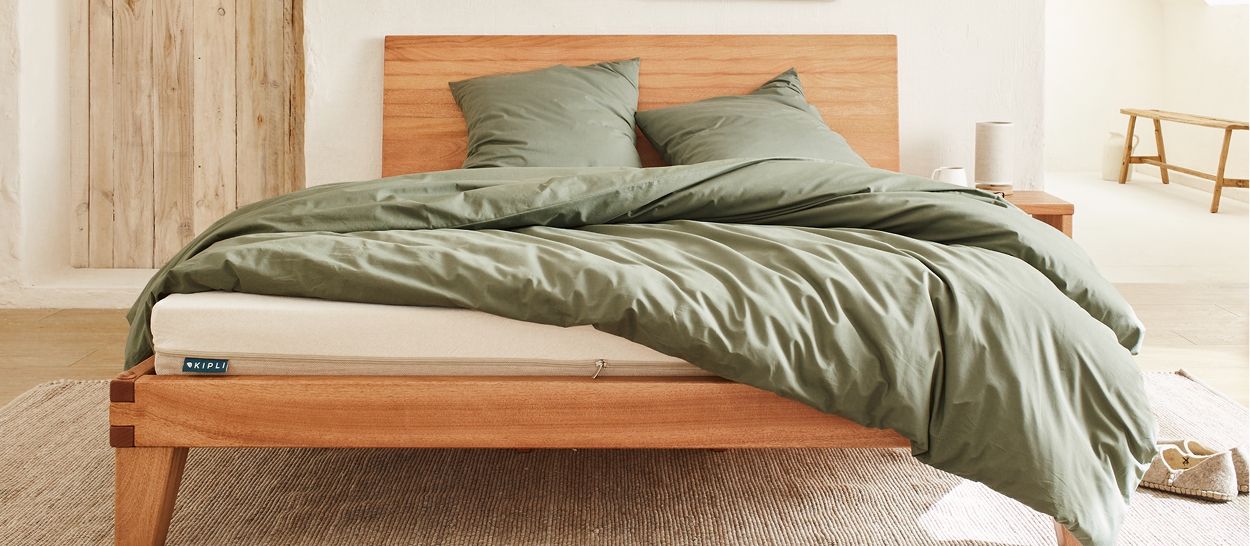
At Kipli, bed frames are made from PEFC-certified solid wood—beech, oak, or okoumé, depending on the model—without synthetic adhesives or chemical surface treatments. Paired with a natural latex mattress and OEKO-TEX-certified organic cotton bedding, they create a sleeping environment designed to maintain indoor air quality every night.
Browse the entire collection of Kipli bed frames made from certified solid wood
Practical Tips for a Healthier Home: Everyday Health
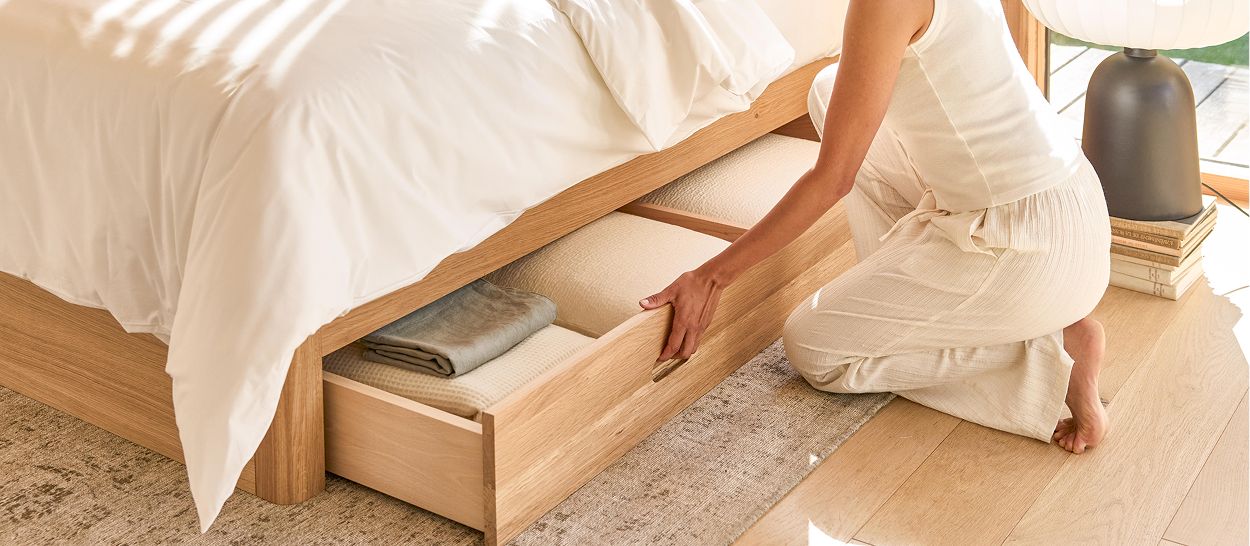
1. Air out the room every morning for at least ten minutes
Each person releases about 0.5 liters of water vapor per night. The air inside the bedroom gradually becomes saturated with moisture and CO2. Daily ventilation refreshes the air, removes the moisture accumulated overnight, and allows solid wood to naturally balance its moisture content. This is the first step toward a healthy environment.
2. Choose natural finishes for your furniture
Vegetable oil, natural wax, A+ paint: These treatments preserve the wood’s hygroscopic properties, do not emit volatile organic compounds, and contribute to a healthy environment over the long term. Check the emission levels listed on the product label every time you purchase furniture.
3. Combine solid wood with natural bedding that complements it
An OEKO-TEX-certified natural latex mattress, a latex or plant-fiber pillow, organic cotton bedding: each component can either be a source of indoor pollution or contribute to a healthier home. The benefits of solid wood are maximized when the entire bedding set follows the same approach to environmentally friendly furniture.
4. Add air-purifying plants to your decor
Pothos, Ficus lyrata, and spider plants absorb certain pollutants from the air and add natural humidity to the atmosphere. They complement the benefits of solid wood furniture to create a healthier bedroom and home.
5. Choose local wood species that are PEFC- or FSC-certified
Oak, beech, ash, fir: These woods, sourced from certified forests, offer better traceability, a lower environmental impact, and well-documented performance in the bedroom. A solid wood thickness of at least 18 mm in high-quality furniture ensures its hygroscopic properties. When making a purchase, be sure to distinguish between furniture that is simply “made of wood” and furniture made of solid wood.
In summary, solid wood improves indoor air quality in three documented ways: it regulates water vapor, does not emit VOCs—unlike engineered materials—and releases natural, soothing terpenes. For sleepers who want to improve the indoor air they breathe every night, the choice of materials for furniture, box springs, and hardwood floors is just as important as daily ventilation. Natural solid wood, made without synthetic adhesives and treated with vegetable oils, is the material most consistent with a healthy environment and represents a long-term investment in both the environment and health.
Kipli, of course.
Written by the Kipli team, specialists in natural building materials since 2018. This article draws on data from ADEME, ANSES, and the IARC on indoor air quality and emission levels from building materials.