


In a world that’s constantly changing, our minds wander to the rhythm of repetitive thoughts—whether we’re focusing on to-do lists, goals, or ruminating on past grievances. Caught between social pressures and everyday worries, we’ve forgotten how to live in the moment. This race for success can weigh us down and lead to chronic anxiety and insomnia. To address this, mindfulness meditation is an increasingly recommended practice for calming the mind and reconnecting with what truly matters. Practicing it daily offers numerous benefits for greater well-being. But how do we immerse ourselves in this state of mindfulness for an inner journey—perhaps the most important one of our lives?
Meditation is part of human history
Meditation is present in most cultures, primarily through monotheistic religions. It is often associated with Buddhism because it is, in fact, an essential practice in that religion. But it is also very present in Hinduism, particularly through yoga. That said, other religions incorporate prayer, which is a form of meditation, just as places of worship invite inner calm and contemplation. After all, meditating isn’t just about sitting cross-legged with your hands on your lap. It’s a true way of life.
Today, meditation is no longer limited to religious practice; it is even recognized as therapeutic and has been adopted, among other places, in professional and medical settings. In France, for example, Christophe André, a psychotherapist, has promoted the use of meditation as part of psychotherapy. In addition, he has written books on the subject and appears in the media to discuss its benefits.
As we know, our mental state and emotions have a significant impact on our health. Stress, anxiety, and emotional trauma can all lead to biological imbalances or even serious illnesses like cancer. Mental health is no longer a taboo subject today, and practicing exercises regularly to calm overly intrusive negative thoughts has become part of many people’s daily lives. What concrete steps can we take to cultivate a little more inner peace?
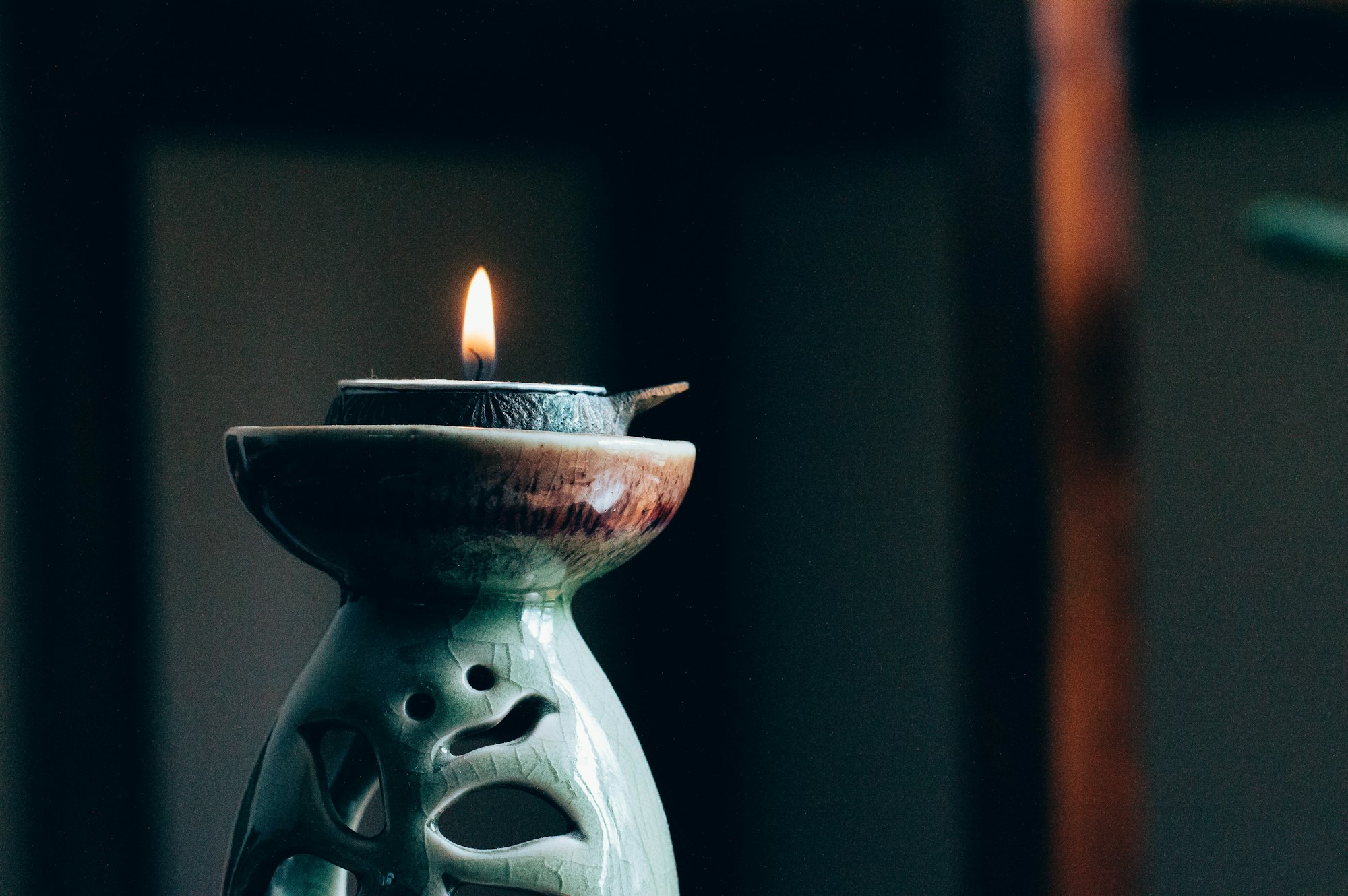
The present moment is the only thing that truly exists
The principle is simple: mindfulness, as the name suggests, is about focusing on the present moment. This is because the overwhelming majority of our thoughts revolve around past regrets or to-do lists for the future. This is especially true since our thoughts are very similar from one day to the next, fueling the same worries and defense mechanisms. To counteract this daily rumination—which at times can take on phenomenal proportions— the present moment becomes a cocoon of comfort. Indeed, there are few moments when we find ourselves in difficulty or in direct danger. So this ruminating on the future or on regrets puts many of us in a state of near-constant anxiety. The body then goes on high alert unnecessarily because there’s no immediate threat. As a result, exhaustion sets in.
Caught up in the daily grind, the goal is to start setting aside time to practice mindfulness. Being present in your surroundings, aware of your physical sensations, and attuned to those around you helps calm your mind. Mindfulness meditation is accessible to everyone and requires no special skills to get started.
The Inner Journey: How to Practice It and What Are the Benefits?
Getting started with meditation couldn’t be simpler: begin with just a few minutes, ideally in the morning after waking up to start the day calmly, or in the evening to help you fall asleep. Sit or lie down, whichever relaxes you most, and if possible, in a quiet environment. To refocus on yourself, your breath becomes the central guide for the exercise—and deep breathing also helps you relax. Feel the air as you inhale and exhale, and if your mind wanders, that’s normal. In that case, bring your attention back to your breath and your sensory experiences. You can close your eyes or focus on a fixed point. The goal is to accept things as they are without judgment and let thoughts pass by like clouds. There are guided meditations available through apps or YouTube videos. The advantage is that there’s plenty to choose from, and the topics are interesting: body scans, mindful breathing, visualizations. Or even very soft music that helps you relax. You’ll have to try them out and see what works best for you.
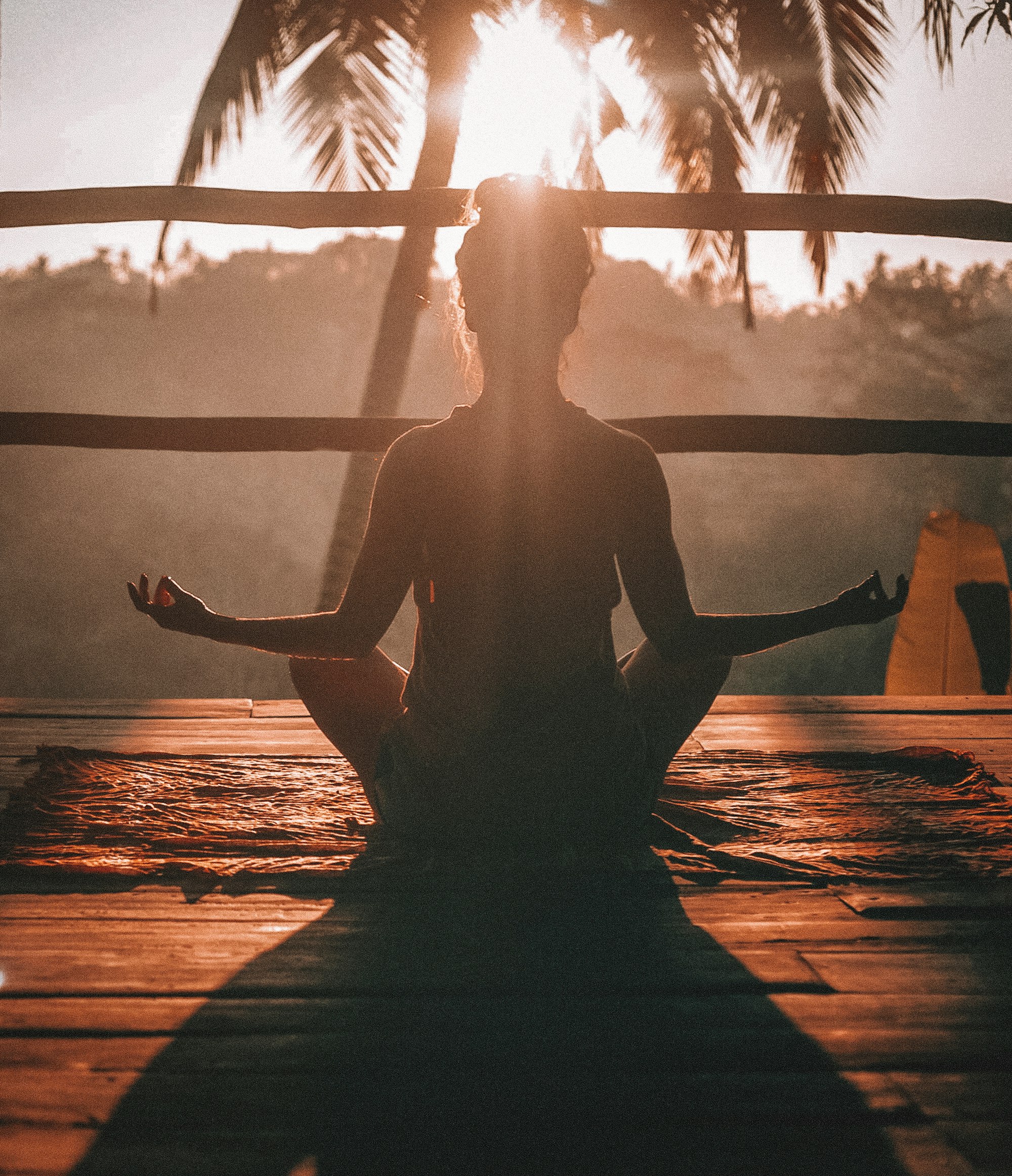
Being in the present moment is a practice that gets easier over time; the brain is like a muscle that needs to be trained. That’s why consistency matters. However, it should be enjoyable, so don’t have specific expectations—otherwise, you risk being disappointed and increasing your frustration. It’s not a competition. So, if your mind is very distracted at any given moment, don’t judge yourself. Just do your best in that moment.
There are many benefits to practicing meditation regularly: reduced stress and anxiety, improved overall concentration, and many other benefits that help promote physical and mental well-being.
Finally, you ’ll be able to enjoy life to the fullest by staying as present as possible in your daily life, because you’ll find that this slowing down of the mind gives way to a more neutral and serene state of mind.