

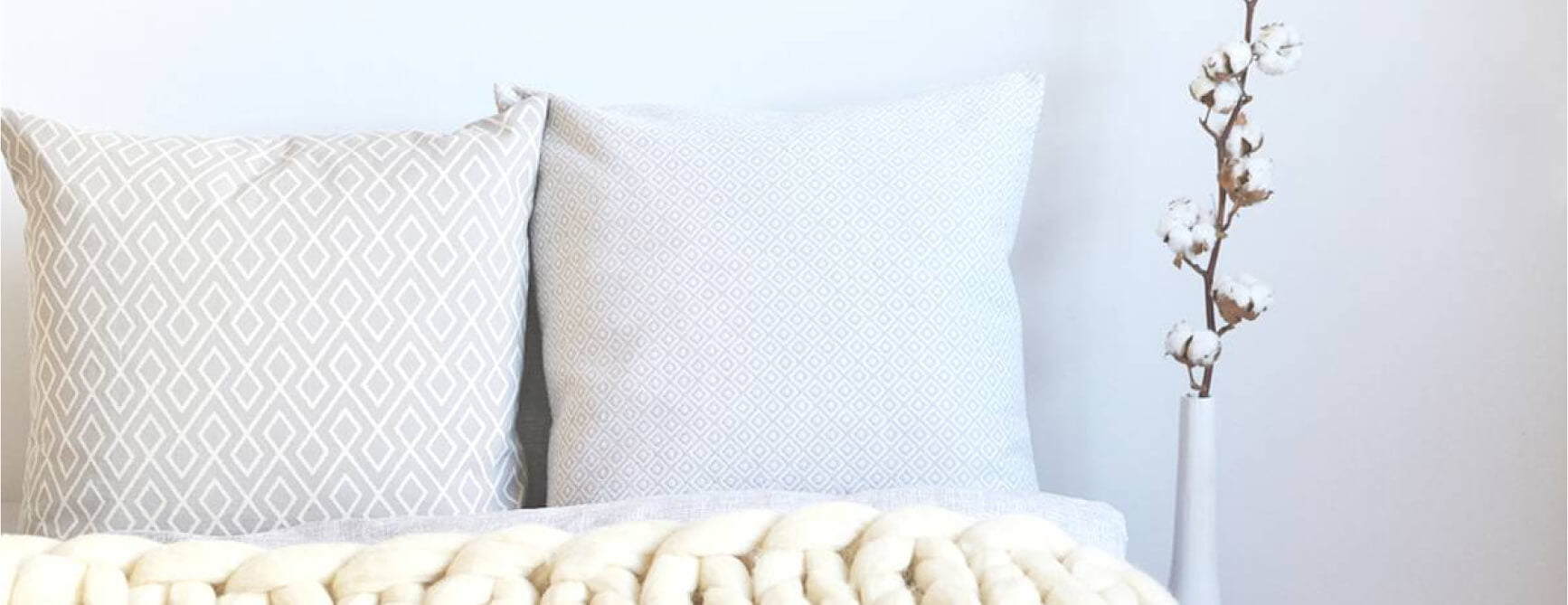
The throw blanket: Which material should you choose for cozy nights?
The bedroom is the ultimate cozy space in the home. So, what could be more natural than having a throw blanket as a bedspread? There’s nothing quite like this cozy blanket to provide comfort and warmth. But given the bedroom’s interior design and the size of the bed, how do you choose the right throw blanket?
It’s not always easy to choose among the various features of bedspreads available on the market: size, color, design, or material—the possibilities are endless. Just like with sofa throws, there are a variety of materials to choose from for this traditional Scottish-style bedspread. So, whether you’re looking for warmth or a cool feel, you’ll want to choose the material of your bedspread wisely. Here are a few tips to help you make the right choices.

Throw blanket: natural or synthetic material?
Throws used as bedspreads are available in a variety of materials. They can be made from natural or synthetic fibers, or even a blend of the two. That is why it is important to fully understand the advantages and disadvantages of these different materials.
Natural materials for a touch of authenticity
Natural fibers undeniably lend an authentic feel to this bedspread. They give this piece of fabric, which adorns the bed, a natural charm. These blankets, made from natural materials, offer several benefits for the health and comfort of the person using them. The most important of these is breathability—that is, their ability to allow air to pass between their fibers.
The fact that these fabrics are breathable prevents moisture buildup, thereby enhancing comfort. Thanks to this characteristic, natural materials also prevent excessive sweating. They allow the body to maintain its ideal temperature; however, be aware that certain natural fibers—particularly those of animal origin—can cause allergic reactions. These allergies most often affect people with severe dry skin. They typically manifest as skin irritation, such as eczema. These are known as contact allergies.
It’s also worth noting that natural fabrics, such as wool, mohair, or cashmere, require special care. They should be washed in cold water on the delicate cycle of the washing machine. Of course, it’s best to have them cleaned by a professional.
But what about bedspreads made of synthetic fibers?
Synthetic fabrics for easy-care bedspreads
The main advantage of throws made from synthetic fibers is their ability to combine comfort, warmth, and ease of care. However, it’s important to note that these fabrics are all made from coal and petroleum. They are produced through chemical processes. Their manufacturing is therefore not ideal for the environment, unless they are made from recycled plastic, such as bottles, for example.
Although synthetic fabrics are mostly made of polyester, they are very easy to care for. This means you can wash your synthetic bedspread at 30 °C as often as you like. It’s also worth noting that this fabric is known for drying very quickly, which can be quite convenient.
It’s also important to know that synthetic fabrics such as polyester generate static electricity, which can cause very unpleasant sensations.
What natural materials should you choose for a throw blanket?
Made from natural materials of plant or animal origin, these bedspreads provide plenty of warmth and add a cozy touch to the bedroom. These textiles, crafted from natural fibers, not only help protect the environment but also safeguard everyone’s health.
A bedspread made from natural animal-derived materials
Some throws are made from natural fibers of animal origin, specifically the hair or fur of animals such as Angora goats, llamas, rabbits, or sheep. This natural raw material is used to produce wool of various qualities, which will keep you warm throughout the winter.
The sheep's wool throw
Warmth and affordability are the two main advantages of sheep’s wool for a bedspread. Merino wool is particularly recommended for its softness and lightness. Knitted in a loose, chunky stitch, it creates a plush, supple bedspread that’s perfect for snuggling up in.
The camel-hair throw
More valuable than wool, camel hair has unmatched thermal properties and excellent moisture-wicking capabilities. Thanks to its natural color, this camel hair throw easily complements any bedroom decor.
The cashmere throw
Cashmere is renowned for its softness, lightness, and pleasant feel. It’s therefore perfect for the bed, where it helps create a sense of rest and well-being. But be careful—it can be difficult to care for.
The alpaca throw
Warmer than sheep's wool and softer to the touch—thanks to its less irritating fibers—alpaca wool adds elegance and style to this throw blanket.
A bedspread made from natural, plant-based materials
Throws are also made from natural plant-based fibers. This is the case, for example, with cotton or linen throws, which are perfect for summer. Easy to care for, durable, and certified by organizations such as Oeko-Tex, these natural-fiber bed linens are lightweight and breathable, even when it’s hot.
Silk throws, on the other hand, are the ultimate in warmth, lightness, and softness against the skin. But their price and the care required to maintain them aren't for everyone.
Another natural fiber that is becoming increasingly popular is bamboo. This material has antifungal and antibacterial properties and feels very pleasant to the touch. It does not cause allergies and is very easy to wash in the washing machine.
Choose a synthetic material—yes, but make sure it's recycled
Synthetic bedspreads are generally appealing for their bright colors, while also being very lightweight and comfortable. It’s hard to resist them, even though we know full well that these fabrics are usually produced by the highly polluting petrochemical industry.
For environmental reasons, it is therefore recommended to choose fleece throws made from recycled plastic. Recycling plastic prevents this material from polluting the oceans while reducing waste. It is also worth noting that fleece made from recycled plastic is, in many ways, similar to wool. It therefore shares wool’s main qualities:
- by allowing air to pass through (breathability);
- by absorbing moisture;
- as it provides excellent thermal insulation.
Other materials, such as viscose, may be used in the construction of a throw blanket. But be careful: even though it comes from a natural source, cellulose undergoes numerous chemical treatments and isn’t very warm. So despite its attractive price, it’s best to avoid a throw made from this synthetic material, which can be harmful to your health and the environment.
With this information, you can choose the right fabric for your bedspread—one that’s both the right choice and environmentally friendly.
We recommend these other pages:
- What fabric should you choose for your sofa throw?
- Why Choose a Cotton Gauze Throw?
- How to Choose a Wool Throw?
- How do you choose the right size throw blanket?
- What color should you choose for your throw blanket?
- Solid-color or patterned throw: Which one should you choose?
- How do you choose a throw blanket for a child?
- Which blanket should you choose for a baby?
- How do you choose a throw based on the season?
- How do you drape a throw over a sofa?
- How can I use a throw blanket to cover a sofa in an attractive way?
- What's the difference between a sofa throw and a sofa blanket?
- How to Choose a Sofa Throw?