


Coffee Table: How to Choose the Right One Based on Materials
The coffee table is a central element of living room decor. People generally base their choice of this piece of furniture on aesthetic criteria. And the choice isn’t necessarily easy: models come in a wide variety of colors, styles, and features.
Choosing the right materials for your coffee table is one of the questions you should ask yourself. What are the main criteria for determining the ideal material for your coffee table? What are the pros and cons of the most common materials used to make coffee tables?
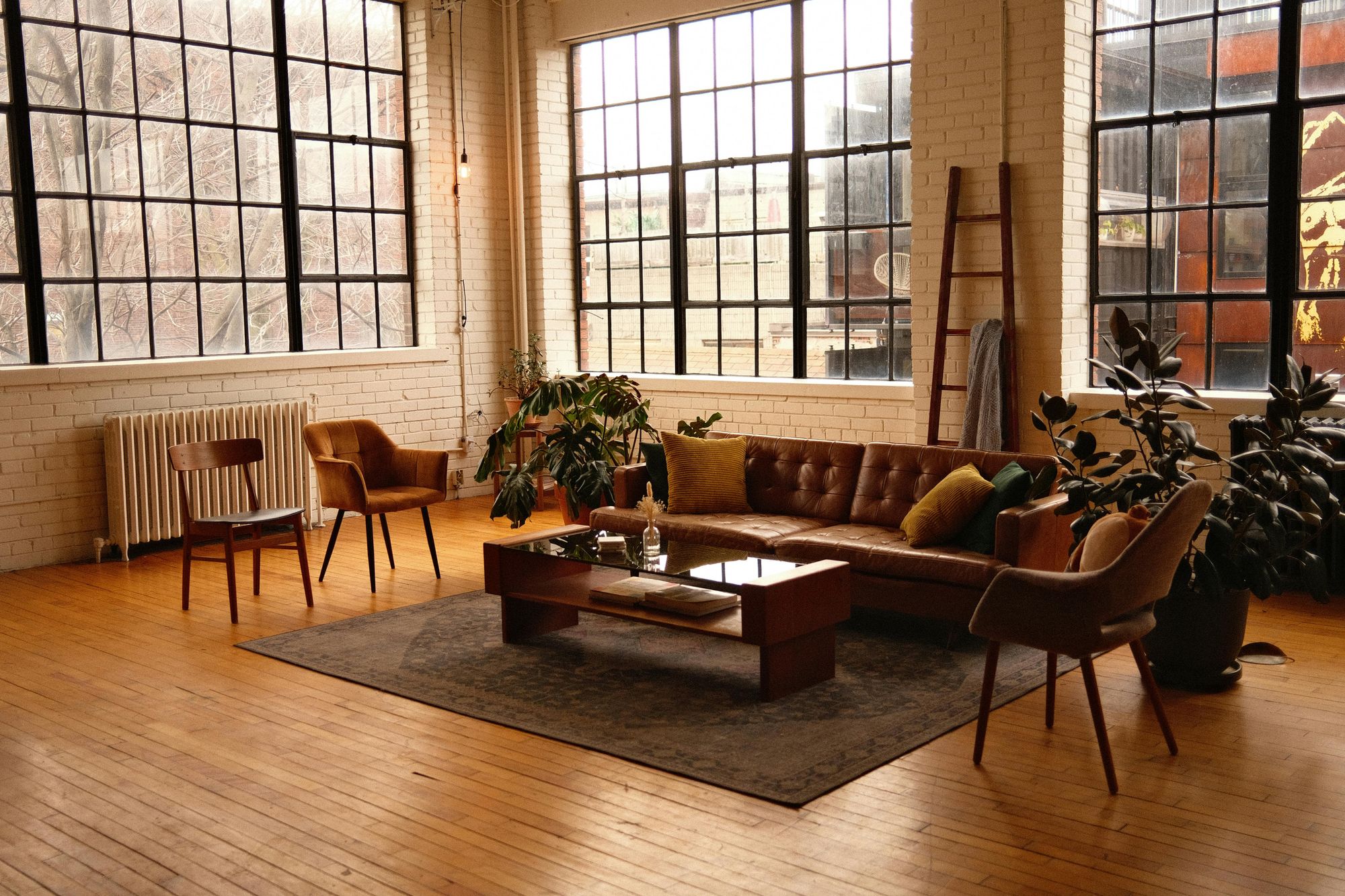
Coffee Table Materials: Selection Criteria
There are several factors to consider when choosing the materials for your future coffee table.
Coffee Table: Choosing a Material to Match Your Interior Decor
The shape and material of the coffee table depend largely on the style of the home's interior. More specifically, the material of the coffee table should complement the living room's decor:
- A modern interior calls for a clean-lined style: a glass or metal coffee table fits this description perfectly;
- An industrial decor style calls for a coffee table made of untreated wood or metal, with exposed screws;
- A Scandinavian-style living room calls for a coffee table made of light wood or melamine;
- Rustic decor calls for a coffee table made of solid wood or stone.
Choosing the Material for a Coffee Table Based on Your Lifestyle
The materials used to make coffee tables are also chosen based on lifestyle habits. Family composition, how the furniture will be used, and maintenance: these are the key factors that determine the choice of materials for a coffee table.
Coffee table: Keep an eye on the kids
Families with young children should therefore consider the sturdiness of their coffee table. It’s best to avoid glass tables and opt for plastic, wood, or metal instead. Another piece of advice for parents is, of course, to choose a coffee table that doesn’t have sharp, rectangular corners.
Which material should you choose based on the furniture's intended use?
The intended use of the coffee table determines the ideal material. If it serves only a decorative purpose, you can consider high-end materials such as solid wood, marble, or metal. On the other hand, if it’s used for dining, it’s best to choose a model made of metal or melamine. Extendable, lift-top coffee tables with storage space are currently in style. They’re mostly available in natural wood and melamine.
Caring for Your Coffee Table
Maintenance is another key factor to consider when choosing the material for a coffee table. Dark-colored glass coffee tables require nearly daily cleaning. In contrast, a light-wood coffee table hides dust better. The same applies to coffee tables made of natural stone and rustic-looking iron.
Choosing a Coffee Table Based on Its Dimensions
The material goes hand in hand with the dimensions of living room furniture. The larger the piece, the heavier the coffee table will be and the more difficult it will be to move. If the piece needs to be moved frequently and is quite large, it’s best to opt for lightweight materials such as PVC, laminate, or even wood.
Different Materials for Coffee Tables
Glass, plastic, stone, metals, or wood: What are the advantages and disadvantages of these materials?
The glass coffee table
A timeless classic, glass adds elegance and a sense of lightness to a small living room table. It pairs particularly well with modern, designer interiors, but the material generally complements all types of decor. Very often, glass coffee tables feature frames made of different materials. This piece of furniture is fairly fragile and requires regular maintenance.
The plastic coffee table
Plastic coffee tables offer several advantages. First, plastic is a lightweight material, which makes them easy to move around. Second, plastic coffee tables come in a wide variety of shapes and colors. They therefore complement any type of decor and living room furniture (sofas, TV stands, etc.). Finally, new parents may prefer this type of furniture for the safety of their young children.
When it comes to drawbacks, the issue of environmental impact is unavoidable. Plastic is a material derived fromthe petrochemical industry. However, oil extraction is highly polluting and requires a significant amount of embodied energy. To adopt an eco-friendly approach, it’s best to choose a coffee table made from natural materials that have been processed as little as possible.
The stone coffee table
Stone coffee tables are prized for their elegance and quality. Marble and travertine are among the most sought-after stones for this type of furniture. Their aesthetic appeal is undeniable, and these materials are often paired with wood or brass to create a more refined look. Sturdy and durable, stone pieces work best with minimalist and modern decor styles. However, they require special care to prevent damage to the stone.
The metal coffee table
Metals are all the rage when it comes to living room decor. The industrial style, in particular, highlights cast iron, iron, and steel. The advantage of a metal table lies in its durability and ease of maintenance. Metals blend well with other materials, offering countless possibilities for coordinating with different decor styles.
The wooden coffee table
Wood is the quintessential material for furniture. Historically speaking, it has always been appealing. It’s worth noting that this material brings a natural, rustic, and warm feel to the living room. As such, it remains timeless. If the construction is of high quality, the coffee table offers solid guarantees of durability. Furthermore, this piece of furniture adapts to many different decor styles, from Scandinavian to the most minimalist and modern designs.
A wide variety of styles
Different types of wood offer a wide variety of styles for coffee tables, particularly in terms of color. This is evident in the richer tones of exotic woods, compared to the much lighter hues of European woods. It’s therefore important to avoid mixing wood species within the same room. Maintenance is the only drawback of this style of coffee table. Often exposed to water, grease stains, or the mischief of young children, the piece requires regular and meticulous care.
Prioritize solid, locally sourced wood
Today, environmental awareness is on the rise in all areas, including interior design. While plastic furniture is coming under increasing criticism, the choice of exotic wood also raises concerns. These materials travel long distances by cargo ship or airplane—sometimes both. Furthermore, choosing exotic wood contributes to deforestation, endangering entire ecosystems.
On the contrary, choosing locally sourced materials significantly reduces the carbon footprint. This promotes the expertise of artisans in our regions and ensures a high standard of quality. Finally, numerous certifications—such as FSC and PEFC—attest tothe sustainable management of forests.
We recommend these other pages: