

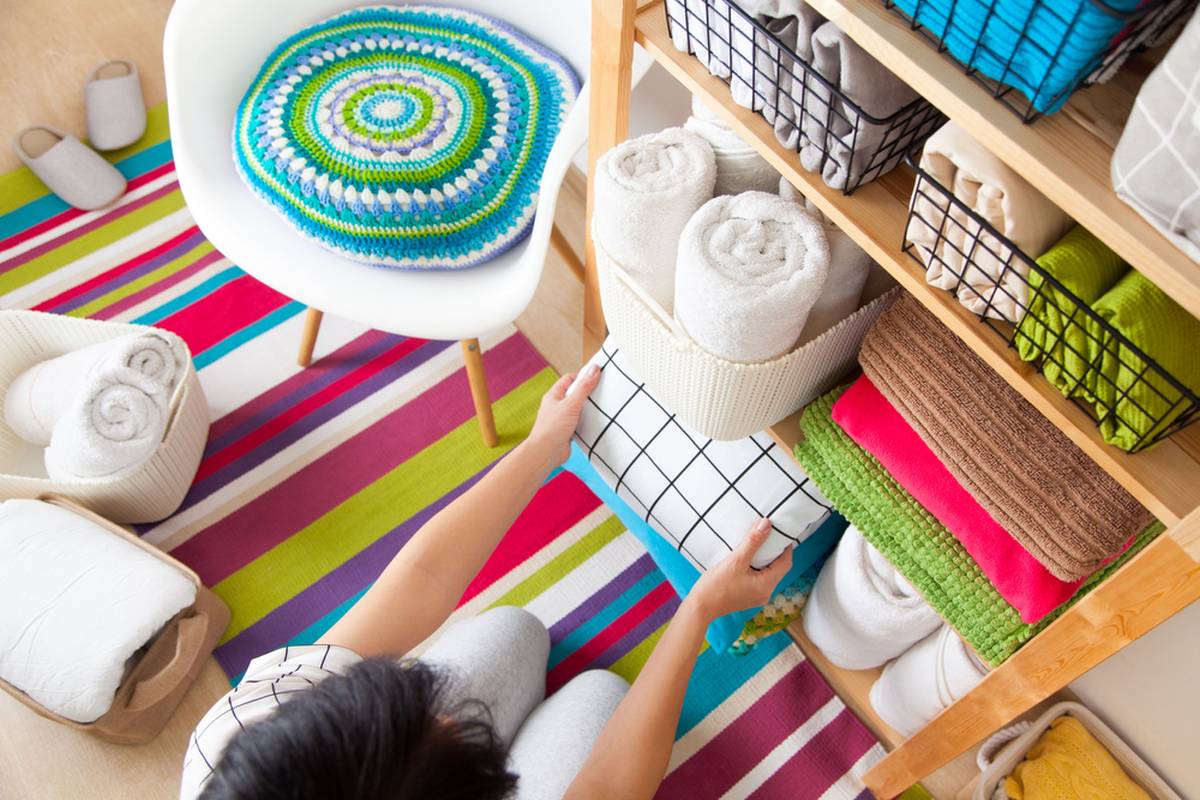
In addition, these textile items can contribute to interior design. What are the different types of home linens? How can you tell if a linen is high-quality? How do you choose the right home linens? Let’s take a closer look at home linens, their role in interior design, and the quality criteria you need to know to make the right choice.

What is household linens?
Home textiles encompass all textile items used indoors for utilitarian, practical, or decorative purposes. Many home textile items today are designed to address these various needs. They thus combine functional and aesthetic features, as well as eco-friendly qualities. As a result, it is possible to find textile products made from organically grown materials or produced responsibly, some of which are certified.
Household linens can be grouped based on the household tasks for which they are used or the rooms they decorate:
- Bedding refers to the various items that can be used to personalize your bed. These items include mattress protectors, fitted sheets, duvet covers, pillowcases, flat sheets, throw pillows, etc.;
- Bath and toiletries include textile items used in wet areas (bathrooms, showers, restrooms) or outdoors (swimming pools, beaches, etc.). They consist of bath towels, beach towels, bathrobes, bath mats, washcloths, etc.;
- Kitchen and table linens include all products used in the kitchen for cleaning or decoration, as well as items used at the table or outdoors during picnics. This category of home linens includes kitchen aprons, dish towels, oven mitts, hand towels, and napkins;
- Decorative home textiles include all the fabric items found in bedrooms, kitchens, offices, and living rooms, such as curtains and sheers.
All of the household linens described above can be made from synthetic or natural fibers (linen, cotton, bamboo). The durability and quality of these everyday items depend in part on the materials used in their manufacture. In the following paragraphs, we’ll explore the criteria for selecting durable, high-quality household linens.
How can you tell if home linens are of good quality?
To help you choose the right linens, here are a few details to keep in mind.
Certification bodies and quality labels
The quality of household linens depends on the raw materials used in their manufacture. In general, it may be worthwhile to look for certified products. Labels and certification bodies specializing in textiles aim to help and guide consumers in selecting products by analyzing factors that consumers may not necessarily have access to, such as:
- toxic substances;
- pesticides and insecticides;
- workers' compensation;
- etc.
Among the labels that specialize in certifying home textiles are:
- Oeko-Tex, whose certification guarantees that the product in question is free of harmful substances;
- GOTS (Global Organic Textile Standard), which focuses on the environmental impact of textile manufacturing and certifies a product's organic origin;
- The European Ecolabel, which aims to identify the most environmentally friendly products throughout their life cycle.
It should be noted that these certifications focus on both the intrinsic quality of the product and its manufacturing process (environmental and social impact, etc.).
The Quality of the Weave
When it comes to selecting bedding sets and sheets, it is generally important to consider the quality of the weave and the density of the fabric. These are expressed in threads per square centimeter or grams per square centimeter. The higher these values are (> 57 threads/cm²), the denser the fabric is—and therefore the more durable and sturdy it is.
In this context, natural fibers such as linen and cotton stand out for their strength and durability, wash after wash.
How to Choose the Right Bath Towels?
When selecting bath linens, you should consider both their softness and their ability to handle moisture.
Criteria for Selecting Bath Towels
When selecting bath linens, various criteria are taken into account, such as:
- texture (soft or not);
- the dimensions of the various items (towels, rugs, etc.);
- the basis weight;
- the absorbency of the fabric used;
- the quality of the product's finish;
- the material and fibers used.
These various factors influence the absorbency of bath towels in response to moisture exposure, as well as the comfort expected when using this type of fabric.
The weight per square meter of bath linens
The primary function of bath linens is to effectively absorb moisture and water. To choose absorbent towels and bath mats, it is important to consider the product’s weight per square meter. Thick, heavy bath linens tend to absorb water more easily and thus provide the desired level of comfort.
Fabrics Used in the Manufacture of Bath Towels
The choice of fabric for bath linens depends on personal preference. When it comes to natural fibers, you can opt for plant-based fibers such as cotton, linen, and bamboo.
We can therefore distinguish the following types of towels:
- towels made of combed cotton or honeycomb fabric: the latter are prized for their lightness, elegance, and ability to dry quickly;
- Bamboo towels: perfect for a soft, plush feel;
- Terry cloth towels: a good choice because of their absorbency.
When choosing these linens, it is important to verify that the materials have been sourced in an environmentally friendly and ethical manner. The goal is to purchase products that are safe and do not emit volatile organic compounds.
How to Choose the Right Table Linens?
Table linens come in a variety of styles and materials. How can you be sure to choose high-quality, attractive products that complement your interior decor?
Selection Criteria for Table Linens
Table linens serve an aesthetic and hygienic purpose and help protect kitchen and dining room furniture. When selecting table linens, it’s important to consider not only their functional role but also their role in the home’s interior design. Therefore, whether you’re choosing a tablecloth or napkins, it’s important to decide on the desired colors and textures before making a purchase.
Table linens are available in a variety of colors and textures, ranging from the most understated (pastel or solid colors) to the most vibrant and unique. It’s also worth noting that tablecloths can be sold separately or as part of a set that includes napkins and dish towels, among other items. Finally, you can choose from several table settings depending on the occasion: family dinners, holiday celebrations, summer vacations, and so on. More festive events may call for more creative tablecloths, while formal occasions may require more understated table linens.
Another factor to consider when buying a tablecloth is the shape of the table it will cover: round, oval, square, or rectangular. The goal is to choose a tablecloth or table setting that suits the shape of your table, while keeping in mind the length needed for the tablecloth to hang over the edge (about 30 cm).
Tablecloths and napkins made from plant fibers
Although table linens are available in synthetic materials, it is possible to choose items made from plant-based, certified organic materials. In this regard, there are various options, including organic cotton and linen.
These two materials offer the advantage of being selected based on environmental criteria (pesticide-free, recyclable, etc.). They are also naturally antibacterial, hypoallergenic, and thermoregulatory, making them safe for your health.
From an aesthetic standpoint, this type of tablecloth offers a variety of styling options: classic, rustic, bohemian, or chic. For those who prefer a minimalist look, you can choose tablecloths with a timeless appeal while highlighting the elegant and refined quality of cotton or linen.
How do you choose curtains?
Curtains, whether used in the living room, bedrooms, or kitchen, bring comfort and a warm, inviting atmosphere to these different rooms. To choose the right curtains, it’s important to consider their size, color, opacity, and the fabric used to make them.The opacity of the curtain is an important factor when selecting sheers for your home. The goal is to strike a balance between the curtain’s ability to provide privacy while still allowing light to filter through. Curtains made from natural fibers (such as cotton or linen) perfectly meet this requirement. In fact, curtains made from these materials—in addition to complementing all decorative styles—are available in a variety of thicknesses and levels of opacity. This makes it possible to choose dark or thick curtains for bedrooms and lighter, more sheer curtains for living rooms and other common areas.Just as with the linens described earlier, plant-based fibers offer access to household products that are hypoallergenic, non-toxic, and thermoregulatory. To ensure the quality of the chosen linens, it’s important to check for certification bodies that attest to the quality of these home textiles, such as Oeko-Tex.Ultimately, selecting high-quality home linens is not limited to considering aesthetic criteria. It also involves seeking out naturally sourced products—preferably certified organic—to ensure you’re using linens that pose no health risks and represent an eco-friendly purchase. Finally, choosing home textiles made from plant-based fibers such as linen or cotton guarantees a level of comfort that is sometimes hard to find in products made from synthetic materials.
We recommend these other pages: