


Hotels and Bed-and-Breakfasts: What Kind of Bedding Should You Choose?
To sleep well, good bedding is essential. Box spring, mattress, comforter, pillow: each piece of bedding must be chosen with care. Nor should you overlook the importance of bed linens for a comfortable night’s sleep.
Bedding should ensure a good night’s sleep at home and everywhere else: whether you’re renting a house or apartment, staying at a hotel, a vacation rental, or a bed-and-breakfast for a vacation, a business trip, or another occasion—whether in France or abroad.
A bedding set includes a fitted sheet, a flat sheet, pillowcases, and a duvet cover. A mattress protector, mattress pad, and bedspread can also be added to the list. Fabric quality, ease of care, suitability for the season, and compatibility with the bedroom’s decor: let’s explore the best tips for choosing the perfect bedding for a hotel or bed-and-breakfast.
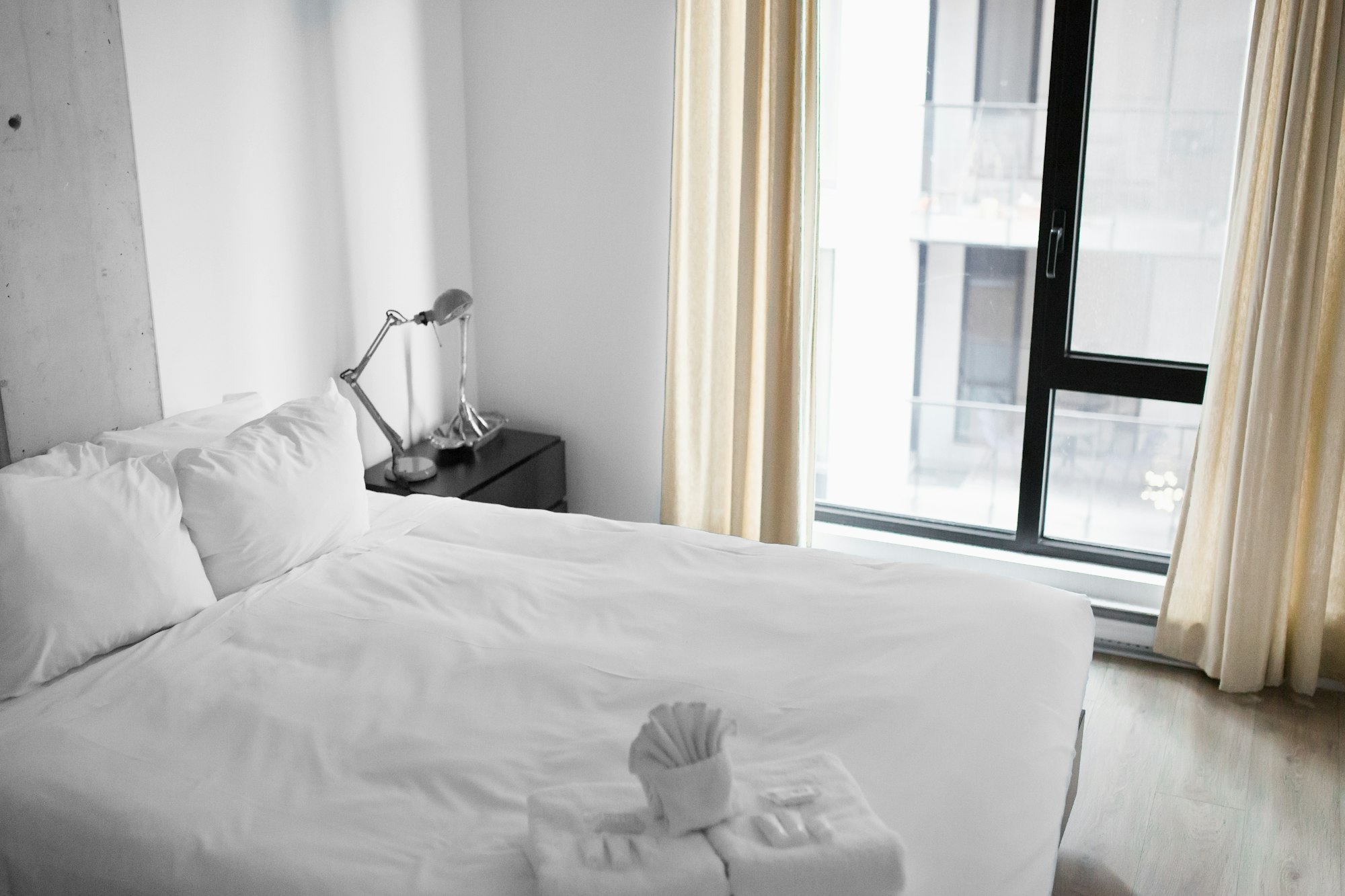
Choosing the Right Bed Linens
The fabric of the linens is undoubtedly the most important factor when selecting a set for hotels and bed-and-breakfasts. The quality of the fabric largely determines the level of comfort the linens provide. With a wide range of options—including natural, synthetic, and blended fabrics—here are the key considerations for each of these materials in the hospitality industry.
-
Cotton: The Most Common Material for Bedding
Cotton textiles are often prized for their softness and durability, as well as their ability to regulate temperature. Cotton sheets, duvet covers, and pillowcases are therefore ideal for bedding used in hotels or bed-and-breakfasts.
However, it is important to clearly distinguish between the different types of cotton fabrics: plain weave, percale, satin, gauze, and flannel. The weave affects the fabric’s feel, the weight of the sheets, and the fabric’s breathability. It is therefore important to select a fabric that will appeal to the majority of customers.
-
Other natural materials to consider for bedding
Cotton isn't the only comfortable material for bedding. You can also choose:
- linen, whose anti-allergic and antibacterial properties make it ideal for linens in the hospitality industry;
- silk, because its sheen gives the bedding a more luxurious look;
- lyocell (or Tencel), because it feels similar to silk and is more affordable.
These three natural materials—whether plant-based (linen and lyocell) or animal-based (silk)—are valued for their thermoregulatory properties, as well as for being more environmentally friendly than synthetic materials.
-
Material Quality as Reflected in Certifications
To ensure that your bedding is perfectly comfortable, durable, healthy, and long-lasting, you need to pay close attention to its composition and certifications. Among the most common textile certifications are:
- Oeko-Tex certification, which guarantees the absence of harmful substances;
- GOTS certification, which guarantees that the fabric is organic.
The textile industry is characterized by the use of cotton, which accounts for more than 50% of global production. However, this is conventional cotton, the cultivation of which is among the most polluting in the world, involving the use of large quantities of insecticides and pesticides. Organic cotton, on the other hand, is not treated, which helps preserve soil and biodiversity. Similarly, since it is grown in areas with higher humidity than conventional cotton, it requires far less water, thereby reducing the environmental impact of its cultivation.
The pursuit of organic products isn’t limited to cotton alone: all materials can be organic. Bedding made from organic materials guarantees the highest quality and helps protect the health of guests at bed-and-breakfasts or hotels. The price of such high-end linens may be a barrier for some hospitality managers, but above all, it guarantees comfortable linens that last a long time. In fact, the comfort of amenities—including bedding and linens—is one of the criteria used to award star ratings to tourist hotels.
Choose Bedding That's Right for the Season
In addition to the fabric's basic characteristics, you should also consider the thread count when choosing bedding that's appropriate for the season.
Weaving refers to the process of interlacing threads made from textile fibers, such as cotton fibers, the most commonly used material in textiles. While the number of threads used cannot be considered an indicator of quality on its own, it remains a major factor influencing the weight and texture of the fabric.
Regardless of its weave, cotton remains a naturally breathable and temperature-regulating material, which makes cotton bedding comfortable in both summer and winter. However, the perceived level of warmth can vary from one fabric to another:
- Gauze is particularly light and breathable;
- Percale feels light;
- Satin is heavier and retains heat better;
- Flannel is more insulating and warmer because the fabric is brushed.
To ensure guest satisfaction at both hotels and bed-and-breakfasts, it is therefore important to choose linens that are light enough for summer and warm enough for winter, but that also provide temperature regulation in all seasons. It is also possible to have several sets of bedding for each season.
Hygiene and Bedding in the Hospitality Industry
Hygiene is particularly important in the hospitality industry, as many guests stay in the rooms for one night and expect a certain level of cleanliness. Establishments must therefore adapt their linens to ensure optimal hygiene.
With that in mind, it’s essential to protect the mattress from moisture caused by sweat and dirt using a mattress protector or a mattress pad—or even both. Additionally, the breathability of the fabric used for the bedding is essential for keeping sheets, duvet covers, and pillowcases fresh, clean, and comfortable all night long.
To ensure that linens are perfectly hygienic and inviting for a good night’s sleep, regular care is essential. Hotels and bed-and-breakfasts, in particular, must follow strict rules for laundering linens. Moreover, the linens must be of high enough quality to withstand the many wash cycles they will undergo, as these are often done daily.
Bedding that complements the bedroom's decor
In addition to the comfort and quality of the linens, hotels and bed-and-breakfasts must also consider their decorative appeal. The colors and patterns of the linens should complement the room’s decor to make it welcoming and pleasant.
In hotels, linens are very often white. Classic and elegant, a white set may, however, require more maintenance due to potential stains that may be visible. In bed-and-breakfasts, the trend leans more toward color. It’s common to find mismatched sheets, duvet covers, and pillowcases. To decorate the room tastefully, however, the choice of colors should be consistent with the rest of the decor.
We recommend these other pages:
- How do you choose bedding for a baby?
- How to Choose Linen Bedding?
- How to Choose Cotton Gauze Bedding?
- How to Choose Percale Bedding?
- How do you choose cotton satin bedding?
- How do you choose flannel bedding?
- What makes high-quality bed linens?
- How to Choose a Pillowcase
- How do you choose a duvet set?
- How to Choose a Fitted Sheet?
- How do you choose a duvet cover?
- How to Choose a Bedspread?
- What size should you choose for your bedspread?
- What is a boutis used for?
- How do you choose a quilted boutis?