


Monophasic sleep—those famous 8 consecutive hours—is a modern habit. However, before the advent of artificial light and the changes brought about by the Industrial Revolution, most people preferred biphasic sleep, which is more in tune with natural rhythms.
Dividing sleep into two distinct periods is no longer just a historical curiosity. Today, this model is making a comeback as an alternative well-suited to our modern lifestyles. Studies show that split-night sleep can be just as effective for recovery as a full night’s sleep.
A Look Back at Sleep Before the Industrial Revolution

Before the advent of artificial light, nights were dictated by the natural rhythm of the day. Back then, it was common to wake up in the middle of the night to engage in quiet activities such as reading or prayer, before returning to a second period of rest. This cycle was fully in tune with the body’s natural needs.
This sleep pattern, aligned with the body’s natural needs, follows an instinctive rhythm rooted in our biology. Today, studies show that the biological clock is not naturally programmed for continuous sleep, and that alternating between deep slow-wave sleep and light sleep can optimize recovery.
Biphasic Sleep: A Solution for Sleep Disorders?
According to recent studies, nearly 40% of adults suffer from chronic sleep deprivation. In this context, biphasic sleep may offer an alternative that better accommodates individual biological needs and reduces this accumulated fatigue. In a world where sleep deprivation is becoming a chronic problem for many, biphasic sleep emerges as an interesting approach. It could be a solution to modern rhythms that have been desynchronized by artificial light and social demands.
Rather than forcing continuous sleep, the biphasic model aligns with the body’s natural circadian rhythm by incorporating natural breaks between two periods of rest. To reap the full benefits, it is essential to maintain the structure of the sleep cycles, particularly by promoting deep slow-wave and REM sleep phases.
These phases are essential for sleeping well and waking up feeling refreshed.
What is biphasic sleep?
Definition and Principle
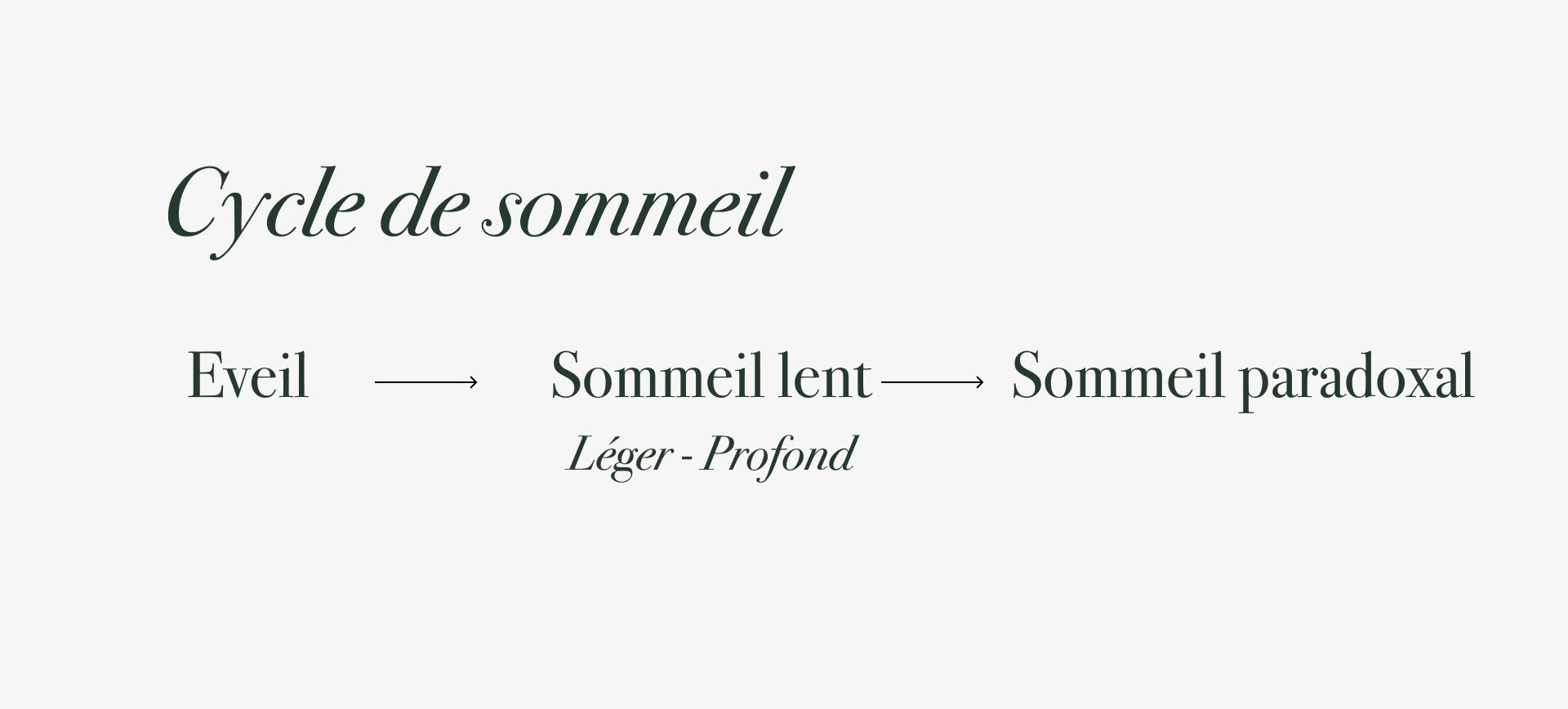
Biphasic sleep refers to a pattern of sleep consisting of two distinct phases rather than consolidating the entire rest period into a single block. Unlike monophasic sleep, which is widely practiced in modern societies, this segmented pattern aligns with ancient practices and natural rhythms. Historically, before the Industrial Revolution, sleeping in a single block was not the norm: most people divided their rest into two periods, separated by a period of quiet wakefulness in the middle of the night.
Biphasic sleep consists of two distinct phases, each of which follows a complete cycle: light slow-wave sleep, deep slow-wave sleep, and REM sleep. This pattern promotes optimal recovery while respecting the body’s biological rhythms.
Unlike monophasic sleep, which is limited to a single 8-hour block, or polyphasic sleep, which divides rest into multiple short periods, biphasic sleep divides sleep time into two balanced periods.
Sleep cycles in a biphasic model
Although biphasic sleep divides rest time into two phases, it follows the same biological mechanisms as monophasic sleep. Each sleep period consists of several cycles, which are in turn divided into different phases that are essential for recovery:
1. Light sleep: This phase marks the beginning of the sleep cycle and corresponds to the process of falling asleep. It prepares the body to enter a deeper stage of sleep.
2. Deep slow-wave sleep: a key phase for physical regeneration, it allows the body to recover from the fatigue accumulated during the day.
3. REM sleep: Often associated with dreaming, it plays a fundamental role in memory, learning, and creativity.
In a biphasic model, these cycles repeat during each rest phase. The first period, which is generally longer, is dominated by deep slow-wave sleep, which is essential for the body’s recovery. The second, shorter period often involves REM sleep and light sleep, allowing the mind to better consolidate what it has learned and wake up gently.
Adhering to sleep cycles is essential in this model. An imbalance—such as insufficient deep sleep—can lead to fatigue and long-term health issues.
The Benefits of Biphasic Sleep
What are the benefits of two-phase sleep?
Biphasic sleep offers several benefits—both physical and mental—when done correctly. Here are the main benefits:1. Better alignment with the body's natural rhythm
Biphasic sleep aligns with the body's natural rhythms, reducing fatigue and improving the overall quality of rest.
2. Optimized recovery
By breaking up rest periods, this type of sleep maximizes the benefits of deep non-REM and REM sleep cycles. Each phase contributes to restorative rest while maintaining the energy needed to stay productive.
3. A Solution to Sleep Deprivation
For people with busy schedules, biphasic sleep can make up for a shortened night’s rest. A well-timed nap during the day helps make up for the missing hours, thereby preventing the negative effects of insufficient sleep.
The Impact on Different Types of Sleep
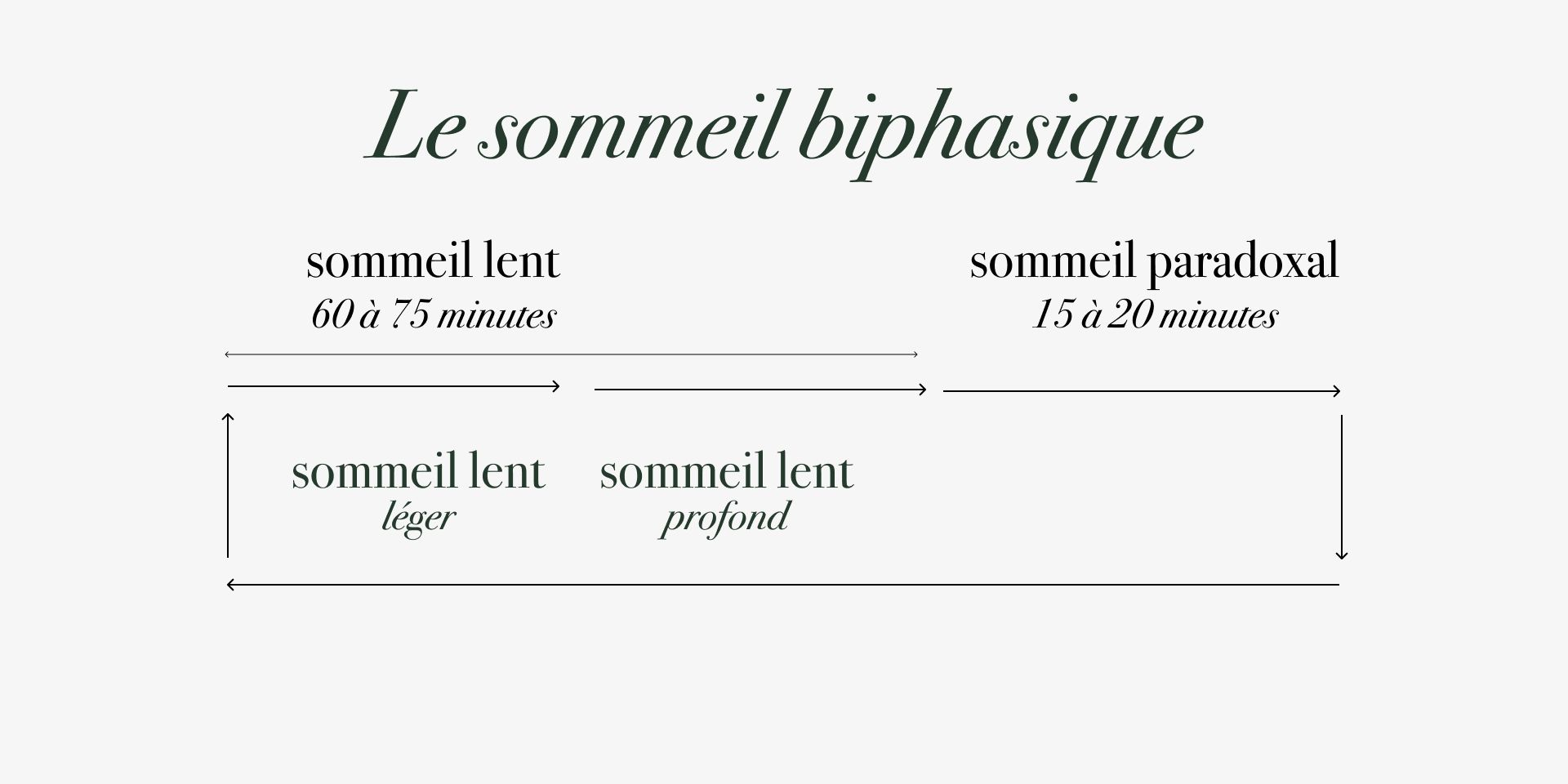
By separating rest periods, biphasic sleep allows you to make better use of the different phases of the sleep cycle:
• Deep slow-wave sleep, which often predominates during the first stage, promotes complete physical recovery and the release of essential hormones.
• REM sleep, which occurs more frequently during the second stage, supports cognitive functions such as memory and creativity.
• Light sleep, which occurs during transitions, ensures a smoother, less abrupt awakening.
These benefits make biphasic sleep an attractive alternative, especially for people who are unable to sleep for a single, uninterrupted period or who want to adapt their sleep to a demanding lifestyle.
Is biphasic sleep right for you?
Who is it suitable for?

Biphasic sleep is not a one-size-fits-all approach. However, it may be perfectly suited to certain individuals and specific situations. Here are a few examples of people who might benefit from this model:
1. Shift Workers
For those who work nights or have irregular schedules, biphasic sleep can allow them to break up their rest according to their availability. An initial phase after work and a nap during the day make it possible to adapt without sacrificing essential sleep cycles.
2. Creative professionals and students
Some people find that their minds are particularly active at night. A break between sleep cycles can be an ideal time for reflection, creativity, or studying, while still ensuring enough rest to stay productive.
3. New Parents
With sleep patterns often disrupted by nighttime awakenings, biphasic sleep can be a natural and instinctive way to adapt to this demanding stage of life.
Limitations and Potential Risks

Although biphasic sleep has its benefits, it is not suitable for everyone. There are certain limitations to consider:
• Risk of sleep cycle imbalance: If the deep or REM sleep phases are disrupted, this can lead to persistent fatigue.
• Difficult adjustment: Transitioning from monophasic to biphasic sleep requires a period of adjustment—sometimes lasting several weeks—for the body to adapt to this new rhythm.
• Incompatibility with certain schedules: This model requires a certain amount of flexibility to fit in the two rest periods, which may not be possible in all professions or lifestyles.
Finally, it is crucial to respect individual sleep needs. The total duration of both phases should ideally be 7 to 8 hours to avoid sleep deprivation and its health consequences.
How can you adopt a biphasic sleep schedule?
Create a Routine That Works for You
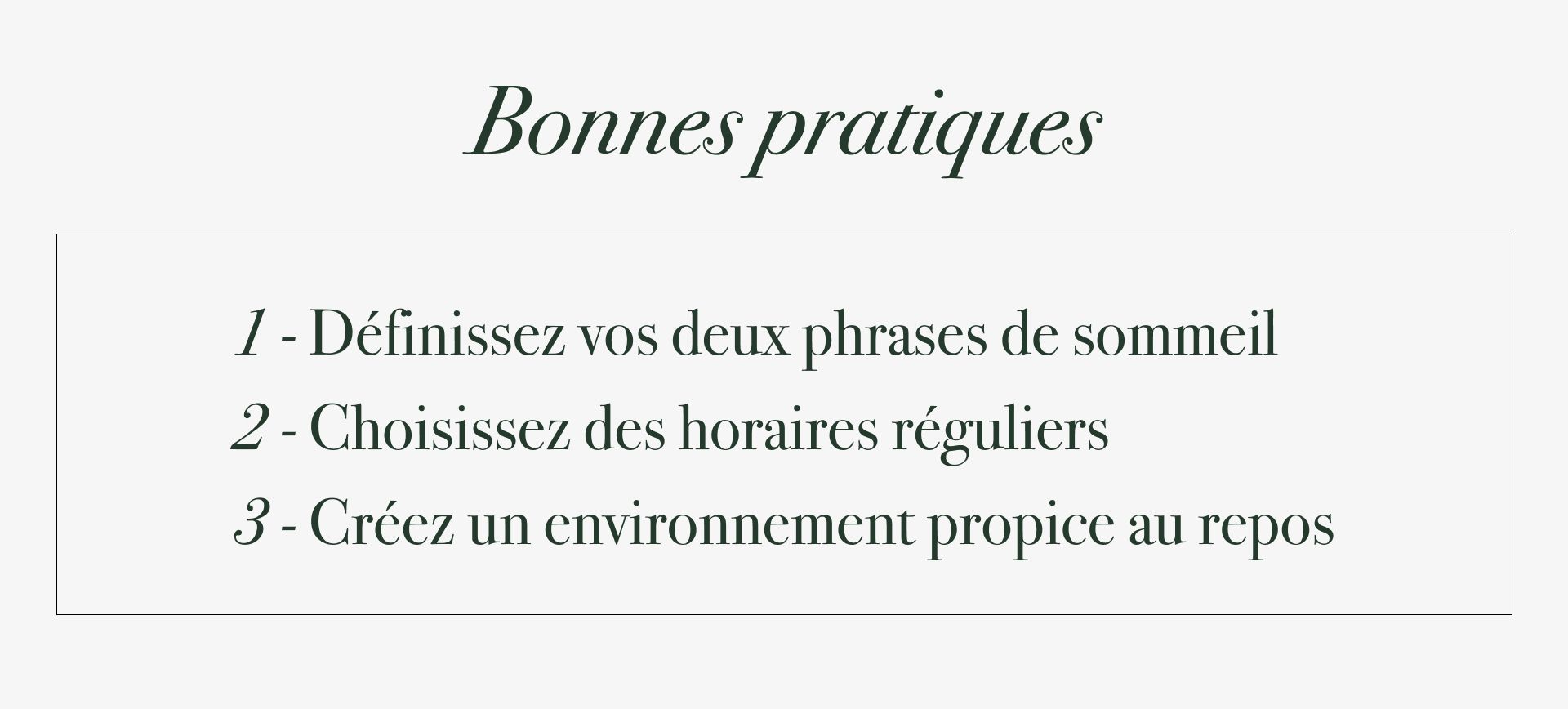
Adopting a biphasic sleep schedule requires establishing a clear and consistent routine to maximize the benefits of both sleep phases. Here are a few steps to get started:
1. Identify your two sleep stages
• An initial main phase, usually at night, lasting 4 to 6 hours.
• A second phase, often during the day, in the form of a 1- to 2-hour nap.
2. Choose regular times
The key to getting a good night’s sleep using this model is consistency. Set regular times for each phase and let your body naturally align with its biological rhythm.
3. Create an environment conducive to rest
• Make sure your bed is comfortable and suited to your needs. For example, a natural mattress like those offered by Kipli can help optimize the quality of each sleep cycle.
• Reduce artificial light before bedtime to help you fall asleep.
Respecting Your Body Clock

When adopting a biphasic sleep schedule, you should follow your body’s natural signals. Here are a few tips for adjusting your biological clock:
• Get some natural light: In the morning, exposure to natural light can strengthen your circadian rhythms and help you start your day.
• Limit distractions before bedtime: Reduce screen time and stimulating activities later in the day to promote light, slow-wave sleep at the beginning of the sleep cycle.
• Listen to your body: Adjust your rest periods to your body’s natural signals by scheduling your sleep periods for times when you feel the greatest need to sleep.
Overcoming the Initial Challenges
During the first few weeks, you may feel a bit tired or have trouble falling asleep with your new schedule. Here are a few tips to make the transition easier:
• Opt for calm activities between sleep cycles: Reading, meditation, or gentle activities can help you drift back to sleep peacefully.
• Avoid stimulants like coffee after your first sleep cycle, especially if you plan to take an afternoon nap.
Over time, your body clock will adjust, and you'll be able to take full advantage of this sleep pattern.
Sleep Stages and Their Importance
Understanding the Types of Sleep: Slow-Wave, Deep, and REM Sleep

For biphasic sleep to be effective, it is essential to understand the different phases that make up a sleep cycle and their role in recovery:
• Light sleep: The first stage of the sleep cycle, it marks the transition from wakefulness to rest. During this stage, the body begins to relax, the heart rate slows, and the body prepares to fall asleep.
• Deep slow-wave sleep: This phase, which often predominates during the first part of the night, is crucial for physical recovery and cell regeneration. It is during this phase that the body strengthens its immune system and releases essential hormones.
• REM sleep: Associated with dreaming, it plays a key role in information processing and memory consolidation. It occurs more frequently during the second half of the night or during the second phase of biphasic sleep, and is essential for mental health and creativity.
In a biphasic sleep model, each sleep period should ideally include a balanced distribution of these phases to ensure complete and restorative rest.
Sleep Cycle and Overall Balance
The sleep cycle, which lasts an average of 90 minutes, is structured to allow the body and mind to function optimally. In biphasic sleep, this cycle repeats during each rest period. The first period often consists primarily of deep, slow-wave sleep, while the second places greater emphasis on REM and light sleep.
However, disrupting this balance—for example, by making one of the two phases too short—can lead to an imbalance and symptoms associated with sleep deprivation, such as fatigue, irritability, or difficulty concentrating. It is therefore crucial to ensure you get the total amount of sleep needed, which is between 7 and 8 hours spread across the two phases.
Sleeping in Two Phases: An Alternative Worth Exploring. Biphasic sleep isn’t just a relic of the past—it’s an opportunity to rethink how we spend our nights. Why not explore this alternative and see if it can transform your days? Check out our article on polyphasic sleep for more inspiration.