


From the Kipli team, specialists in natural bedding since 2018.
At age 25, you fall asleep in a few minutes, sleep through the night, and rarely wake up during the night. At age 45, it takes longer to fall asleep, you find yourself waking up in the middle of the night, and you sometimes wake up just as tired as when you went to bed. This isn’t just a feeling, nor is it a matter of poor lifestyle habits: aging profoundly alters the architecture of sleep, and these changes begin well before retirement—often as early as one’s forties. People over 40 don’t sleep less because of a lack of discipline. They sleep differently, for specific biological reasons that chronobiology now explains clearly.
Sleep Mechanisms That Change With Age

Imagine sleep as a multi-story house. On the ground floor is light sleep—easy to reach but not very restorative. On the upper floor is deep sleep, where the body truly recovers. As we age, the elevator that takes us to the upper floors works less and less well. We spend more time on the ground floor, wake up at the slightest noise, and the deeper levels become less accessible.
Biologically, sleep consists of cycles of approximately 90 minutes, alternating between light sleep, deep sleep, and rapid eye movement (REM) sleep. It is during the deep sleep phases that most of the body’s recovery takes place: cell repair, memory consolidation, hormonal regulation, and strengthening of the immune system.
Starting in one’s thirties—and much more markedly after age 40—the proportion of deep sleep in each cycle decreases. A 25-year-old spends about 20% of the night in deep sleep. By age 50, this proportion often drops below 10%. The night lasts just as long, but its quality has changed. Nighttime awakenings become more frequent, sleep becomes fragmented, and the sleeper wakes up feeling less rested, sometimes without understanding why.
"Ever since I turned 43, I've consistently woken up around 3 a.m. I don't remember anything in particular, I'm not stressed, but I can't fall back asleep for at least an hour. It took me a while to realize that this was a biological issue, not a psychological one." — Testimonial from Florence L
Melatonin, cortisol, GH: three key hormones
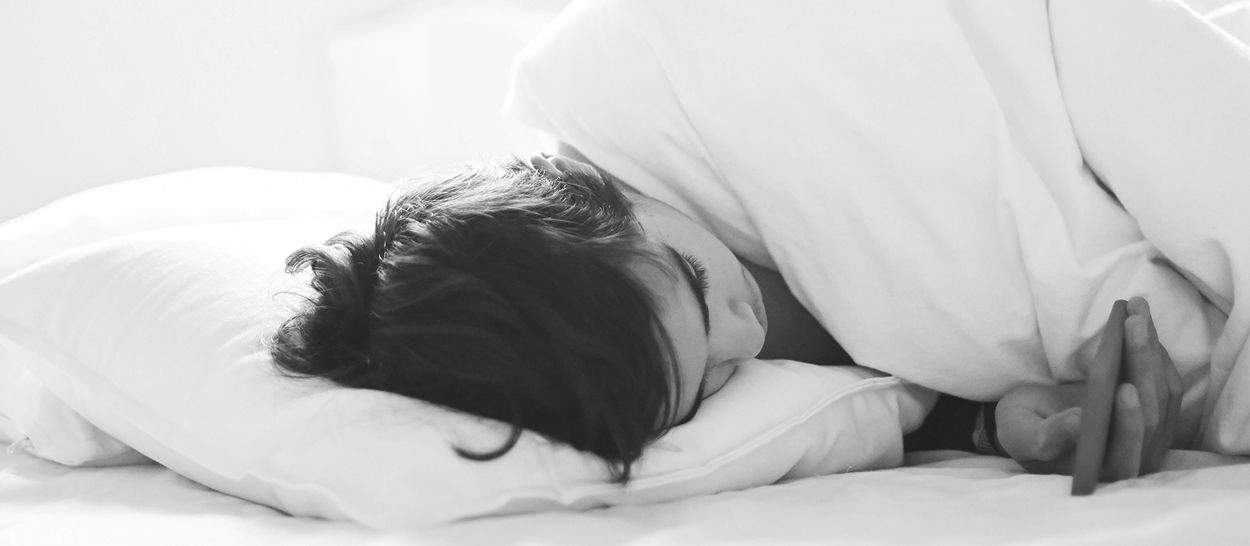
If sleep changes as we age, it is largely because the hormones that regulate it change. Three of these hormones play a central role, and their decline accounts for most of the complaints people report after age 40.
Melatonin: The Sleep Switch
Think of melatonin as a biological switch. In the evening, when the light dims, the switch turns on and the body receives the signal to fall asleep. As we age, this switch becomes less and less responsive. Melatonin production declines after age 40; some studies estimate that it may be reduced by 50% by age 60 compared to age 20. The result: it takes longer to fall asleep, nighttime awakenings become more frequent, and sensitivity to screens in the evening increases. A lit screen at age 50 disrupts sleep much more than it does at age 25.
Cortisol, the hormone that wakes you up at 4 a.m.
Cortisol, often called the stress hormone, normally follows a specific cycle: very low at night, high in the morning to help you wake up. As we age, this cycle becomes disrupted. Nighttime cortisol levels rise slightly, disrupting deep sleep stages and causing awakenings in the second half of the night, often between 3 a.m. and 5 a.m. The sleeper finds themselves awake, slightly restless, for no apparent reason, and unable to fall back asleep. This hormonal mechanism is almost always the cause.
Growth Hormone (GH): The Nighttime Repairer
Growth hormone is secreted primarily during deep sleep. It repairs muscles, regulates metabolism, and boosts immunity. Its production gradually declines starting in one’s thirties, with the rate of decline accelerating after age 45–50. Chronic lack of deep sleep drastically reduces nighttime GH levels, which explains slower recovery after exercise, persistent fatigue upon waking, and the feeling of “aging faster” than expected.
Menopause and Sleep
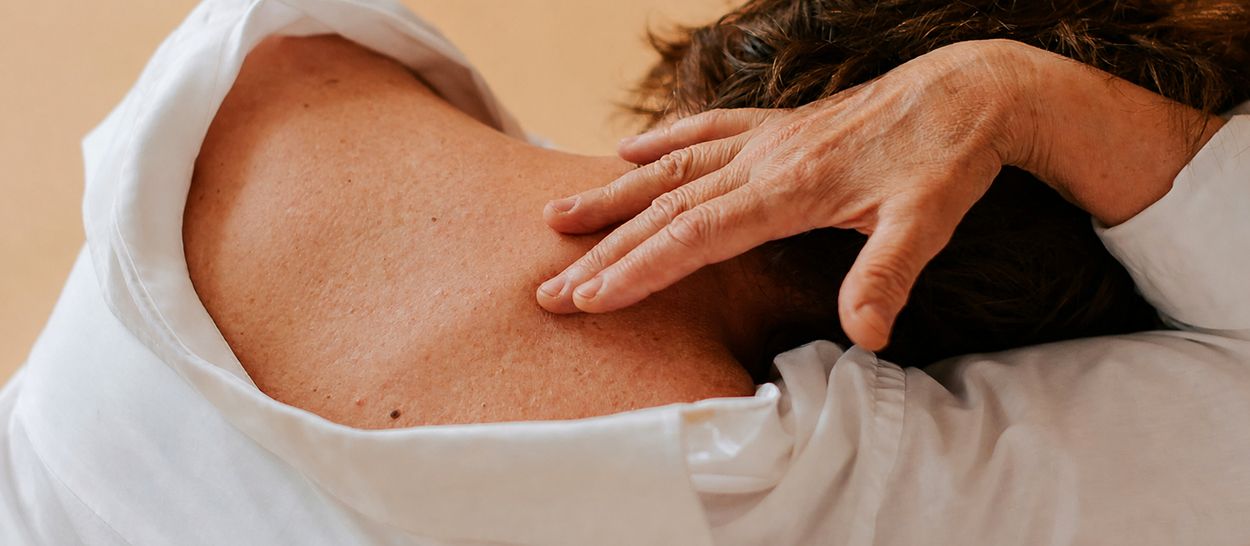
For women, menopause marks a major turning point. The drop in estrogen and progesterone—two hormones that have a natural calming effect—significantly disrupts the mechanisms that help us fall asleep. Hot flashes wake women up several times a night, night sweats interrupt sleep cycles, and hormonal anxiety makes it even harder to fall back asleep.
Chronobiology also explains why women wake up earlier after menopause: their internal clock shifts to increasingly earlier times, and women find themselves awake as early as 5 a.m., even after going to bed late. Over several years, this chronic reduction in sleep has a profound impact on daytime energy levels.
Key statistic: More than 60% of women in perimenopause report significant sleep disturbances. Chronic insomnia is two to three times more common in women over 50 than in men of the same age. These mechanisms are hormonal, not psychological.
Chronic Illnesses and Pain: The Little-Known Impact on Sleep
Aging is often accompanied by the onset of chronic conditions that, while not directly causing sleep disorders, profoundly impair sleep quality. This issue is rarely discussed, even though it affects a large proportion of people aged 40 and older.
Type 2 Diabetes
Nighttime blood glucose fluctuations significantly disrupt sleep. Hyperglycemia can cause frequent urges to urinate at night (nocturia), interrupting sleep cycles. Hypoglycemia causes waking with a feeling of discomfort or sweating. Furthermore, insulin resistance is associated with an increased risk of sleep apnea. Poor sleep, in turn, worsens insulin resistance—a well-documented vicious cycle.
Chronic Pain
Osteoarthritis, chronic lower back pain, and age-related joint pain: these pains do not go away at night. They cause repeated brief awakenings, prevent you from reaching deep sleep stages, and lead to chronic fatigue despite what appears to be sufficient sleep. An unsuitable mattress exacerbates these pains; pressure points on the hips, shoulders, or lower back build up over several hours, disrupting sleep without the sleeper even realizing it.
Anxiety and Depression
The prevalence of mood disorders increases with age. Generalized anxiety and depression are two of the most common causes of chronic insomnia in people over 40. They prolong the time it takes to fall asleep, fragment sleep cycles, and reduce REM sleep—which plays a key role in emotional regulation. Treating the underlying disorder generally improves sleep much more effectively than managing nighttime symptoms in isolation.
Medications
Many medications commonly prescribed after age 40 can have side effects that affect sleep: certain antihypertensives, beta-blockers, diuretics, antidepressants, or corticosteroids can disrupt sleep cycles, cause you to wake up, or alter the structure of REM sleep. If your sleep problems began at the same time you started taking a new medication, talk to your doctor.
Sleep Apnea: The Underdiagnosed Disorder

Sleep apnea is one of the most common disorders in people over 40, and one of the most frequently misdiagnosed. It is characterized by repeated pauses in breathing during the night—sometimes dozens or even hundreds of times—which cause brief awakenings that the sleeper has no memory of in the morning.
The typical profile: someone who gets “enough” sleep but wakes up exhausted, dozes off during the day, snores loudly, and sometimes experiences morning headaches. This clinical picture is often attributed to stress or age, even though an appropriate diagnosis and treatment (CPAP machine, mandibular advancement device) can radically transform sleep quality.
Sleep apnea is more common in men over the age of 40, but its prevalence increases significantly in women going through menopause. A sleep specialist can make a diagnosis within a few weeks using polysomnography, an outpatient test performed at home.
Changes in Chronotype After Age 40
Your chronotype—your biological preference for bedtime and wake-up times—does not remain stable throughout your life. During adolescence, it shifts toward the evening (teenagers aren’t lazy; they’re biologically programmed to fall asleep late). After age 40–50, the trend reverses: the internal clock gradually shifts toward earlier times.
People who could easily stay up until midnight at age 30 find themselves exhausted by 9:30 p.m. by the time they’re 50. They wake up at 5 a.m. without having decided to do so. This phenomenon is universal, documented across all cultures, and there’s nothing to correct. The problem arises when social and professional obligations force people to go to bed late even as their biological wake-up time moves earlier: the amount of actual sleep shrinks year after year, leading to chronic sleep debt. To better understand your own biological profile, you can identify your chronotype and adjust your schedule accordingly.
Are these problems inevitable as we get older?

No. The biological changes are real, but their impact varies considerably depending on the individual and their habits. Active 65-year-olds with good sleep hygiene and appropriate bedding may enjoy much more restful nights than sedentary, stressed-out 42-year-olds.
Aggravating factors: Chronic lack of physical activity, drinking alcohol in the evening, caffeine after 3 p.m., screen time in the evening, unmanaged chronic stress, a bedroom that is too warm, bedding that does not suit one’s body type, irregular bedtimes, and untreated chronic pain.
Protective factors: Regular physical activity, natural light in the morning, consistent bedtime, a cool, dark bedroom, natural and appropriate bedding, consistent wake-up times (including weekends), stress management (CBT, meditation), and treatment of underlying medical conditions.
6 Practical Tips for Better Sleep After Age 40
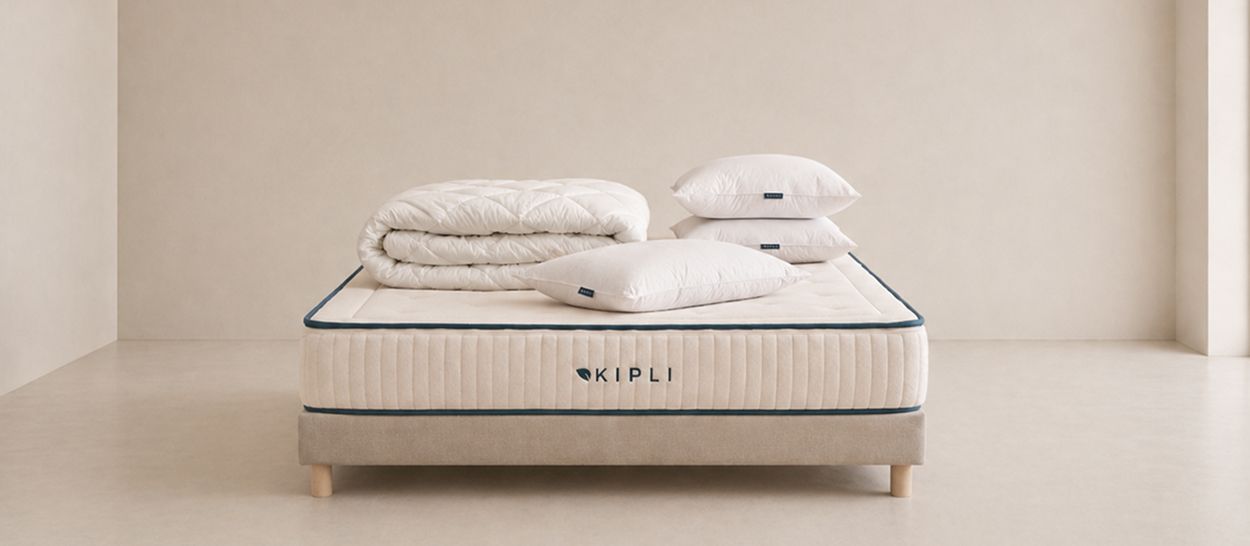
1. Regulate the room temperature. Body temperature must drop by 0.5 to 1°C for deep sleep to set in. The recommended range for the bedroom is between 17 and 19°C. As we age, our body’s ability to regulate temperature at night becomes less efficient; we sweat more easily, wake up to uncover ourselves, and then have trouble falling back asleep. A season-appropriate comforter made of organic cotton or linen helps maintain a stable temperature throughout the night.
2. Choose a mattress that suits your current body type. An unsuitable mattress creates pressure points during the night that lead to micro-awakenings—moments you’re not aware of but whose effects you feel in the morning. This phenomenon becomes more pronounced after age 40, along with joint pain. A natural latex mattress gradually adapts to the body’s contours without sagging over time, reducing these interruptions and improving your energy levels the next day. Before investing in sleeping pills, invest in your bedding.
3. Respect your new chronotype. If you fall asleep at 9:30 p.m. when you used to stay up until midnight at age 30, it’s your biology changing—not a step backward. Resisting the urge to go to bed increases your sleep debt and desynchronizes your circadian clock. Accepting your current chronotype and adjusting your schedule accordingly is one of the most effective ways to improve your sleep.
4. Get some natural light first thing in the morning. Going outside within 30 minutes of waking up—even on cloudy days—sends a powerful signal to your circadian clock and improves melatonin secretion in the evening. This simple habit is one of the best-documented ways to fall asleep more easily and reduce nighttime awakenings. You don’t need direct sunlight—even diffused outdoor light is enough.
5. Cut back on alcohol in the evening, even in small amounts. Alcohol makes it easier to fall asleep at first, but disrupts sleep cycles during the second half of the night. REM sleep is reduced, awakenings become more frequent, and the sleeper wakes up feeling less rested. This effect becomes more pronounced with age. Even two drinks in the evening can significantly impair the quality of deep sleep. Trying a week without alcohol in the evening is often enough to gauge the impact.
6. Seek medical advice if symptoms persist: Unexplained chronic fatigue, repeated nighttime awakenings, excessive daytime sleepiness, or severe snoring—consult a sleep specialist. Cognitive-behavioral therapies for insomnia (CBT-I) have been shown to be more effective than sleeping pills in the long term, with no risk of dependence and no side effects. A diagnosis of sleep apnea, if made, can radically improve sleep quality.
Kipli, of course.
Written by the Kipli team, specialists in natural bedding since 2018. This article draws on research in chronobiology, sleep endocrinology, and geriatric medicine, including the work of Matthew Walker, Till Roenneberg, and publications by the Sleep Research Society. It is not a substitute for medical advice.