


In June, the sun sets after 9:30 p.m. in France. In July, it’s still light out at 10 p.m. In August, twilight lingers and dawn comes early. It’s not just a backdrop—it’s a signal that your brain registers, hour after hour, and that profoundly reshapes the way you sleep, wake up, and recover. Summer affects our biology more radically than we realize.
The circadian clock
The biological clock: an ancient mechanism disrupted by the seasons
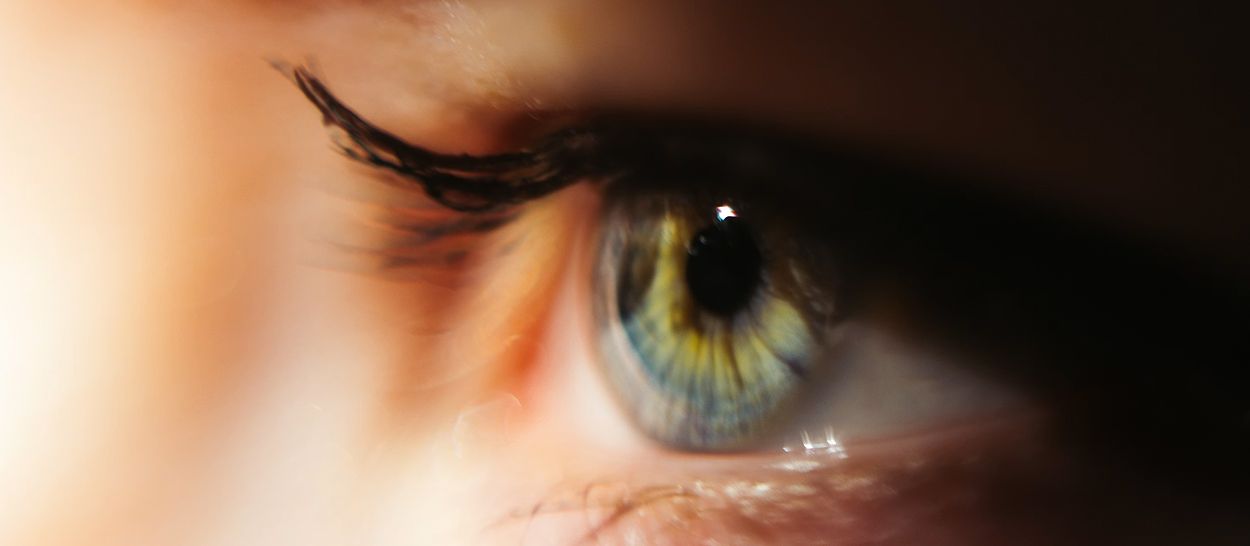
The human body is governed by an internal clock—the circadian clock—whose natural cycle is approximately 24 hours. This clock regulates just about everything: hormone secretion, body temperature, alertness, digestion, and, of course, sleep. Its primary conductor is light.
Located in the hypothalamus, a brain structure called the suprachiasmatic nucleus, this clock receives light signals directly through the retina. It uses this information to synchronize the entire body with the daily rhythm. The problem is that it has evolved over millennia based on relatively stable sunrise and sunset times—not on bright evenings that stretch until 10 p.m. in the middle of July.
When daylight lasts longer, the body’s internal clock interprets the signal as an invitation to stay awake. The production of melatonin, the sleep hormone, is delayed. The body prepares to sleep later. And if the social constraint (waking up the next morning) remains the same, sleep time is automatically shortened. The relationship between light and sleep is one of the most direct in our biology.
The suprachiasmatic nucleus
This structure, about the size of a grain of rice and nestled in the hypothalamus, is the body’s circadian “pacemaker.” It receives light signals from the retina via the optic nerve and translates them into hormonal signals to synchronize all of the body’s peripheral clocks—the liver, lungs, skin, and intestines. In the summer, it is literally “reprogrammed” by the longer days.
Short Nights
What Short Summer Nights Really Do to the Brain
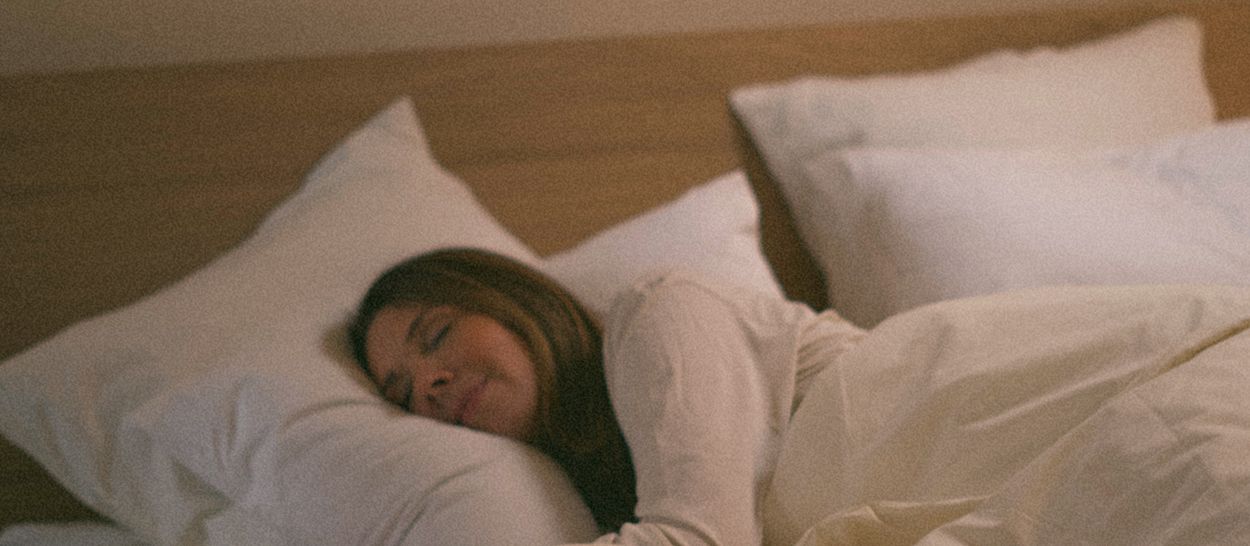
In the middle of summer, one in two adults in France sleeps less than seven hours a night, even though the medical recommendation for most people is seven to nine hours. These short nights are not simply a seasonal inevitability with no consequences.
On Physical Recovery
Deep sleep —the most restorative phase, during which the body repairs its tissues and releases growth hormone—occurs primarily during the first half of the night. A night that is two hours shorter significantly reduces the duration of this period, with effects that accumulate over several weeks. Understanding the four phases of sleep and their impact on nighttime recovery helps explain why this reduction is not insignificant.
On Memory and Cognition
REM sleep, which is concentrated in the second half of the night—the part we lose when we go to bed too late—plays a central role in consolidating learning and regulating emotions. Nights shortened by the late summer twilight deprive the brain of this essential phase. Research has documented this effect: less REM sleep is correlated with increased irritability and poorer cognitive performance in the hours following waking.
On Appetite and Weight
Shorter periods of wakefulness disrupt the hunger hormones ghrelin and leptin, leading to an increased appetite, particularly for sugary and high-calorie foods. This effect has been documented in studies on nutritional chronobiology and is particularly pronounced in people whose sleep schedules vary from week to week.
Chronotypes
Chronotypes and Summer: Inequalities in the Face of Long Days

Not everyone reacts the same way to long summer days. Your chronotype —that natural tendency to be more of a morning or evening person—largely determines your susceptibility to summer disruptions.
Night owls: the most vulnerable group
Night owls are most at risk in the summer. The late afternoon light amplifies their natural tendency to stay up late. They often go to bed after midnight but have to get up early due to work demands—this is what researchers call “social jet lag,” a chronic mismatch between the biological clock and the social clock.
Early risers: another type of disruption
Paradoxically, morning chronotypes are less affected by long evenings. However, they can be disrupted by waking up very early due to natural light at 5:30 a.m. in July. Waking up early because of the sun after a night that’s already too short exposes them to a premature cortisol spike, which exacerbates fatigue in the hours that follow.
Age as an aggravating factor
Teenagers naturally have late chronotypes, which makes short summer nights particularly detrimental to their recovery. As people age, their chronotype tends to shift earlier, but the quality of deep sleep decreases, making these shortened nights all the more harmful. For women going through menopause, hormonal changes compound the circadian disruptions of summer, leading to nighttime insomnia specific to this situation. Our article on why sleep quality declines after age 40 discusses these mechanisms in detail.
Heat and Sleep
Summer Heat and Sleep: The Second Factor Not to Be Overlooked
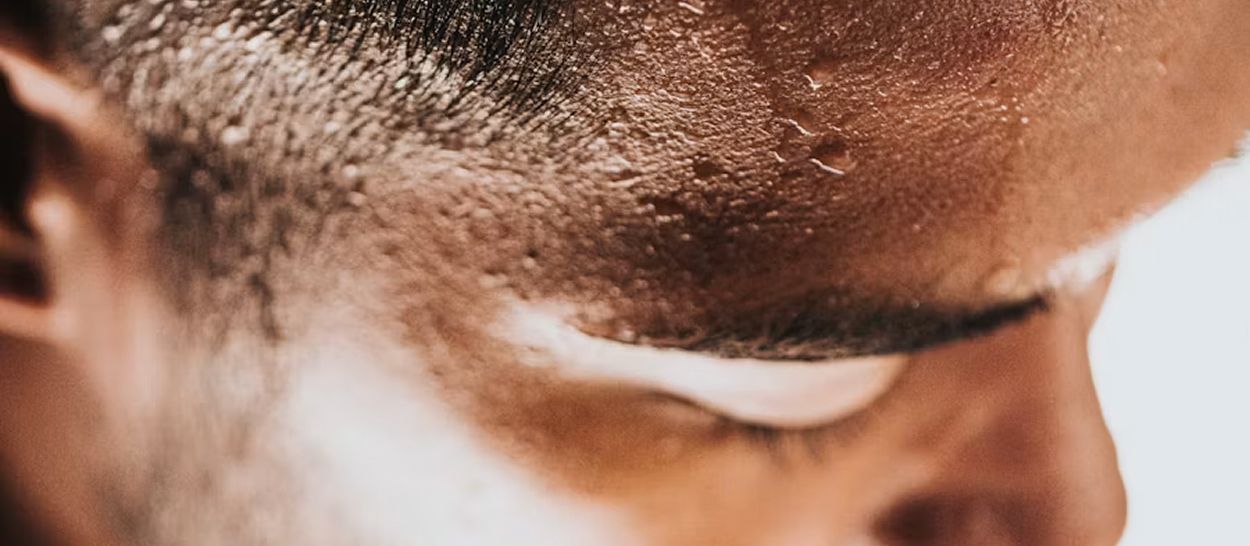
The circadian clock regulates body temperature according to a specific cycle: body temperature naturally drops at bedtime, reaches its lowest point around 4 a.m., and then gradually rises again as we wake up. This drop in body temperature is a key signal that triggers sleep. This is whya lukewarm bath before bed helps you fall asleep faster: it accelerates the release of heat through the skin.
In the summer, hot nights prevent this natural cooling process. A bedroom temperature above 19°C makes it harder to fall asleep and shortens the duration of deep sleep. The body spends more time in light sleep trying to regulate its temperature, resulting in less restful sleep. Our guide on heat and sleep in the summer and on the ideal bedroom temperature provides practical solutions.
Mental Health
The Impact on Mental Health
The relationship between daylight hours and mental health has long been documented. In winter, reduced light exposure can trigger seasonal depression. In summer, a lesser-known opposite effect occurs: prolonged exposure to light combined with nights that are too short can disrupt the balance of serotonin and melatonin, causing some people to experience hyperactivity, irritability, or mild anxiety.
This phenomenon particularly affects people living at high latitudes, where the contrast between very long summer days and short nights is most pronounced. In Scandinavia, sleep disturbances linked to the midnight sun are well documented, but these effects are also present, albeit to a lesser extent, at French latitudes in July and August. To understand how seasonal changes affect your sleep more broadly, check out our dedicated article; this scientific guide can also be a useful addition to your understanding.
Hormonal Biology
How Summer Affects Our Hormonal System
Melatonin, often called “the darkness hormone,” is produced by the pineal gland as soon as the retina detects a decrease in light. In the summer, this production is delayed—sometimes by as much as two hours compared to winter. The chemical signal that prepares the body for sleep therefore arrives later in the evening. And if you’re exposed to bright screens in the evening on top of long days, this effect is amplified even further— light management is the most direct way to influence this circadian rhythm.
At the other end of the cycle, cortisol—the hormone that signals wakefulness, secreted early in the morning—can be disrupted by early awakenings triggered by natural light. Waking up at 5:30 a.m. due to sunlight after a short night’s sleep leads to a premature spike in cortisol, which exacerbates fatigue in the hours that follow and fuels a vicious cycle of poor recovery over several weeks.
Practical Tips
Five Practical Tips for Getting a Good Night's Sleep in the Summer
- Manage lighting in the evening. Dim the lights indoors and avoid screens in the hour before bedtime. Blackout curtains or a sleep mask can block out residual light from summer twilight. This simple step has a direct impact on melatonin secretion and the time it takes to fall asleep.
- Maintain a consistent bedtime. Even if the sun is still high in the sky at 9 p.m., your biological clock needs consistency to function properly. Pushing your bedtime back by two hours every weekend creates a form of “social jet lag” that builds up over weeks. Consistency in your sleep schedule is the most effective way to ensure quality rest.
- Rafraîchir activement la chambre. Ouvrez les fenêtres la nuit quand la température extérieure baisse, et fermez-les en journée. Un matelas respirant comme le latex naturel, dont la structure alvéolaire dissipe la chaleur corporelle réduit significativement la sensation de chaleur nocturne. Notre guide sur dormir au frais l'été avec un matelas en latex naturel détaille ce mécanisme.
- Soigner le rituel du soir. En été plus qu'en toute autre saison, la transition entre l'activité de la journée et le coucher a besoin d'être consciente. La luminosité tardive maintient souvent le système nerveux en état d'éveil. Un rituel du soir structuré lecture, respiration, bain tiède signal au cerveau que la phase d'éveil est terminée, même quand le ciel est encore clair.
- Expose yourself to morning light. Paradoxically, getting plenty of natural light in the morning helps your circadian rhythm shift to an earlier schedule, making you feel the need to go to sleep earlier in the evening. Ten to fifteen minutes of natural light within an hour of waking up is one of the most effective chronobiological tools for resetting a disrupted circadian rhythm.
Kipli, of course.
Written by the Kipli team, specialists in natural sleep since 2018.