

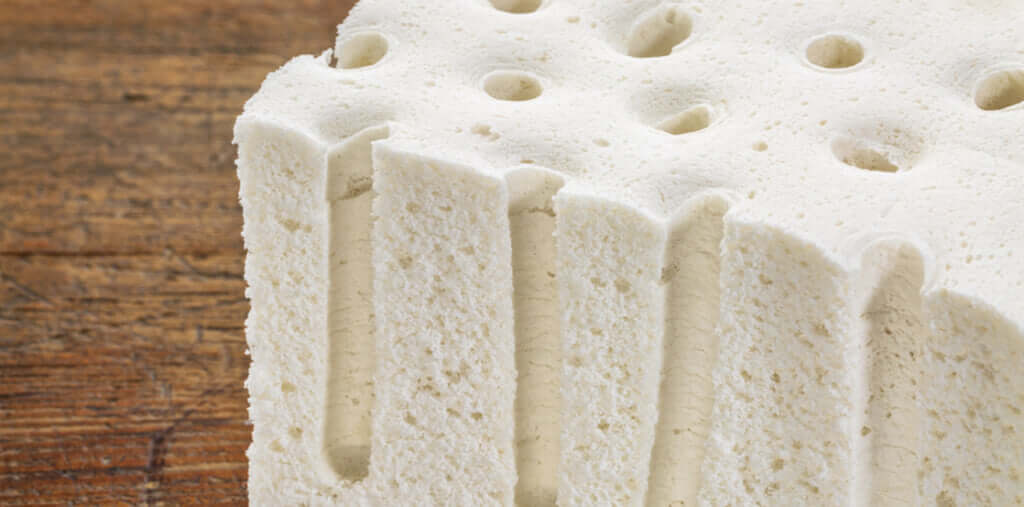
Choosing the right mattress is challenging enough, but when you add the desire to choose an organic one, things get even trickier. Whether it’s an organic mattress made of natural latex, eco-friendly foam, or wool, there was a time when such products didn’t even exist.
But as environmental concerns have become increasingly pressing and debates over the harmfulness of traditional mattresses have grown more heated, new solutions have emerged to benefit both human health and the planet.
By purchasing an organic mattress, you can say goodbye to materials packed with chemicals and hello to all-natural options. The organic natural latex mattress seems to be the darling of these new choices available to consumers.
If you're interested in maintaining your health and would like more information on how to choose the right organic latex mattress, you've come to the right place.
Good Reasons to Choose an Organic Latex Mattress
Before we even get into the criteria to consider when choosing an organic latex mattress, let us remind you of the good reasons to choose an organic mattress—which will also help you better select the organic and eco-friendly mattress that meets your needs.
The Health Effects of Conventional Mattresses
A traditional mattress—and especially one with foam filling—is a product made from processed synthetic material that has undergone chemical treatments (anti-dust mite, anti-mold, flame-retardant, etc.). While a mattress is an essential piece of bedding for a good night’s sleep (if it’s suited to the sleeper’s body type) and therefore for our health, the composition of a traditional mattress undermines the very appeal of a restful night’s sleep.
According to numerous studies on the health risks posed by mattresses, it has been proven that synthetic mattresses release volatile organic compounds (VOCs) into the air in varying amounts. Topping the list are foam-filled mattresses, which are the best-selling type in France due to their low price.
This type of mattress is thereforepotentially harmful to health when used daily and over the long term, because:
- It is believed to cause throat and nasal irritation and headaches due to the release of VOCs, and even more so at night while sleeping because of the lack of ventilation in the bedroom;
- it may be carcinogenic in cases of high exposure;
- It could cause allergies in the long term, particularly in children.
Finally, a foam-filled mattress (compared to pocket-spring mattresses) does not allow the bedding to breathe properly, thus trapping moisture (from ambient air and water evaporating from the body during sleep) deep within the mattress, which can lead to health problems such as mold or an abnormal proliferation of dust mites. Not to mention the environmental impacts resulting from their production, use, and so-called recycling.
Organic Mattresses: An Alternative for Healthy Sleep
Why is an organic mattress healthier than a traditional mattress? Because an organic mattress (made of natural latex, organic foam, eco-friendly cotton, etc.) is primarily made of natural materials that have undergone no (or very little) chemical treatment. As a result, no volatile organic compounds are released into the air you breathe at night while you sleep.
In addition, an organic and eco-friendly mattress has natural antibacterial properties, as well as anti-mite and thermoregulatory properties, thanks to the mattress's optimal ventilation.
But be careful—not everything can call itself “organic”! In fact, for a mattress to be classified as organic, it must meet strict specifications that take into account both its composition and its production process, which must be ethical and environmentally friendly —just like a food product from organic farming. Only organic certification guarantees healthy quality, such as the Global Latex Standard (GOLS) or Eurolatex for natural latex.
It’s also important to note that an eco-label —such as the Oeko-Tex label—does not necessarily mean that the product is organic. These labels guarantee that the mattress is made exclusively from natural materials (whether organic or not), but the production method is given little consideration in the quality criteria.
"Eco-friendly mattresses" and "organic mattresses" are therefore two different concepts.
Criteria for Choosing the Right Organic Latex Mattress
Reading the above has therefore made you aware of one of the first criteria to consider when choosing an organic latex mattress: organic certification or labeling.
Don't rely solely on marketing slogans, because some sellers use their skills to mislead customers into buying synthetic mattresses as if they were organic or natural—at exorbitant prices. When it comes to latex mattresses, keep in mind that there are two types: synthetic latex, produced by the polymerization of petroleum derivatives and treated with harmful chemicals (and therefore not organic), and natural latex, derived from the organic cultivation of rubber trees.
You should therefore opt for a natural latex mattress, but be careful: just because a mattress is labeled “natural” doesn’t mean it’s organic—or even 100% natural—since its composition may be a blend of synthetic materials and natural latex. Be sure to check its composition and look for an organic certification label.
By doing this research, you’ve already narrowed down the available brands significantly. Now, let’s see how to choose the organic latex mattress model that’s right for you.
As with any mattress, your body type determines the density (firmness) that will provide you with the best comfort and optimal support for your body while you sleep.
The density of a mattress, regardless of its filling, depends on three factors.
- The core of the mattress is the base layer that provides support for the body (100% latex or latex combined with natural fibers such as coconut or bamboo for an organic latex mattress).
- The mattress filling determines how well the mattress conforms to the body and its overall comfort—thanks to various firmness levels (from soft to very firm)—as well as the temperature-regulating properties of the organic latex mattress. We recommend choosing a filling that features a summer side and a winter side.
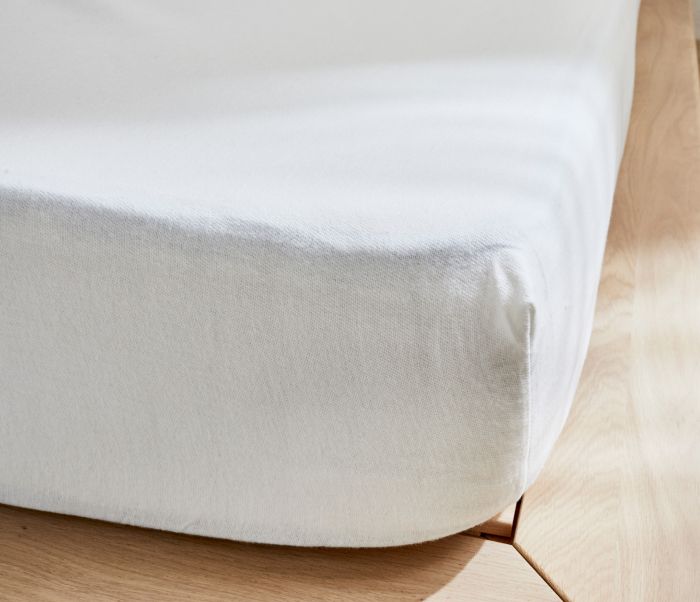
- The mattress cover is the fabric that envelops the mattress (preferably made of organic cotton microfiber) and contributes to its comfort and firmness; it can be integrated into the mattress or come as a removable, washable cover, which we recommend for hygienic reasons.
In light of the above, it is easier to understand why a mattress's thickness isn't the only factor in sleep quality—the box spring also plays an important role.
There's no secret to choosing the right firmness for you—you just have to try out the mattress. That's why online retailers now offer multi-night trial periods (up to 100 nights at Kipli).
Nevertheless, you can trust natural latex because of its elasticity, which allows the mattress to accommodate a wider range of sleepers and to adjust the level of firmness and support according to different areas of the body (up to 7 zones). This elasticity ensures that the organic latex mattress provides the independent sleeping surfaces essential for a restful night’s sleep, even when sharing the bed with a restless sleeper.
We recommend these other pages:
- What size mattress should you choose?
- Mattress Comparison
- What factors should you consider when choosing the best mattress?
- How to Choose the Firmness of a Mattress
- How to Choose a Mattress for Back Pain
- Which children's mattress should you choose?
- Which mattress brand should you choose?
- What size mattress should you choose?
- How to Choose a Natural Mattress?
- Which baby mattress should you choose?