


The color of a bedroom influences much more than just its aesthetics: it affects mood, relaxation, and evensleep quality. Some shades soothe the nervous system and make it easier to fall asleep, while others overstimulate the brain. Let’s explore together whichbedroom colorsare bestfordeep, restful sleep.
Table of Contents
- Why Color Affects Our Sleep
- Soothing Colors to Choose
- Colors to Avoid in a Bedroom
- Creating Harmony: Light, Texture, and Color
- FAQ – Choosing the Right Color for Your Bedroom
Why Color Affects Our Sleep

Colors affect both the body and the mind. According to several studies in environmental psychology, cool colors (blue, green, soft gray) lower blood pressure and heart rate, which promotes relaxation before bedtime. Conversely, stimulating warm colors (red, bright orange) activate the nervous system and delay the onset of sleep.
In other words, painting your bedroom or choosing bedding in soothing colors really helps create an atmosphere that promotes relaxation. It’s a natural approach that’s perfectly in line withKipli’s philosophy.
Soothing Colors to Choose
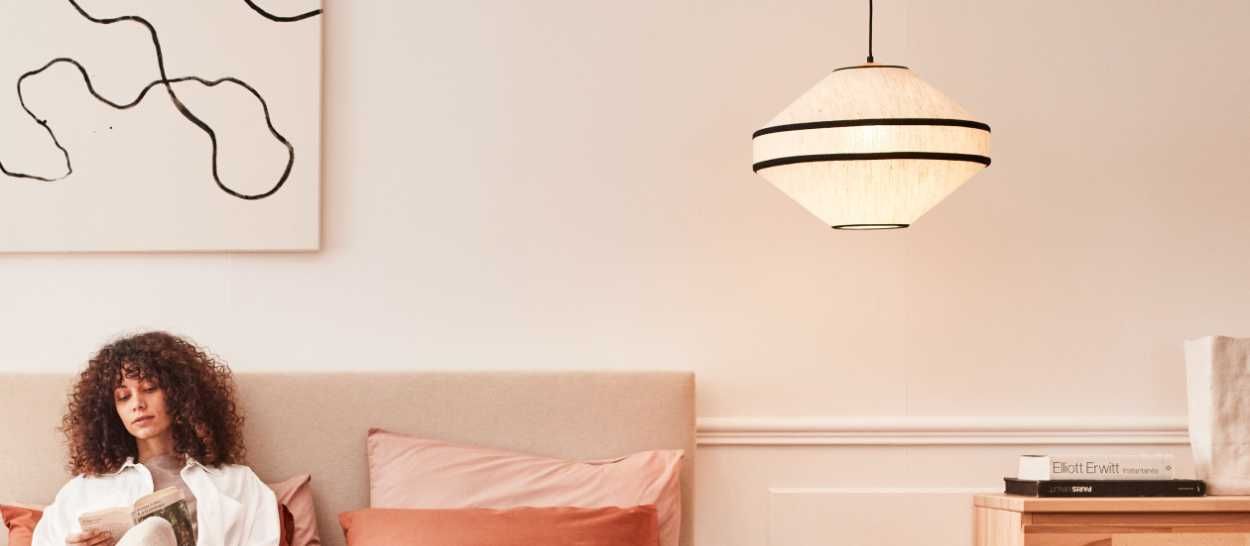
For a bedroom that promotes tranquility, opt fornatural, soft colors. Pale blue, sage green, or rosy beige evoke the elements of nature and reduce visual stress. These shades create a cozy atmosphere that’s ideal for adeep sleep.
Pair these colors with breathable materials:beddingoranatural latex mattresswill enhancethis balanced atmosphere. Visual and sensory well-being complement each other to improve sleep quality.
Colors to Avoid in a Bedroom

While some colors are elegant, they should be used with caution in the bedroom. Red, electric purple, or bright yellow can stimulate the nervous system and cause restlessness. If you like these shades, limit them to small decorative accents or a wall poster.
A bedroom designed for sleeping should, above all, inspire a sense of serenity. Opt instead for asoft terracotta, sand, or pearl gray color palette, which maintains a sense of visual warmth without disrupting the calming atmosphere.
Creating Harmony: Light, Texture, and Color

Lightplaysan essential role in completing this sense of harmony. Lighting that is too cold can disrupt relaxation, while soft lighting using natural materials promotes the secretion of melatonin, the sleep hormone. AtKipli, the lighting fixtures have been designed to complement this moment of relaxation with elegance and naturalness.
- ISEE Linen Table Lamp—emits a soft glow that’s perfect for quiet evenings and reading before bed.
- PIO Linen Table Lamp—its natural linen shade creates a cozy atmosphere, perfect for a soothing evening ritual.
- NYA Wooden Tripod Floor Lamp—a warm design and soft, enveloping light to create a cozy atmosphere in your bedroom or reading nook.
- NYNE Wooden LED Floor Lamp—a combination of natural wood and soft lighting for a calm and balanced space.
- PURE Linen Pendant Light—hung above the bed or a reading nook, it casts a natural, soft glow, perfect for creating a soothing atmosphere before bedtime.
Thesenatural Kipli lampshelpcreate theperfectcozy nook to slow down, dim the lights, and prepare your body for rest. They’re a simple and stylish way to improve the quality of your sleep while enhancing the beauty of your bedroom.
FAQ – Choosing the Right Color for Your Bedroom
Which color promotes deep sleep?
Soft blues, light greens, and natural beiges help the nervous system relax and make it easier to fall asleep.
What colors should you avoid in a bedroom?
Bright colors such as red, fuchsia, or lemon yellow are too stimulating for a bedroom designed for rest.
Can you paint a bedroom in two colors?
Yes, by balancing a soft dominant shade (blue, sand) with a subtle accent (olive green or light terracotta).
Conclusion: Calm the mind to calm the body
Choosing colors isn't just a matter of style—it's a powerful toolfor promoting well-being and restful sleep. A soft color palette, natural materials, and soft lighting create an environment where the mind can finally let go.
Of course,
The Kipli Team 🌿