

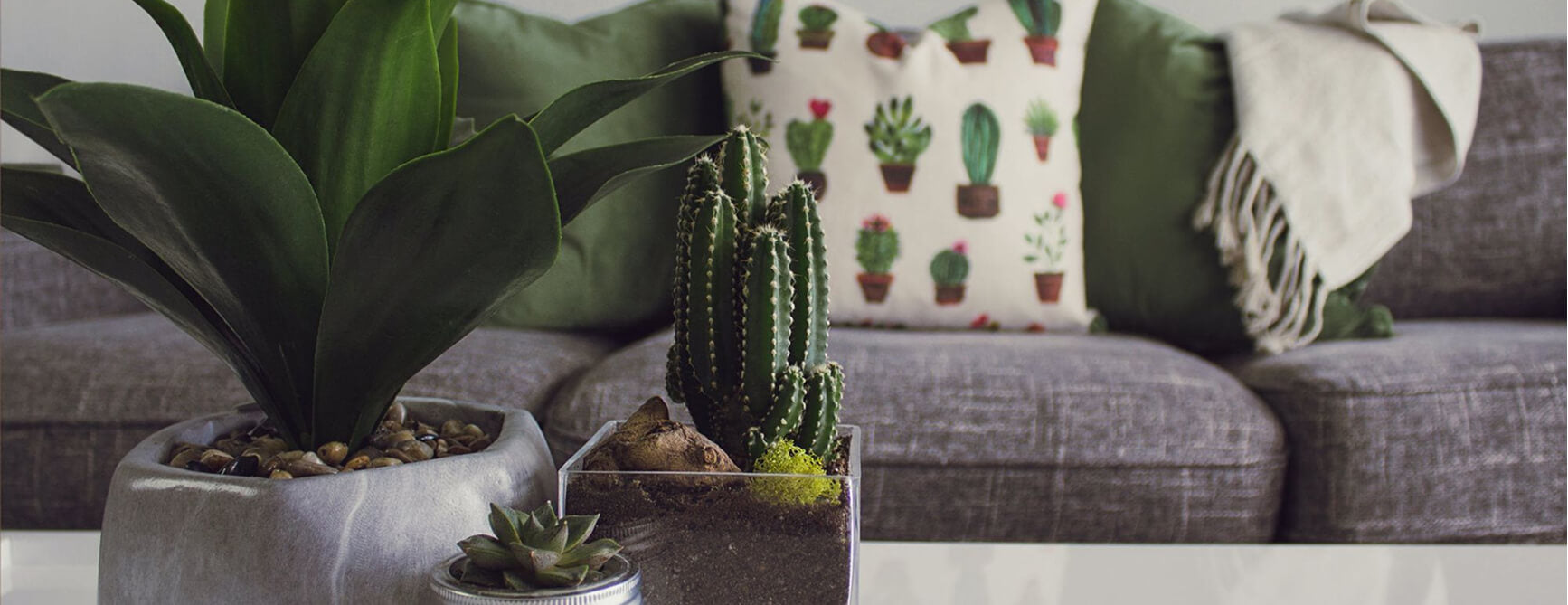
You can choose from a wide variety of materials for your sofa’s upholstery (leather, velvet, fabric, etc.). If, after weighing the pros and cons of the various options, you ultimately decide on fabric, all that’s left is to determine which fabric upholstery will be best suited to your intended use. People often think of cotton, linen, or wool, since these are natural materials that are biodegradable and fully recyclable. However, some people prefer synthetic materials, which sometimes offer interesting characteristics, such as viscose. While it may not rival natural materials in terms of performance, it does give the sofa certain properties. Find out what they are.
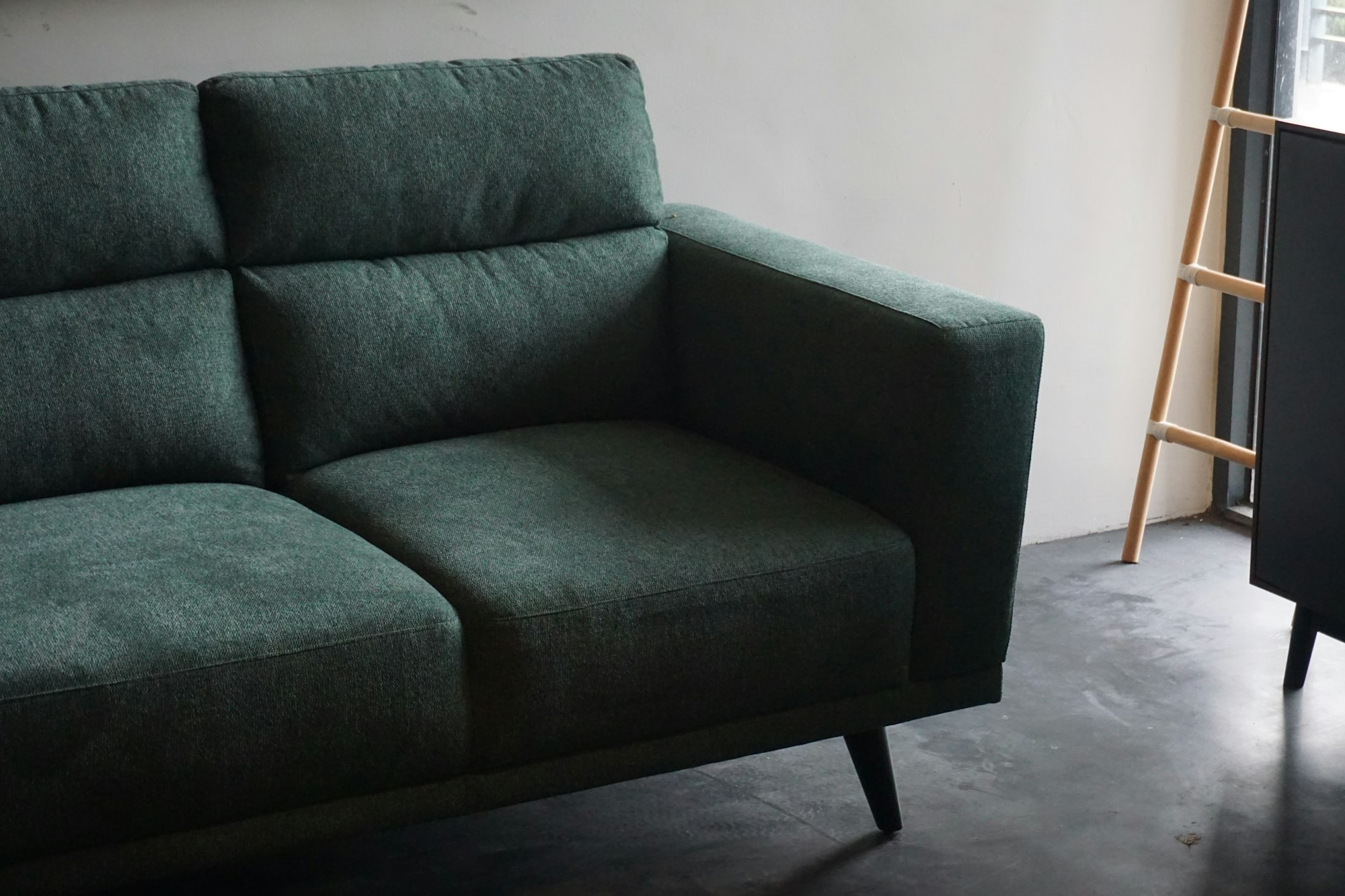
The Benefits of a Viscose Fabric Sofa
The advantages of a viscose fabric sofa stem from the very nature of the fabric. In fact, its characteristics are quite similar to those of cotton and linen. This is what reassures consumers in their choice, even though it is generally recommended to opt for natural materials—in this case, linen—which will ensure optimal comfort in everyday use.
The viscose fabric sofa is comfortable
Viscose is made from wood cellulose, a plant-based fiber derived from tree pulp. It is therefore of natural origin. However, it is considered a synthetic material because the natural fibers undergo a chemical transformation afterward. Thanks to this process, the resulting fibers are supple, fine, and soft.
In addition, viscose has a flowing appearance. As a result, it tends to be compared to silk—hence the term “artificial silk,” which is widely used in the apparel and luxury goods industries. In fact, viscose serves as a raw material for the manufacture of various garments. However, due to its versatility, it is also in high demand in the home furnishings industry.
The use of viscose as an upholstery fabric for various pieces of furniture came about naturally due to the material’s properties, which resemble those of natural textiles. Thanks to its very soft, form-fitting feel, the furniture—in this case, sofas—offers a soft and warm seating experience. You feel perfectly at ease and comfortable in them. The cocooning effect resulting from contact with this synthetic material is quite pleasant.
The viscose fabric sofa is quite durable
The reason the viscose fabric sofa is durable is due to the characteristics of viscose. In fact, synthetic fibers tend to be very durable, just like organic cotton and linen. It is the chemical processing they undergo that gives them this property, although this processing can be problematic from a health and environmental standpoint.
The durability in question primarily relates to impact resistance. Thus, even though this fabric is soft to the touch and supple—even after several washes—it does not tear and retains its shape well over time. As a result, the lifespan of a viscose fabric sofa is estimated to be about 10 years—similar to other fabric sofas—provided it is properly maintained to retain its shape.
The viscose fabric sofa is attractive
The look of viscose is undoubtedly its greatest asset. The fabric is supple, flowing, soft, and light, just like silk. So, when it comes to aesthetics, a viscose-upholstered sofa has a lot going for it. First and foremost, there’s its meticulous finish. The fabric can be ironed after washing to bring out its polished look even more. It shares this characteristic with natural fabrics like cotton and linen. But that’s not all!
Viscose enhances the vibrancy of colors because it effectively locks in dyes. This results in a shiny, shimmering effect that gives a viscose-upholstered sofa a certain flair. This type of sofa is especially sought after for adding a more dynamic touch to a simple, minimalist interior. Furthermore, this fabric comes in a variety of colors. As a result, a viscose-upholstered sofa can be easily paired with other furniture or decorative items to create a harmonious overall look.
The viscose fabric sofa is easy to care for
It is essential to regularly maintain your fabric sofa to ensure it remains comfortable to sit on and to keep it in good condition. However, to ensure your investment pays off, it is important that maintenance does not require the use of specialized products, as is sometimes the case with certain types of leather.
Caring for viscose fabric is easy:
- If the sofa has removable covers, it may be machine-washed at a maximum temperature of 40 °C;
- You should select a gentle cycle and avoid using the dryer;
- Hand washing in cold or lukewarm water with a suitable detergent is also an option for this type of fabric.
- Some models do not have removable covers: in that case, you should clean the sofa with a soft, slightly damp cloth;
- Brushing may also be necessary at times to remove accumulated dust.
The Drawbacks of a Viscose Fabric Sofa
Viscose has many advantages. That is why this material is often used in furniture manufacturing, particularlyfor sofas. However, it also has drawbacks that are not found in natural fibers. This explains why natural fibers are more popular with consumers.
The viscose fabric sofa has little elasticity
A viscose-upholstered sofa does tend to feel somewhat stiff to the touch. Not everyone is fond of this somewhat firm feel. In fact, some people prefer sofas with a plush seat.
Furthermore, because viscose has little elasticity, it may shrink slightly after several washes, but this is nothing significant enough to affect its durability over time. To address this issue, some manufacturers blend it with other materials such as cotton, linen, or wool. This blend of materials is a hallmark of “Made in France” viscose-upholstered sofas.
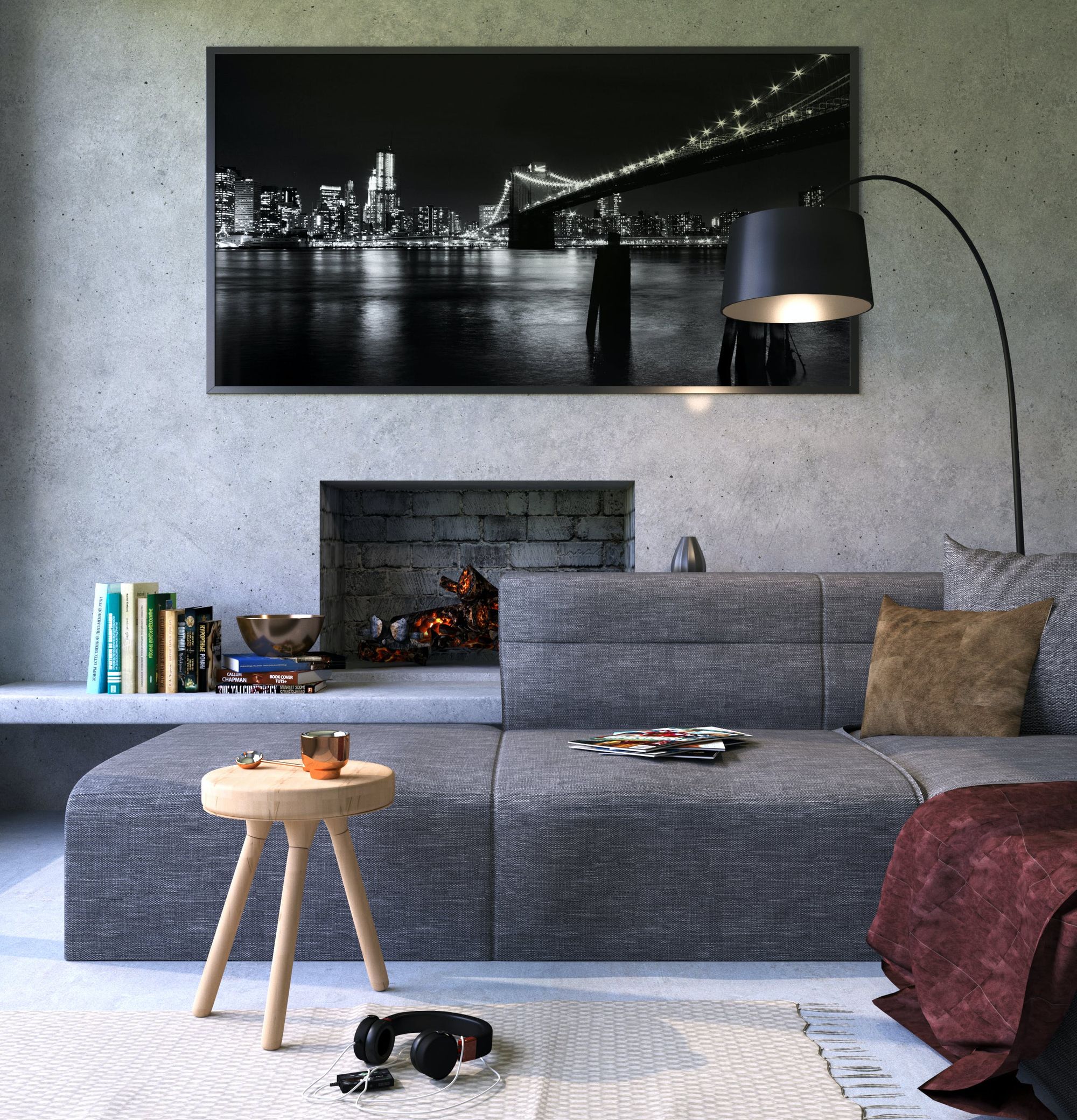
A viscose-fabric sofa does not absorb moisture well and does not provide insulation
It’s important to note that viscose is not very absorbent, unlike other materials such as organic cotton or wool. As a result, a viscose-upholstered sofa does not absorb moisture as effectively as it should. The logical consequence is that you can’t be sure you’ll stay dry. In the summer, when temperatures rise and sweating is inevitable, this can be quite problematic. Over time, this situation significantly diminishes the user experience. Furthermore, moisture in the sofa promotes the proliferation of pests (dust mites, bacteria, bed bugs, etc.).
Another drawback is that viscose does not provide insulation. As a result, a viscose-upholstered sofa does not retain heat. In the summer, this can be an advantage, but not in the winter. You can counteract the cold sensation you feel when touching the sofa by placing a blanket with insulating properties on its surface.
All in all, given its many advantages, a viscose fabric sofa offers optimal comfort. However, it’s best to opt for materials whose manufacturing processes require minimal use of chemicals, such as organic cotton or linen. Furthermore, it’s preferable to choose materials produced in France to help preserve the ecosystem and support fair trade.
We recommend these other pages: