


Getting a better night's sleep no longer depends solely on a good pillow.
In 2025, the quest for restful sleep will require a holistic approach: natural materials, unhurried rituals, better control of lighting, sensory grounding, and gentle personalization. And science is in agreement: the latest studies in neuroscience, chronobiology, and environmental health confirm what our intuition already sensed.
Here are 5 major sleep trends for 2025, all backed by scientific research, that you can easily incorporate into your daily routine.
1. 🌱 A more natural environment for a deeper sleep
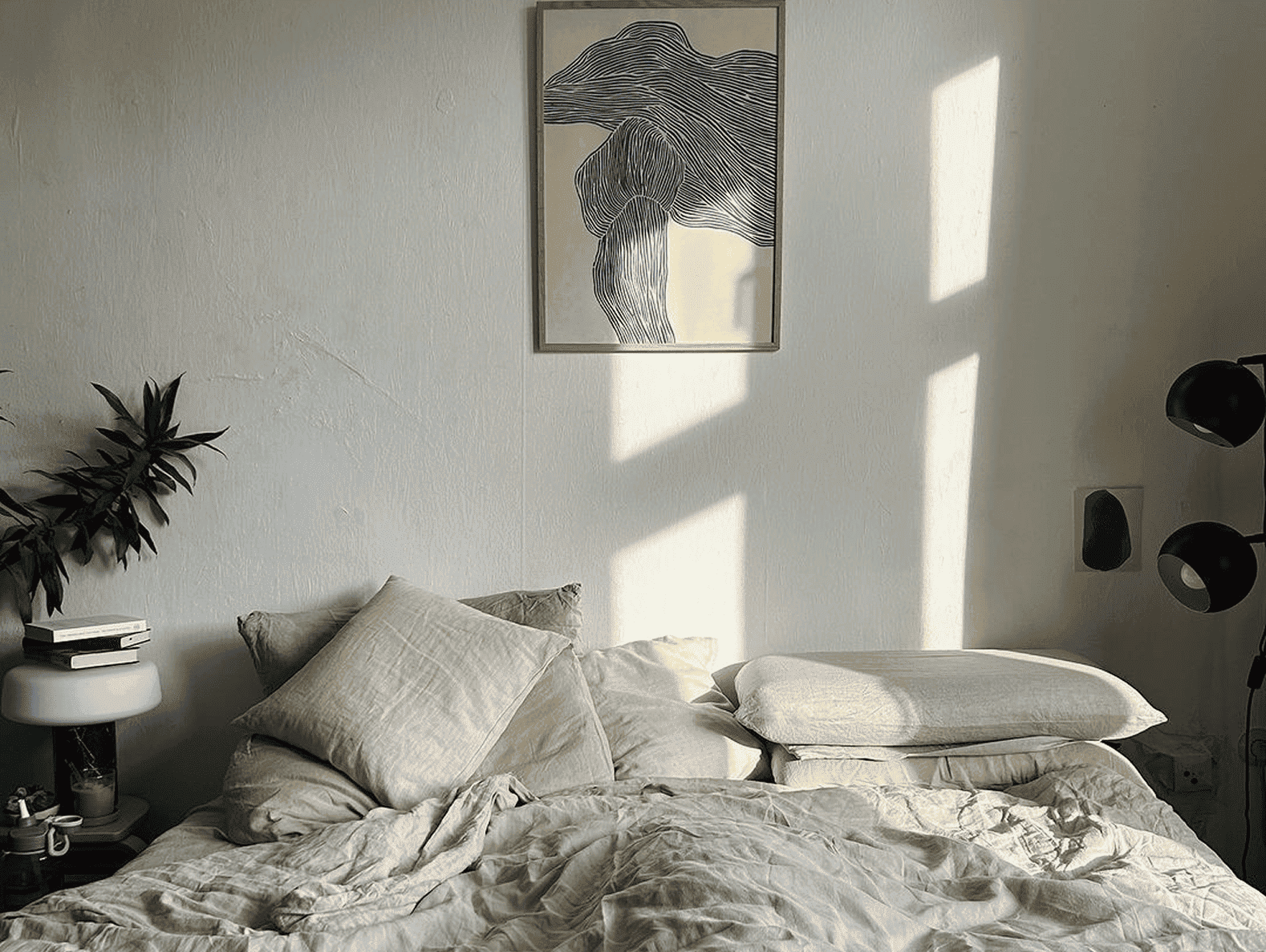
What the Science Says:The air we breathe while sleeping has a direct effect on the quality of our sleep. A study published in Environmental Health Perspectives (2017) reveals that people exposed to high levels of volatile organic compounds (VOCs) at night experience a 15–20% reduction in deep sleep. VOCs are emitted, in particular, by glues, varnishes, paints, mass-produced furniture, and synthetic mattresses.
The bedroom’s acoustic, lighting, and—above all—chemical environment is therefore a key factor. According to ADEME (2021), indoor pollution levels are sometimes 5 to 10 times higher than those in outdoor air.
What should you do?Choose untreated materials that are free of solvents and chemical adhesives. Opt for a solid-wood bed, breathable walls, and bedding that contains no synthetic foam or flame retardants.
👉 At Kipli, natural latex mattresses are made without chemical adhesives or polyurethane foam. This drastically reduces VOC emissions and promotes better natural breathability thanks to their internal air pockets. As an added bonus: progressive support that’s gentle on your spine.
2. 🕯️ The Rise of "Slow Bedtime": Slowing Down to Fall Asleep Better

What the science says:According to a study by Harvard Medical School (2021), people who engage in a relaxing activity before bed (reading, stretching, breathing exercises) experience a 37% reduction in the time it takes them to fall asleep, on average. The idea isn’t to “do more” but to do less, do it better, and, above all, do it more slowly.
"Slow bedtime" involves creating a gentle transition from day to night by eliminating stimuli (screens, intense conversations, blue light) and establishing a soothing sensory environment.
👉 This sensory slowdown can be enhanced by the feel of different materials. Our organic cottonbedding is designed with this in mind: free of irritating chemicals and featuring a dense yet soft texture, it becomes a comforting ritual in itself.
3. 💡 Circadian lighting: a lever that is still underestimated
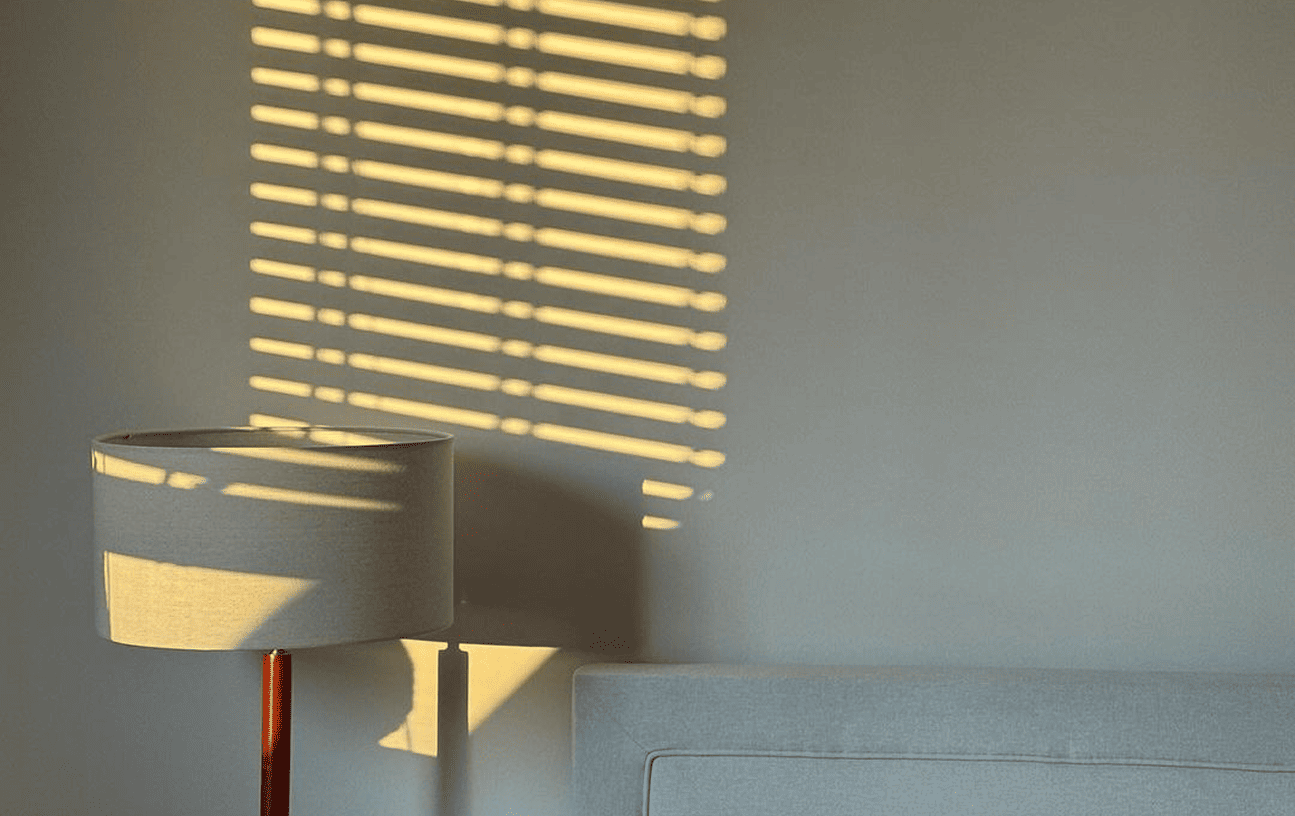
What the Science Says:A study published in *Current Biology* (2013) showed that exposure to natural light in the morning and avoiding blue light in the evening can reset the body’s internal clock in just 7 days, improving the ability to fall asleep and sleep quality. More recently, a 2022 meta-analysis published in *Nature and Science of Sleep* confirmed that cool white light in the evening reduces melatonin production by 50%.
The 2025 Trend:
- Expose yourself to natural light as soon as you wake up
- Avoid white LEDs after 8 p.m.
- Use warm-spectrum lights or twilight simulators
- Sleeping in a completely dark room
👉The overall atmosphere of the bedroom is just as important as the lighting: a simple bed, free of gloss and treated materials, contributes to this visual calm. Our solid-wood beds, handcrafted without varnish, create a understated, harmonious setting that promotes relaxation.
4. 🤲 A Comforting Feel: Weight, Texture, and Temperature Regulation
What Science Says:Research in sensory neuropsychology confirms that gentle physical contact triggers the release of serotonin and oxytocin, hormones linked to well-being and stress reduction. A study published in the *Journal of Sleep Medicine* (2020) shows that a lightly weighted blanket increases the duration of deep sleep in 63% of participants suffering from insomnia.
But there’s no need to choose a 10-kilo blanket! Simply the feeling of being “wrapped in a cocoon” is often enough to trigger that sense of security.
The right balance:
- A voluminous yet breathable comforter
- A soft yet supportive pillow
- Natural materials that naturally regulate heat (Tencel, organic cotton, latex)
👉 The Kipli comforter, filled with wood pulp fibers (Tencel) and encased in organic cotton, offers a rare balance of volume, softness, and breathability. No chemical treatments, no synthetic materials. The result: no night sweats, just a soothing cocoon.
5. 🧬 Personalized sleep (without intrusive technology)
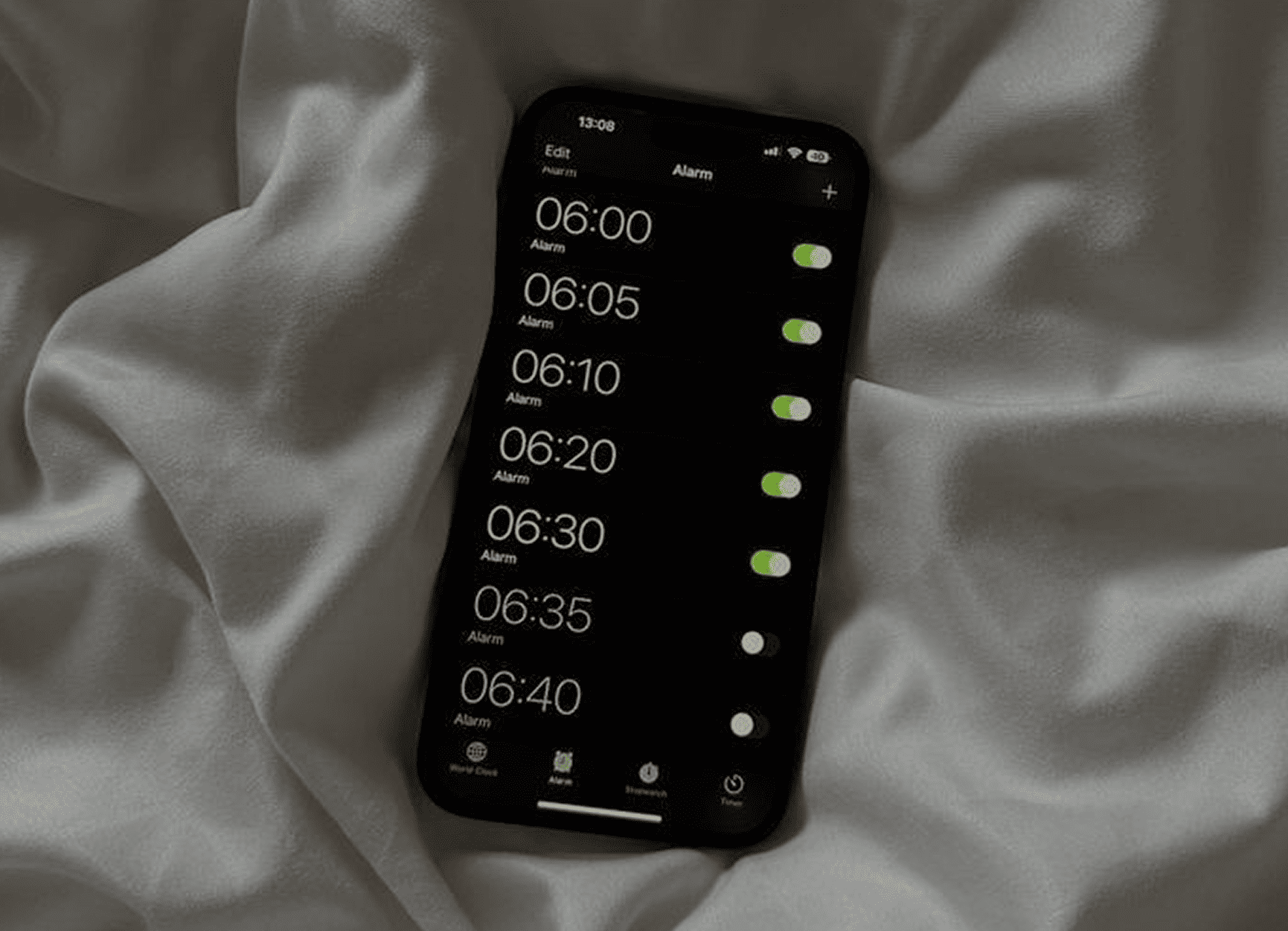
What Science Says: The myth of “8 hours of sleep for everyone” is outdated. A major study from Stanford University (2019) showed that sleep needs vary between 6:30 and 9:15, depending on genetic profiles, age, and physical activity. It is therefore absurd to try to “standardize” sleep. It’s better to observe, test, and adapt.
Connected technologies have attempted to address this issue, but they sometimes cause more anxiety than they actually improve things: the phenomenon of “orthosomnia,” identified by the *Journal of Clinical Sleep Medicine* (2017), refers to the stress of trying too hard to sleep well because of… one’s smartwatch.
The 2025 Trend:
- Tracking Your Cycle Naturally
- Choose a mattress that suits your body type or that of your partner
- Choose customizable products without digital monitoring
👉 The Kipli mattresses are available in two firmness levels and offer tailored support thanks to their latex construction. No gimmicks, no sensors—just natural adaptability that respects your body. Because sometimes, the best technology is silence.
In conclusion: a return to common sense… backed by science
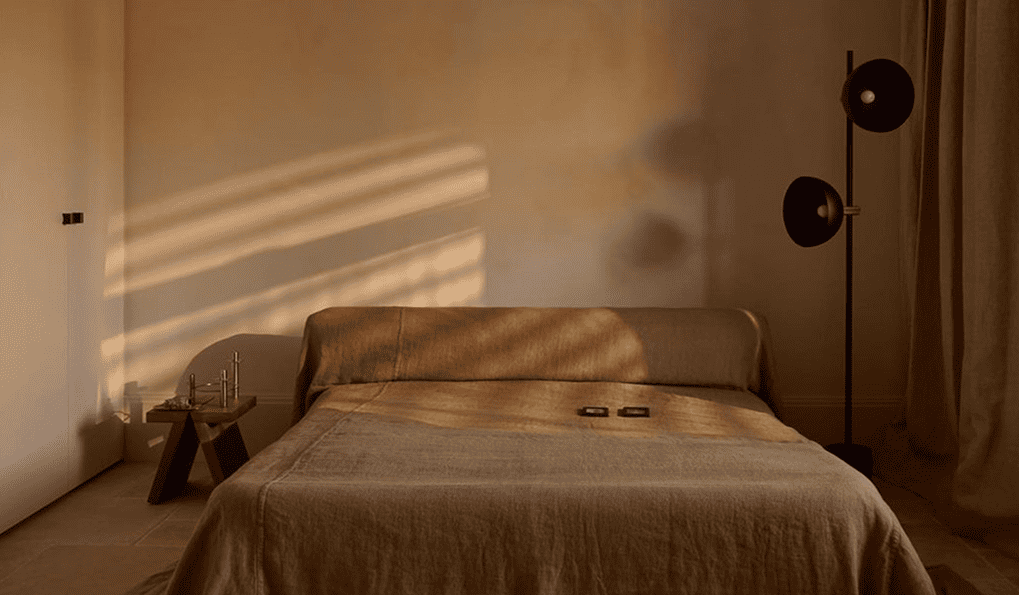
By 2025, getting a better night’s sleep will no longer rely on apps or pills, but on a return to simplicity: natural materials, mindful practices, and understated environments. Science confirms what many people already feel: good sleep starts with a healthy relationship with your body and your environment.
And sometimes, it doesn't take much to be happy: a soft sheet, a well-ventilated room, a solid-wood bed… and a little bit of that slow pace we've rediscovered.