

When temperatures rise, the issue of hydration takes on a whole new dimension. It’s no longer just “Should I drink a glass of water before bed?” It’s “How can I stay hydrated the right way to sleep well when it’s hot?” Because during seasonal heat waves, your body loses water continuously, even at night. And this fluid loss directly affects the quality of your sleep.
You sweat more. You sometimes wake up thirsty. You have a harder time falling asleep. This link between hydration and sleep is worth taking a closer look at, especially when the temperature rises.
What Happens in Your Body During a Hot Night
Night sweats increase dehydration
On a mild night, your body naturally loses between 0.5 and 1 liter of water. In extreme heat, this loss increases significantly. Your body maintains its temperature by sweating continuously. Even when you’re lying down and not moving, you sweat slightly. This sweat evaporates, taking water from your body with it.
Add to that your breath, which releases water vapor, and you’ll quickly realize: a night in a room at 28 or 30°C is a night when your body dehydrates more quickly than usual.
Your kidneys continue to work at night
During hot weather, your circulatory system is already working hard to maintain a stable body temperature. Your kidneys manage both this increased fluid loss and the regulation of your electrolytes. Your body naturally tries to conserve water, but this conservation is never complete.
The result: You may go to bed already slightly dehydrated, sweat for part of the night, and wake up slightly dehydrated. This is a normal biological process, amplified by the heat.
Nighttime thirst is a real warning sign
When you wake up in the middle of the night with a dry mouth, it's not just a whim. It's your brain telling you it needs water. In hot weather, this signal occurs more often. And if you don't drink a little, you'll have a harder time falling back asleep.
Drinking Before Bed in Hot Weather: The Right Strategy
Not a large glass, but a few sips here and there
This is the most common trap. If you drink a large glass of water right before bed, your kidneys will produce a significant amount of urine within the next hour. You’ll wake up once or twice. These awakenings fragment your sleep just when you need it most.
There’s a gentler alternative: a few sips of cool water spread out throughout the late afternoon and evening—a little at 5 p.m., a little at 6 p.m., 7 p.m., and 8 p.m. Then, just before bed, take one last sip to moisten your mouth and help your body fall asleep without feeling thirsty. This approach hydrates you gradually, without overworking your kidneys at night.
Cool water, not ice-cold
Ice-cold water causes a kind of thermal shock. Your body reacts, your heart rate increases slightly, and it becomes harder to fall asleep right after. Cool water, around 10 to 15°C, helps regulate your body temperature without causing this shock. It gently cools your body from the inside and hydrates you without stimulating your nervous system.
Staying hydrated throughout the day is even more important
Here’s the point that many people overlook: your nighttime hydration can’t make up for a day of insufficient fluid intake. If you’ve drunk very little during the day and plan to make up for it with a large glass of water at 9 p.m., your body will go to sleep dehydrated. Santé Publique France recommends drinking about 1.5 to 2 liters of water per day when it’s hot, spread out evenly throughout the day.
Not all at once in the evening, but throughout the day. A glass when you wake up, a glass at noon, a glass in the middle of the afternoon, a glass in the early evening, and then a few sips before bed. This steady hydration helps your body get through the night more easily.
Santé Publique France: Drink regularly in hot weather, without waiting until you feel thirsty.
Caffeine and alcohol worsen dehydration
After 3 p.m. during hot weather, caffeine acts as a diuretic. It causes you to excrete more water—the very water you just drank. Drinking alcohol in the evening gives the illusion of hydrating you, since you’re consuming liquid, but it actually dehydrates your body. In hot weather, these two substances disrupt your sleep far more than not drinking a glass of water before bed.
When you wake up thirsty in the middle of the night
What this means
You wake up in the middle of the night with a dry mouth and a sore throat. This usually isn't because you didn't drink anything right before going to sleep. Rather, it's because you were already dehydrated when you went to bed. You've been sweating all day, you haven't drunk enough, and you fell asleep already slightly dehydrated.
The solution isn't a large glass of [something] first thing in the morning
If you drink a large glass of water in the middle of the night, you may have to get up a little later to use the restroom, which will disrupt what little sleep you have left. It’s better to take a few small sips—just enough to quench your immediate thirst—and then go back to sleep. The next day, the key will be to stay better hydrated starting in the morning.
Keep a small, chilled bottle by the bed
When it's very hot, this is a good habit to get into. Keep a small bottle of cold water—not a liter—next to your bed. If you wake up thirsty, a few sips are enough: enough to quench your thirst and help you fall back asleep, but not enough to make you need to urinate right away.
Breathable fabric also helps
Internal Hydration and External Comfort
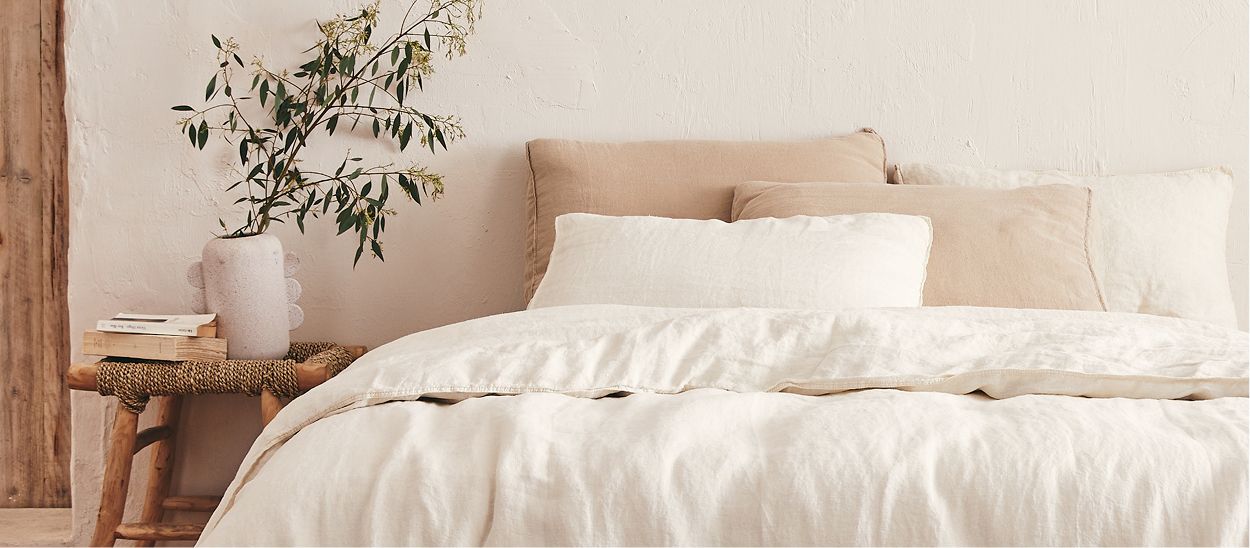
Staying well-hydrated in hot weather also means choosing breathable bedding. If you sleep on synthetic materials or low-quality cotton, your sweat gets trapped against your skin. You stay damp, and you may even wake up feeling even more thirsty.
Natural materials like washed linen, organic cotton, and hemp allow your sweat to evaporate. You stay drier, sleep better, and your body loses less water unnecessarily. So staying hydrated at night isn’t just about drinking water—it’s also about letting your sweat circulate and evaporate naturally, thanks to breathable materials.
A natural latex pillow, with its superior temperature regulation, also contributes to this comfort. Less heat trapped around the head means less sweating, and therefore less fluid loss during the night.
Go at your own pace
Your body expresses itself more clearly in the summer
In hot weather, your body gives clearer signals. You really feel every instance of dehydration, and you notice more clearly how your sleep changes depending on your hydration levels. This is a time when the connection between the two becomes very apparent.
You can use this as an opportunity to experiment. One night without drinking anything before bed. One night with just a few sips. One night where you stay well-hydrated throughout the day, with just a little water in the evening. Note how you wake up: energetic or tired, rested or not. Your own experience will give you the most accurate answer.
An answer that changes with the seasons
There is no universal rule. There’s no “you must drink” or “you mustn’t drink.” There’s only what your body tells you when you really listen to it. And that response changes with the seasons, your activity level, and the temperature. During periods of extreme heat, staying hydrated at night becomes a key factor in getting restful sleep. It’s not a minor detail, but something to pay close attention to.
Key takeaway: Stay hydrated regularly throughout the day rather than all at once in the evening. A few sips of cool water before bed are enough. Avoid caffeine and alcohol in the evening. And choose breathable pajamas to minimize water loss overnight.
Kipli, of course.
Written by the Kipli team, specialists in natural sleep since 2018. This article is based on recommendations from Santé Publique France. It is not a substitute for medical advice.