

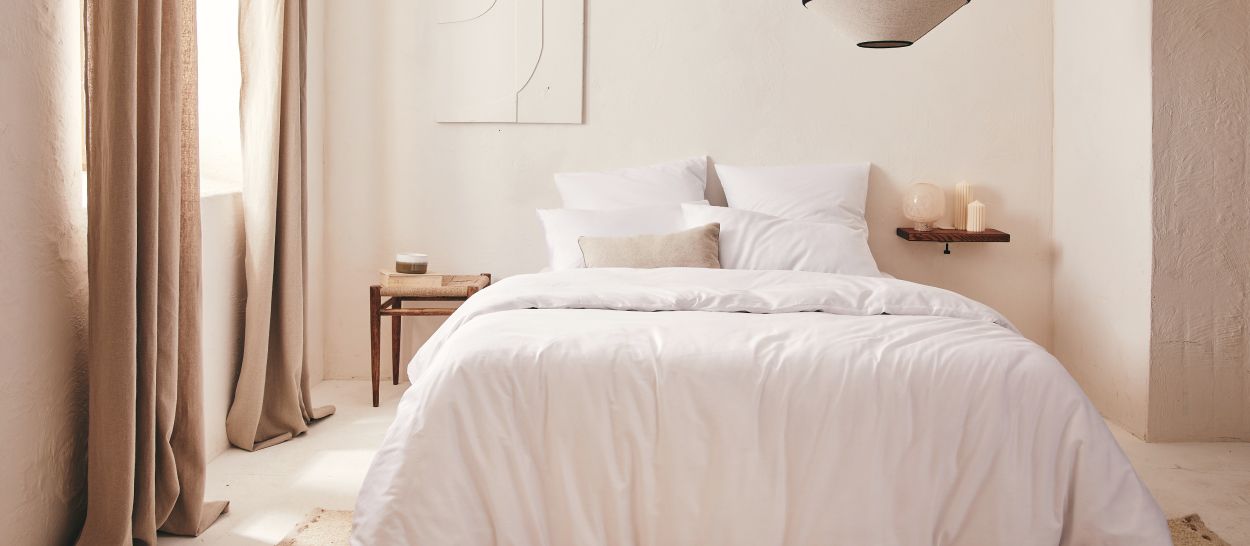
Designing a small bedroom is one of the most common interior design challenges when moving into a new home or renovating your house. However, a small bedroom doesn’t mean you’re doomed to sleep poorly or live in cramped spaces. With the right choices in furniture, layout, and decor, even 9 m² can become a comfortable, soothing, and visually more spacious sleeping area. Here are our tips.
The bed: the first piece of furniture to choose
In small bedrooms, furnishing always starts with the bed. It’s the centerpiece—the largest piece of furniture —and the one that defines the rest of the room’s layout. Above all, it’s the one thing where you shouldn’t compromise on sleep comfort.
It can sometimes be tempting to downsize the bed to save a few centimeters. This is often a mistake: a bed that’s too narrow can compromise sleep quality, especially for two people. It’s better to stick with a bed that suits your needs and make smart use of the remaining space.
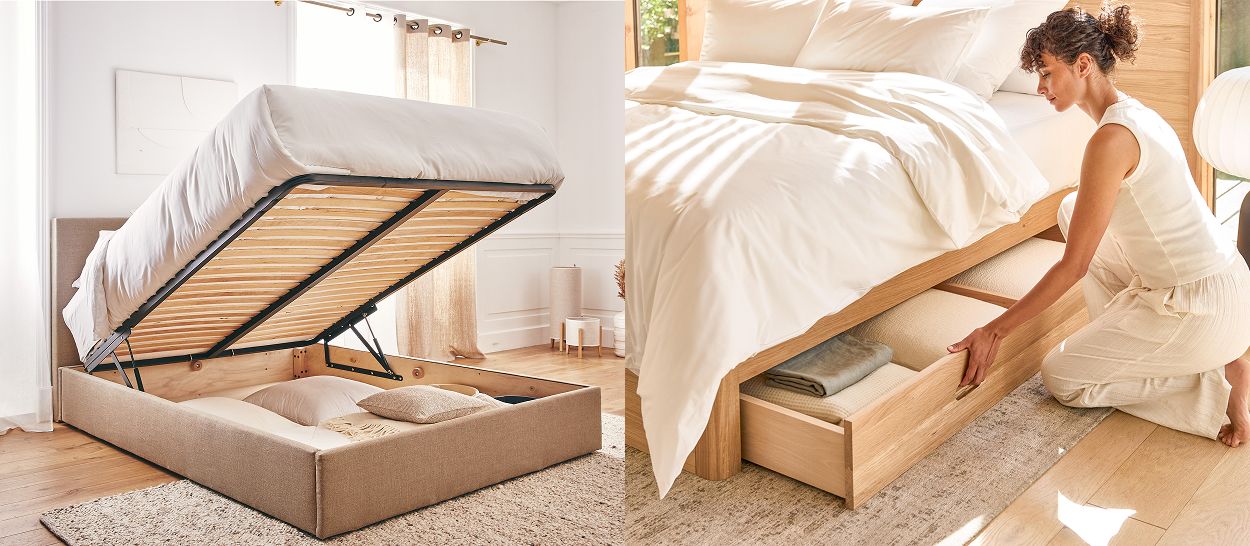
The most effective solution for small bedrooms is the storage bed. Unlike a bed with drawers—which requires space on either side to open the drawers, a luxury that small bedrooms often lack—the storage compartment opens from the top thanks to a lift-up bed base. It requires no additional space on the sides. The built-in storage compartment replaces an entire dresser and allows you to store bedding, seasonal pillows, cushions, and blankets without cluttering the room.
At Kipli, storage beds are made from PEFC-certified solid wood and are available in several sizes to suit any home. The OTTO model is made in France from solid wood and French linen. The LUCA model is handcrafted in Italy from solid okoumé wood.
A storage bed or a bed with drawers? In a small bedroom, a storage bed is recommended over a bed with drawers. Side drawers require 60 to 80 cm of clearance on each side to open fully. A top-opening storage bed requires no additional space; it takes up exactly the area of its footprint.
Organizing the bedroom: traffic flow and furniture layout
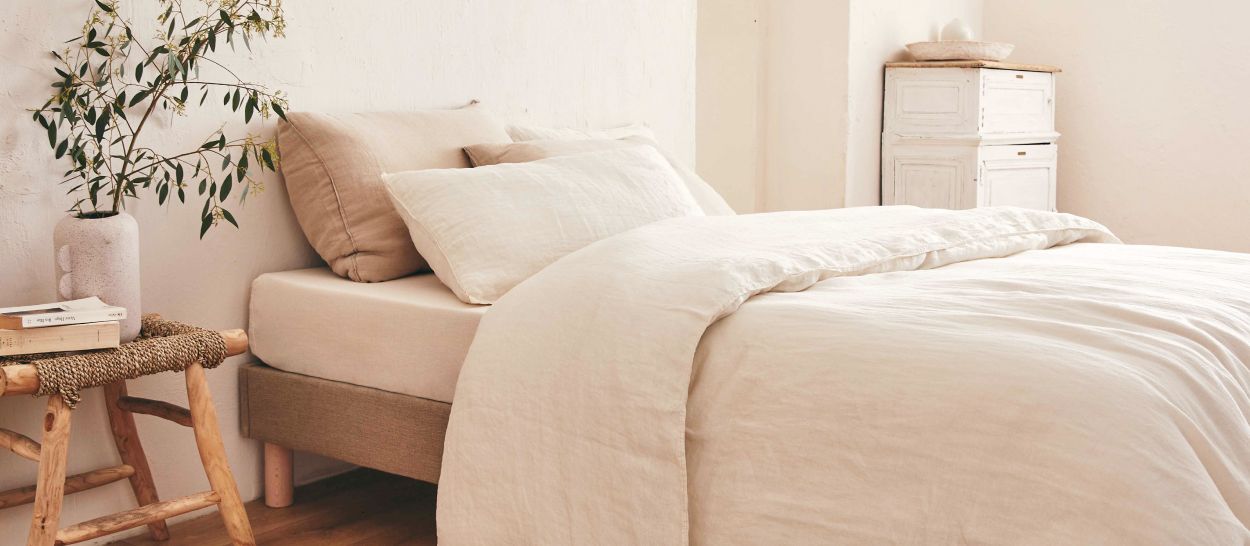
A well-designed room is, first and foremost, one where you can move around freely. A few simple rules can help you make the most of every square meter of your home.
Place the bed along the longest wall, preferably near the window so you can enjoy natural light without being exposed to drafts. This arrangement frees up the central space in the room and makes the bedroom appear more spacious. Allow at least 60 cm of clearance on each side so you can get in and out of bed comfortably.
Avoid having too many pieces of freestanding furniture. Every dresser, every bedside table that’s too deep, and every freestanding vanity reduces the amount of space available for moving around and makes the room look cluttered. Opt for wall-mounted furniture—such as a wall-mounted vanity or a narrow shelf used as a bedside table—to free up as much floor space as possible and make the bedroom feel more spacious.
Layout Tip: In a bedroom of about 10 m², place the bed first, then define the traffic areas. The available floor space determines the size and type of furniture you can add—not the other way around.
Smart Storage: Upward, Not Outward
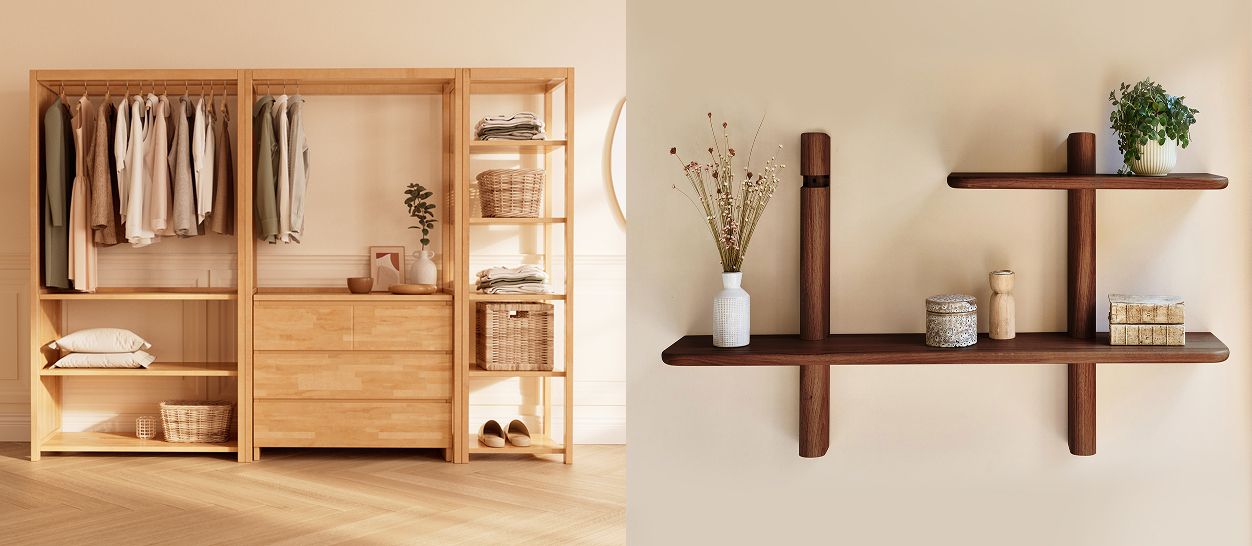
In small bedrooms, vertical space is often underutilized. Theshelf mounted high on the wall—reaching all the way to the ceiling if possible—creates considerable storage space without taking up floor space. Several shelves stacked on top of each other can easily replace an entire dresser while keeping the room bright.
If you don’t want a storage bed, under-bed spaces with built-in drawers are a practical alternative. However, these drawers require clearance on both sides—make sure your bedroom has enough space before making a decision. To decorate without overcrowding the space, a few well-chosen throw pillows and neat, natural bedding are enough to create a warm atmosphere without making the room feel cluttered.
Don't forget the space under the window: a low storage bench or a decorative storage chest can fit there, serving both as seating and as extra storage.
Decorate to make the space look bigger
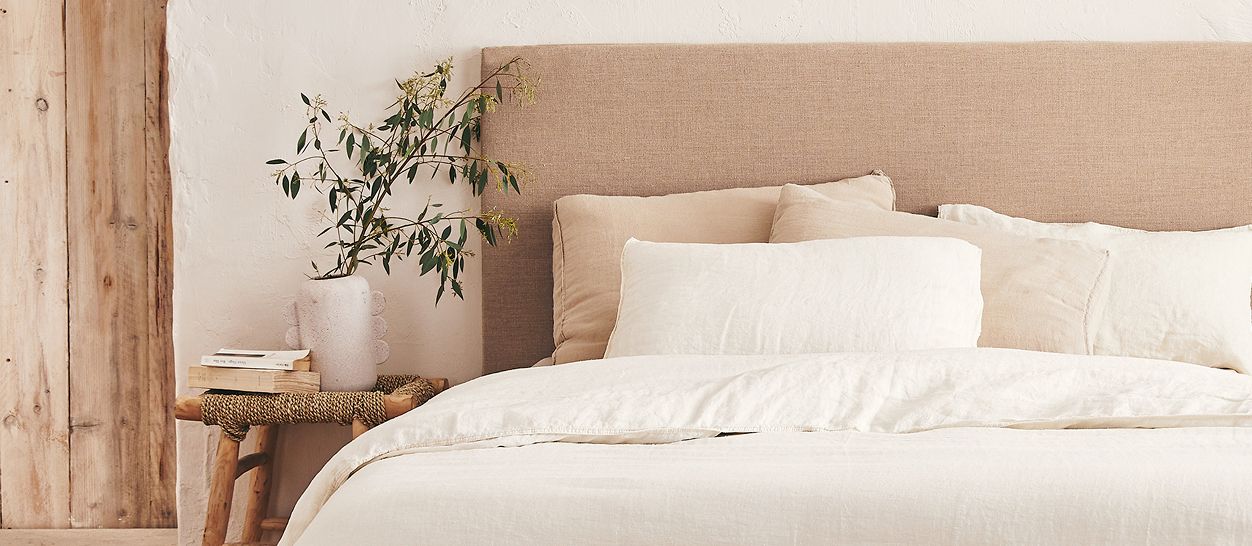
Decorating a small bedroom involves a few tricks that create the illusion of space without major renovations.
Light, bright colors on the walls and ceiling reflect natural light and make the walls appear farther away. Decorating with a soft palette of off-white, beige, and pale green creates a soothing atmosphere and makes the room appear larger. If you want to add a bolder shade, limit it to a single wall behind the headboard so as not to overwhelm the room.
A discreet ceiling light, paired with low-level light sources such as wall sconces or bedside lamps, opens up the space while creating a soothing atmosphere for the night. A large mirror placed opposite the window visually doubles the depth of the room and lets in more natural light—one of the most effective decorating tips for small homes and compact bedrooms.
When it comes to mattresses and bedding, opt for neutral and natural tones. A natural latex pillow, a washed-linen duvet cover in soft shades, and beautiful organic cotton sheets are all you need to dress the bed elegantly without overwhelming the room.
Mistakes to Avoid
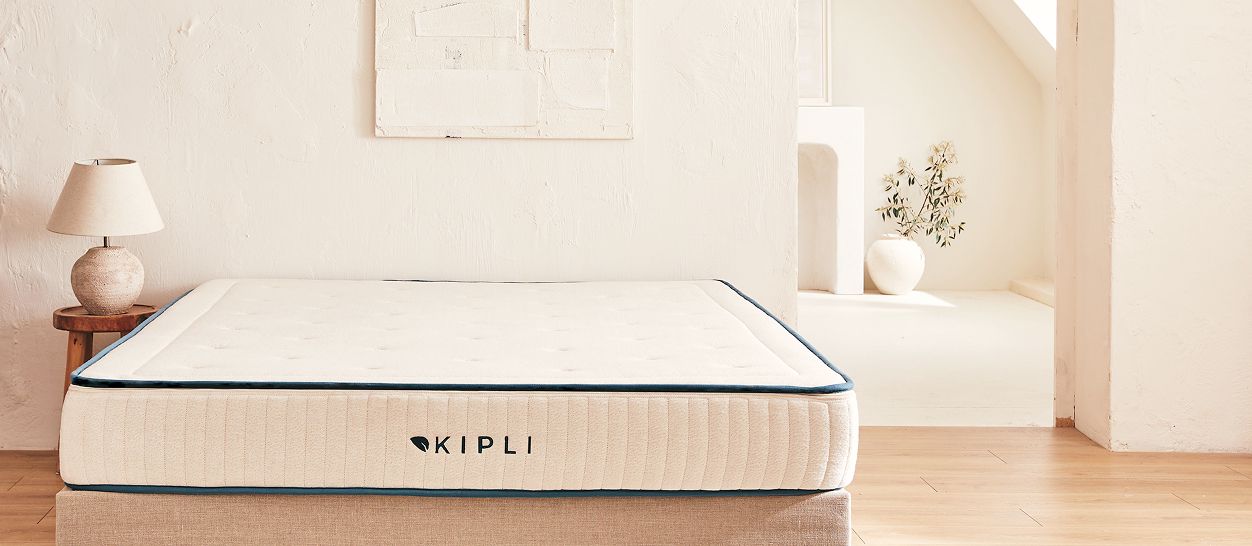
Overload the floor
Putting too much furniture on the floor is the most common mistake when furnishing a small bedroom. Every piece of furniture on the floor reduces the available space and creates a feeling of confinement. The less furniture you have on the floor, the larger the room will feel when you're sleeping in it.
Neglecting bedding
Cutting back on your bedding budget to spend most of it on decor is a common mistake. You sleep in your bedroom every night, so a mattress tailored to your body type and a high-quality box spring have a greater impact on your daily life than any piece of decorative furniture. Don’t sacrifice the quality of your sleep for the sake of aesthetics.
Choosing the wrong curtains
Curtains that are too short or too thin rob the room of its privacy and let light in at night. Long curtains, hanging from the ceiling to the floor and slightly wider than the window, add elegance to the room, enhance sound insulation, and contribute to a soothing and restful atmosphere.
Forget about acoustics
A small bedroom with poor sound insulation amplifies outside noise and disrupts sleep. A thick rug at the foot of the bed, heavy curtains at the window, and a few natural textiles absorb some of the sound and help ensure more restful nights.
Designing a Cozy Small Bedroom
Designing a small bedroom hinges on three priorities: a suitable bed with built-in storage to replace the dresser and drawers, vertical storage that frees up floor space, and a bright, soothing color scheme that visually enlarges the space.
- The storage bed: the most effective way to save space without side drawers
- Wall Shelves: Making the Most of Vertical Space Rather Than Floor Space
- Light colors: bright shades that make the walls appear farther away
- Natural Bedding: A High-Quality Mattress and Pillow—So You Never Have to Compromise on Sleep
Discover Kipli's storage beds made from certified solid wood, as well as the full range of bed frames and natural bedding to create a cohesive look in your bedroom from floor to ceiling.
Kipli, of course.
Written by the Kipli team, specialists in natural home furnishings since 2018. Our advice is based on our product expertise and customer feedback to ensure you enjoy peaceful and restful nights.