

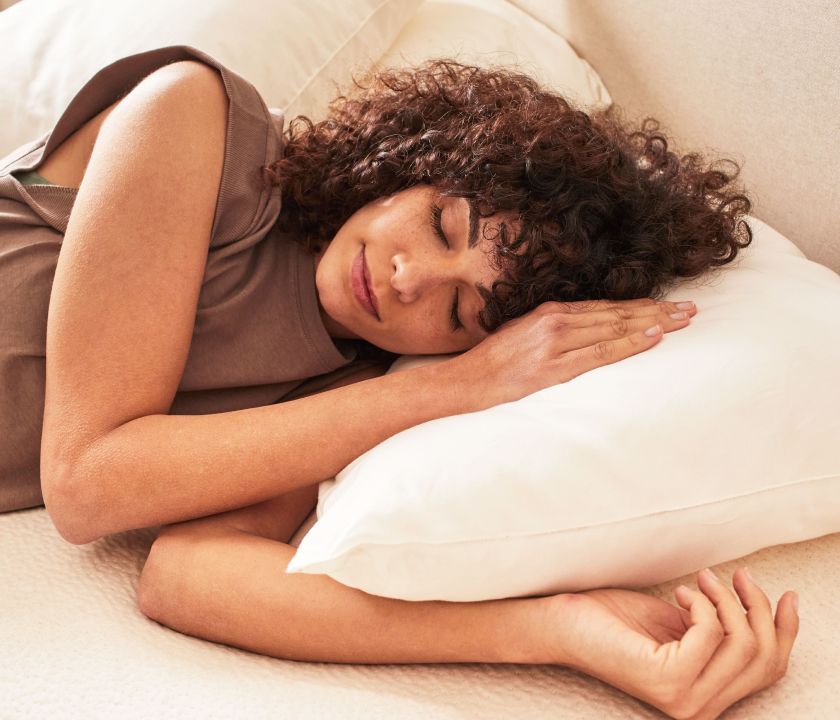
Falling asleep can sometimes be difficult, but with the right techniques, you can fall asleep quickly and enjoy a restful night’s sleep. In this article, discover some simple tips to help you fall asleep and get a good night’s sleep.
Table of Contents
- Why do we have trouble falling asleep?
- The Importance of a Healthy Lifestyle for Restful Sleep
- 6 Tips for Falling Asleep Quickly
- Additional Techniques to Improve Your Sleep
- Kipli Products for Optimal Sleep
Why do we have trouble falling asleep?

Many people have trouble falling asleep. The reasons can vary: daily stress, anxiety, excessive screen time before bed, or an unhealthy lifestyle. It is essential to understand the factors that contribute to these difficulties in order to address them effectively.
Anxiety
It is one of the main causes of insomnia. Stress and anxiety increase the production of cortisol, the stress hormone, which can disrupt the natural sleep cycle. When you’re anxious, it’s hard to clear your mind and focus on sleeping.
Hyperconnectivity
Due to our constant use of screens, it can also interfere with our ability to relax before bedtime. The blue light emitted by screens disrupts the production of melatonin, a key hormone that regulates the sleep-wake cycle. As a result, it becomes harder to fall asleep, and the quality of sleep suffers.
The Importance of a Healthy Lifestyle for Restful Sleep
Before diving into specific tips for falling asleep quickly, it’s important to emphasize the importance of a healthy lifestyle. Adopting a healthy lifestyle can greatly improve your ability to fall asleep more easily at night and get restful sleep.
Diet and Sleep

What you eat and drink throughout the day—especially in the hours before bedtime—can have a significant impact on your sleep. For example, consuming caffeine or heavy, fatty foods before bed can disrupt your sleep. It’s best to opt for light meals in the evening that are rich in sleep-promoting foods such as nuts, bananas, or dairy products, which help boost melatonin production.
Physical Activity and Sleep

Regular exercise is another key factor in getting a good night’s sleep. Physical activity helps regulate your circadian rhythm, improves the quality of deep sleep, and reduces symptoms of insomnia. However, it’s important not to engage in intense exercise right before bedtime, as this can have the opposite effect and prevent you from falling asleep.
Stress Management

Stress management is essential for quality sleep. Relaxation techniques such as meditation, yoga, or breathing exercises can help reduce anxiety and prepare your body and mind for sleep. Regular practice of these techniques can also improve your resilience to daily stress, making it easier to fall asleep.
6 Tips for Falling Asleep Quickly
1. Try the 4-7-8 breathing technique
The 4-7-8 breathing method is a simple yet effective technique for reducing stress and helping you fall asleep faster. Breathe in slowly through your nose for 4 seconds, hold your breath for 7 seconds, then breathe out slowly for 8 seconds. Repeat this sequence several times before going to bed. This method helps slow your heart rate, calm your mind, and prepare your body for sleep. In addition, this technique can be used at any time of day to help you relax during stressful moments.
2. Avoid screens before bed
The blue light emitted by television screens, smartphones, tablets, and computers disrupts melatonin production, which delays the onset of sleep. To improve your sleep, it’s recommended that you limit screen time for at least one hour before bedtime. Instead, opt for relaxing activities such as reading a book or listening to soothing music. In addition, you can use blue light filters on your devices to reduce the impact of this light on your sleep.
3. Try progressive muscle relaxation
Progressive muscle relaxation is a technique that involves tensing and then relaxing each muscle group in your body, starting with your feet and gradually working your way up to your head. This method is particularly effective for relieving tension that has built up throughout the day and helping you fall asleep. To practice this technique, lie down in bed, close your eyes, and focus on your breathing. Start by tensing the muscles in your feet for a few seconds, then release them while focusing on the feeling of relaxation. Repeat this process for each muscle group, slowly working your way up toward your head.
4. Take a warm bath before bed
A warm bath before bed can work wonders for helping you fall asleep. Warm water helps relax your muscles, lower your blood pressure, and reduce stress, creating an environment conducive to sleep. In addition, the heat from the bath promotes the release of melatonin, the hormone responsible for helping you fall asleep. To maximize the benefits, add relaxing essential oils such as lavender or chamomile to your bath. These oils are known for their soothing properties and can help improve the quality of your sleep.
5. Establish a regular bedtime routine
Having a regular bedtime routine is essential for signaling to your body that it’s time to sleep. Try to go to bed and wake up at the same time every day, even on weekends, to regulate your biological clock. This consistency strengthens your circadian rhythm and helps stabilize your sleep-wake cycle. Your bedtime routine could include relaxing activities such as reading, meditating, or listening to soft music. It’s also recommended to dim the lights in your environment at least an hour before bedtime, as this helps prepare your body for sleep.
6. Improve Your Sleep Environment
A sleep-friendly environment is crucial for a good night’s sleep. Your bedroom should be a place of relaxation, free from distractions. Make sure the room is dark, quiet, and at a comfortable temperature (ideally between 16 and 19 degrees Celsius). Investing in quality bedding, such as Kipli’s natural mattresses, can also improve the quality of your sleep. Kipli mattresses, made from 100% natural materials, provide optimal support for every sleeping position and promote deep, restorative sleep. Also, consider using blackout curtains to block out any outside light and use earplugs or a white noise machine if your environment is noisy.
A Few More Tips to Help You Sleep Better
In addition to the six tips mentioned above, there are other techniques that can help improve the quality of your sleep.
Use visualization to help you fall asleep
Visualization is a technique that involves focusing your mind on soothing images to induce a state of relaxation. For example, imagine yourself in a peaceful place, such as a beach or a forest, and focus on the sensory details of that environment. Visualization helps divert your attention from anxious thoughts and prepare your mind for sleep.
Meditate before going to sleep
Meditation is another effective technique for calming the mind and promoting sleep. Practicing meditation regularly can help reduce stress and anxiety, which in turn can improve the quality of your sleep. To meditate, sit or lie down in a quiet place, close your eyes, and focus on your breathing or a soothing mantra. Even just a few minutes of meditation each night can make a big difference.
Try a breathing technique to help you fall asleep
Abdominal breathing is a technique that can help reduce stress and make it easier to fall asleep. To practice abdominal breathing, place one hand on your abdomen and the other on your chest. Breathe in slowly through your nose, allowing your abdomen to rise, then breathe out slowly through your mouth. Repeat this deep breathing several times until you feel relaxed.
Counting sheep: a classic but effective trick
Although it may sound cliché, counting sheep is a technique that works for some people. By focusing on a monotonous, repetitive task, such as counting sheep, you can calm your mind and keep it from dwelling on stressful thoughts, making it easier to fall asleep.
Kipli Products for Optimal Sleep
Good bedding is essential for a restful night’s sleep. Kipli products are designed to offer you optimal comfort while being environmentally friendly.Kipli’s line ofnatural mattresses is made from 100% natural materials, such as natural latex, which provides perfect support for all sleeping positions. In addition, these mattresses are hypoallergenic and breathable, making them ideal for people with allergies or sleep disorders.
In addition to mattresses, Kipli also offers high-quality pillows and mattress toppers that perfectly complement your bedding for total comfort. These products are designed to improve the quality of your sleep and help you fall asleep faster and enjoy a restful night’s sleep every night.
By following these simple tips, you can improve the quality of your sleep and fall asleep more quickly. It’s important to adopt a healthy lifestyle, create an environment conducive to sleep, and practice relaxation techniques to enjoy a restful night’s sleep.