

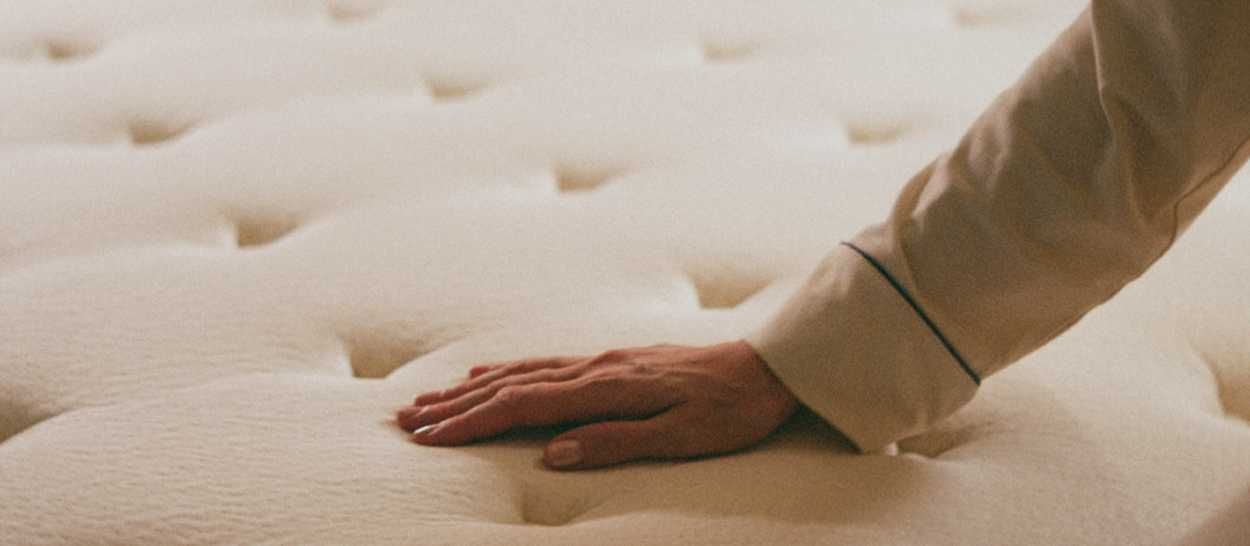
When you choose a mattress, you’re not just choosing an object—you’re choosing how you’ll sleep, rest, and recover for many years to come. The Kipli natural latex mattress is an investment, but it’s one that stands the test of time: 100% natural composition, certified materials, meticulous craftsmanship, and a lifespan of over 15 years.
Why Does a Mattress's Lifespan Really Matter?

Given the overwhelming variety of mattresses available, it’s tempting to compare only the listed price. From this perspective, theKiplinatural latex mattress may seem more expensive than some foam or “memory foam” models. But a mattress isn’t a disposable purchase: it’s with you every night—sometimes for more than ten or fifteen years—and directly affects how well you wake up, any aches and pains you may have, and the freshness of the air in your bedroom.
The lifespan of a mattress depends on several factors. Physically speaking, a mattress that sags quickly creates pressure points, disrupts sleep, and strains the back.
From a health perspective, several studies and articles have highlighted the possible presence of volatile organic compounds (VOCs) and other chemicals in certain polyurethane foam or synthetic latex mattresses, as well as in the adhesives used to assemble them. These VOCs contribute to indoor air pollution and can cause respiratory irritation or discomfort in sensitive individuals. For more information, see, for example,Parlons Literie,ConsoGlobe,orQuelMatelas, which provide details on these emissions from mattresses made with petrochemical-based foams.
Look at the 10-year picture rather than the 10-minute one:atthe time of purchase, price is the main focus of the discussion. Over the long term, what really matters is the consistency of support, the quality of the air you breathe while sleeping, and the number of mattresses you avoid sending to the landfill.
In a market largely dominated by petrochemical-based foams, choosing anatural latex mattress means deciding that your sleep deserves healthy materials and long-lasting durability.
What determines the lifespan of a natural latex mattress?
A Demanding Raw Material: 100% Natural Latex
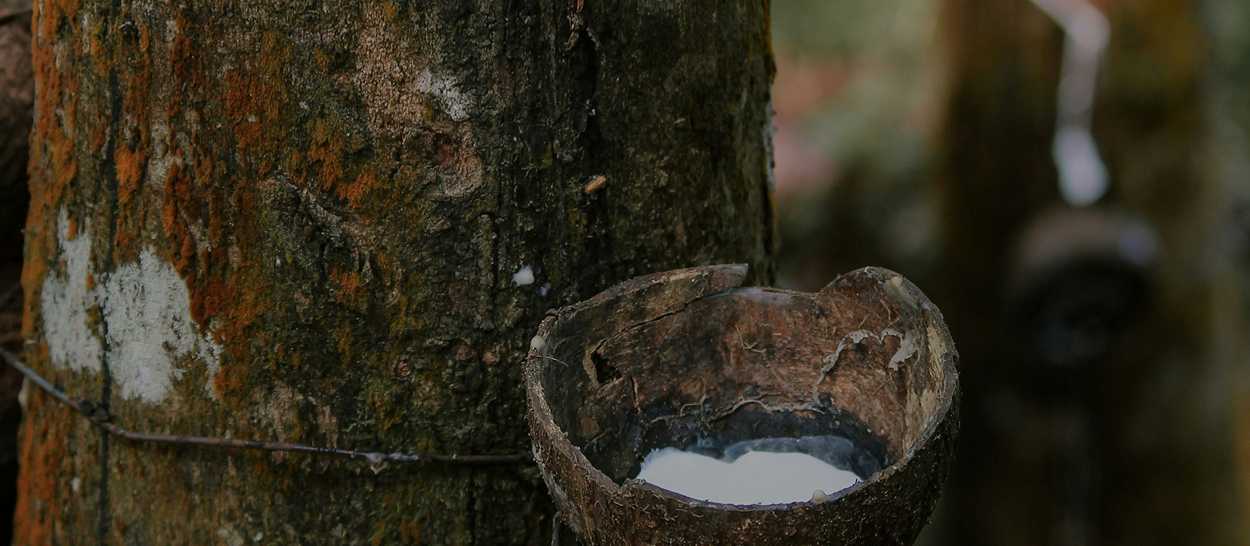
Natural latex comes from the sap of the rubber tree. In the Kipli mattress, it is not simply a “blend” of natural and synthetic latex: the core is made of 100% natural latex, consisting of 97% natural latex and 3% vulcanizing agents essential for its solidification. This standard ensures that the mattress regains its shape night after night, without any permanent indentations or sagging areas.
High density, stable support
A mattress’s durability is also reflected in its density. Here, the firm side has a density of 85 kg/m³ for 15 cm of latex: a medium-firm, precise support that doesn’t lose its shape over time. The softer side, with a density of 65 kg/m³, offers a more enveloping feel while remaining stable. Rather than stacking layers of disparate materials, Kipli has opted for a simple, straightforward structure designed to last.
A natural cover that protects without restricting movement
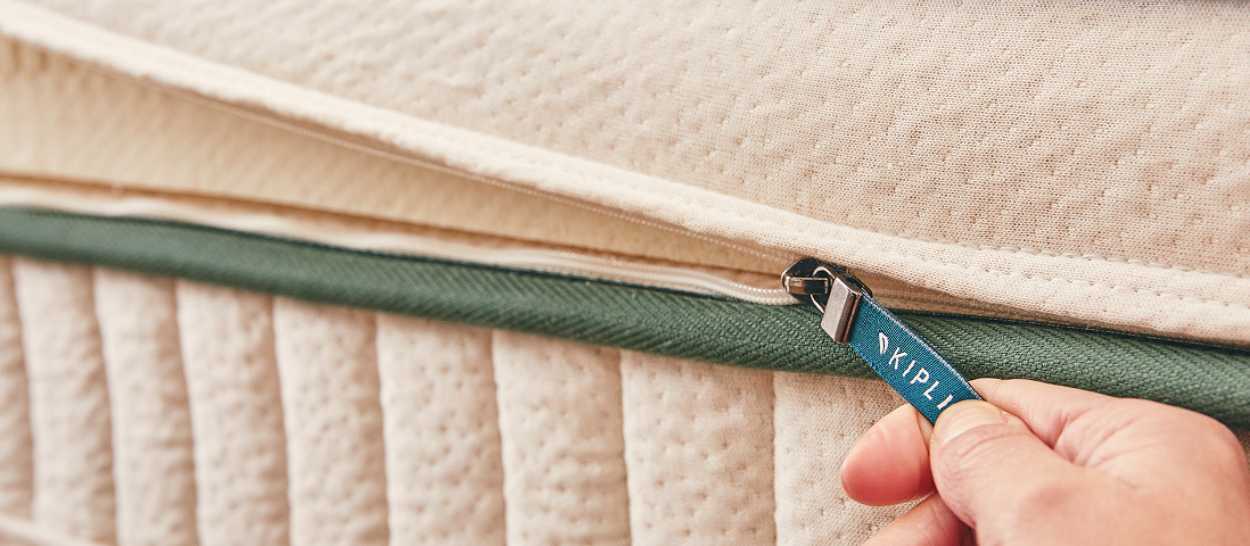
The cover plays a discreet yet essential role. The outer fabric, made of organic cotton and Tencel®, and the wool filling create a protective layer that allows the latex core to breathe while keeping it safe. This combination regulates moisture, minimizes temperature fluctuations, and helps the mattress maintain its shape over time. The cover is fully removable for dry cleaning, without the need for harsh cleaning agents.
The right environment, so the mattress can perform at its best
A durable mattressneedsthe right environment. When placed on a suitable, well-ventilated box spring in a room that’s regularly aired out, it will last longer. The Kipli natural latex mattress is compatible with most slatted, upholstered, or electric box springs. The only real precaution: avoid placing it directly on the floor, as this would block air circulation and could lead to excessive moisture.
Natural Latex vs. Petrochemical Mattresses: What Are the Differences?
In recent years, several journalistic investigations and comparative tests have highlighted the limitations of mattresses made exclusively from petrochemical materials. Certain models made of polyurethane foam or memory foam have been criticized for their emissions of volatile organic compounds, their lack of transparency regarding composition, and a lifespan that sometimes falls far short of marketing claims.
With a traditional foam mattress, comfort is often very pronounced in the first few weeks, but then the foam settles, warms up, and loses its resilience. Over time, this can result in sagging spots, warmer nights, and less consistent support. Pocket-coil mattresses, on the other hand, offer good sleep independence but may, over time, develop mechanical weaknesses, while synthetic fillings wear out and compress.
Natural latexbehavesdifferently. Its elastic structure allows it to return to its original shape after every movement, without creating a “sagging” area in the middle of the mattress. It is this property that makes it the material of choice for a mattress you want to keep for a long time, without compromising on support.
The True Cost Over 10 Years: Looking at Price in a Different Way
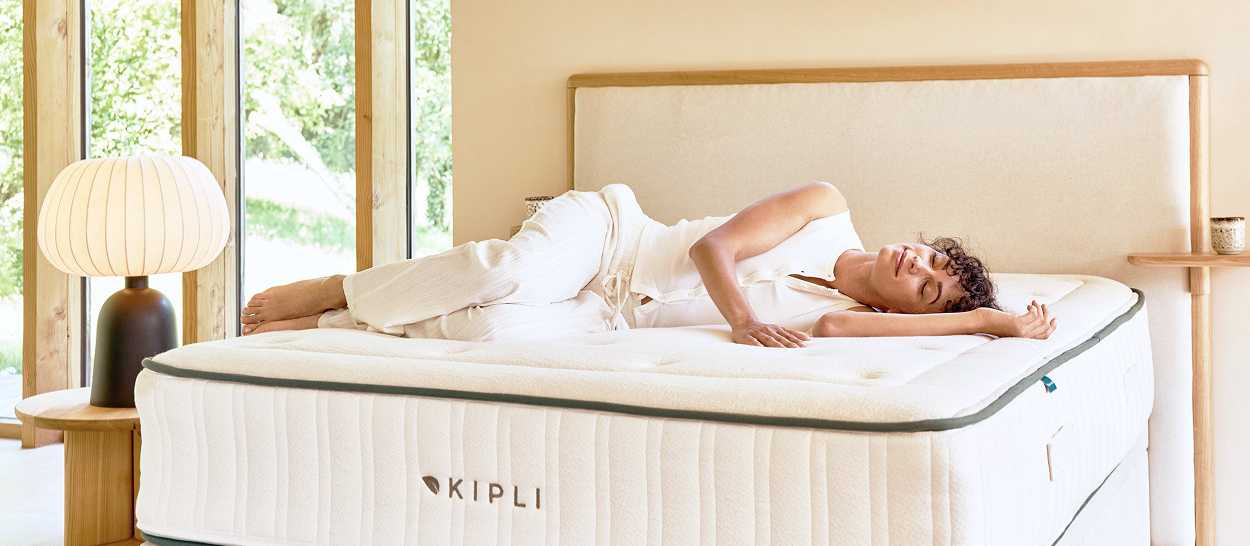
To understand the true cost of a mattress, a simple approach is to break it down by night’s sleep. You no longer look just at the purchase price, but at the number of years the mattress remains comfortable and the number of nights it provides a good night’s sleep.
The formula is easy to remember: take the price of the mattress, divide it by the number of years of use, then by 365. This gives you a cost per night that, in the case of a durable mattress, can sometimes be as low as a few tenths of a cent. Compared to a cheap model that needs to be replaced every 6 or 7 years, a Kipli natural latex mattress—which lasts well over 15 years—has the edge.
Added to this calculation are benefits that are less obvious but just as real: sleeping on a plant-based material rather than petrochemical foam, limiting exposure to added chemical treatments, and reducing the number of mattresses sent to landfills at the end of their life. Price is no longer just a line item on a receipt; it has become a choice involving comfort, health, and environmental impact.
How can you extend the life of your natural latex mattress?
A durable mattress will last even longer if you follow a few simple steps. The first is to let air circulate: airing out the bedroom every day—even for just a few minutes—is enough to remove the moisture that builds up overnight. The mattress benefits from this fresh air, helping it stay dry and healthy.
The second key step happens beneath the mattress: a properly designed box spring, made of solid wood with spaced slats, supports the latex core while promoting ventilation. When placed directly on the floor, the mattress doesn’t breathe as well and wears out faster. By placing it on a suitable support, you allow it to deliver on its promises over time.
Finally, there are a few habits to go along with this mattress-box spring-bedroom trio: protect the mattress with a breathable mattress pad, regularly flip it from head to toe to naturally distribute pressure points, and use the removable cover for dry cleaning when necessary. Nothing spectacular—just simple, gentle care that lets the material do its job.
When should you consider replacing your natural latex mattress?
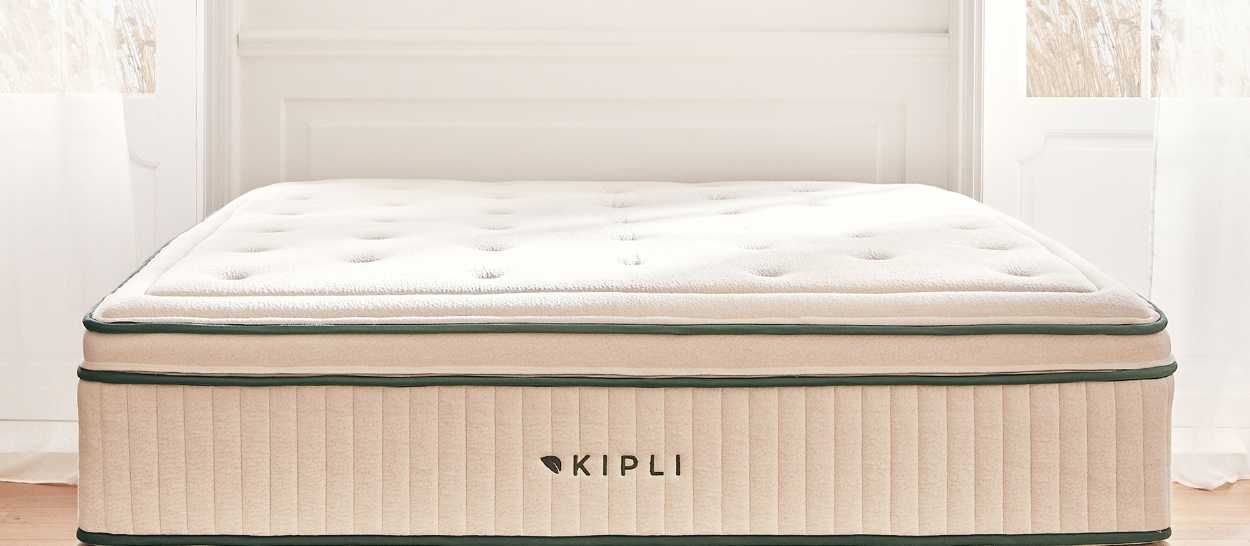
A high-quality natural latex mattress can provide more than 15 years of restful sleep. However, certain signs eventually indicate that it’s time to move on. The first is visual: a dent that remains even after a full day of use indicates that the support has weakened. The second is physical: if you wake up feeling stiffer, or if your back or shoulders ache more—even with proper care—the mattress has likely served you well.
The atmosphere in the bedroom can also serve as a guide. When you air out the room and keep it clean, but no longer feel as comfortable on the mattress as you used to, it’s a sign that a cycle is coming to an end. In this case, choosing another natural, durable, and certified latex mattress allows you to start fresh on a healthy foundation rather than beginning another cycle of short-lived mattresses.
Kipli, simply