

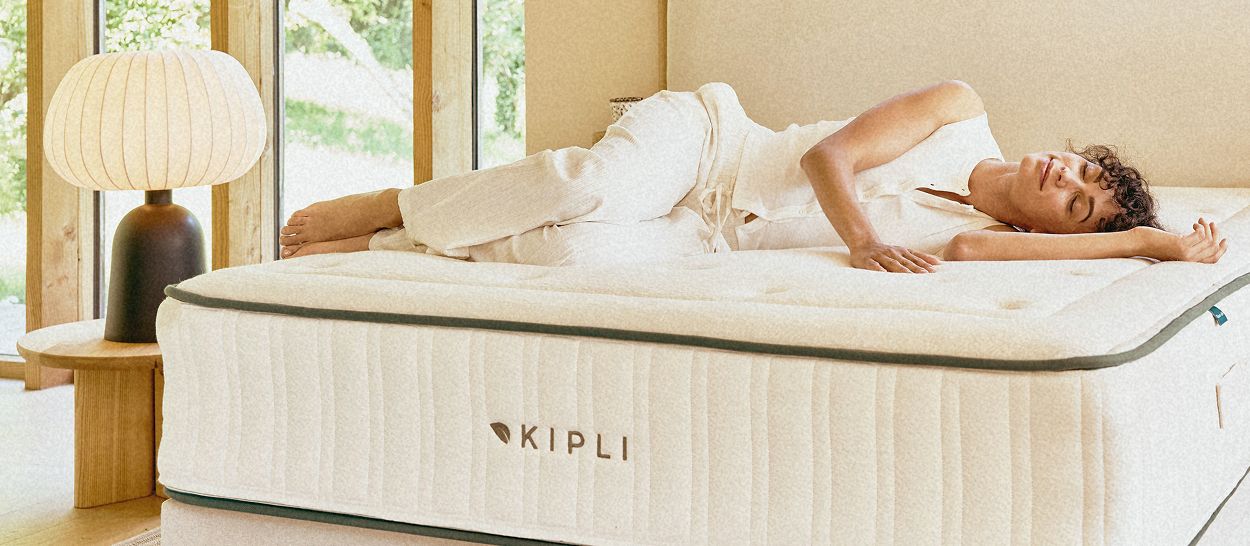
Comfort isn’t just a fleeting sensation. It’s a feeling that lasts as the night goes on, as you move, and as your body finds its place. When it comes tonatural latexversusmemory foam, the question isn’t “which one is better.” The real question is:which one suits your sleeping style—in terms ofwarmth, support, durability, and the need to move freely?Natural latex vs. memory foam
Understanding Both Subjects
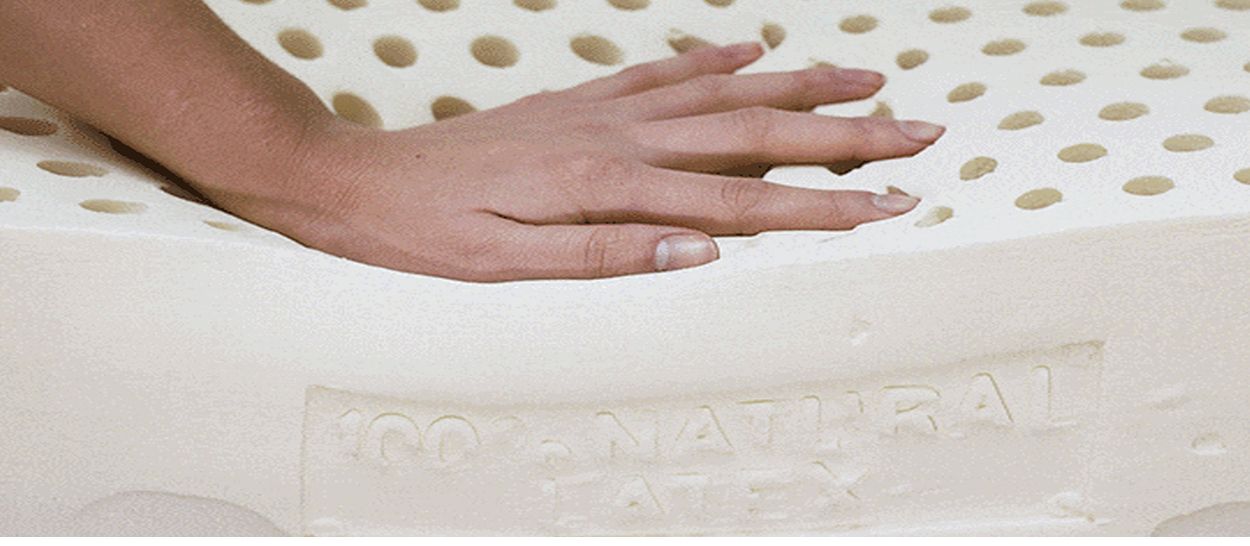
Natural latexisan elastic, “living” material that provides support without “locking” the body in place. It conforms to the body and then returns to its original shape with a gentle, steady stability. In a well-constructed mattress, this elasticity helps distribute pressure while maintaining firmness.
Memory foam, on the other hand, is designed to provide a different sensation: a feeling of being cradled. It is a viscoelastic foam (usually made from polyurethane) that reacts to heat and pressure to conform to the body’s contours. It is not a natural material—this is not a judgment, but simply how it is designed.
Heat & Breathing: What You Really Feel
If you tend to run hot, the material is key. Memory foam can retain more heat because it conforms to the body and restricts airflow where it comes into contact with the skin. Natural latex, on the other hand, is often preferred for a more “neutral” feel: you lie down, breathe easily, and don’t overheat as quickly.
It’s not a matter of “right” or “wrong.” It’s a matter of compatibility. Some people love the enveloping feel of memory foam. Others wake up feeling like they’ve “sweated through” the night.
Support & Feel: bounce, snug fit, freedom of movement
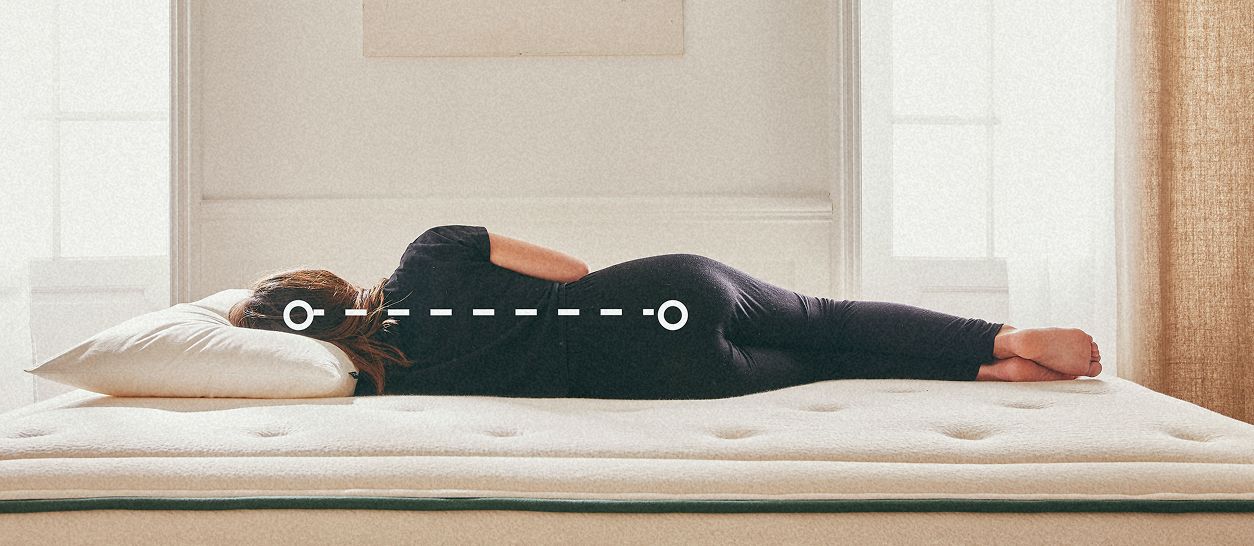
Memory foam conforms to the body’s shape: it’s comfortable, especially for people looking for gentle cushioning at pressure points (shoulders, hips). On the other hand, it can create a sensation of sinking in and “resistance to movement”: when you change positions, you may feel as though the material takes a second to adjust.
Natural latex, on the other hand, is moreresponsive: it provides support and gives slightly. It’s easier to turn over. For many people, that’s what makes for lasting comfort: a material that conforms to your body without constricting it.
Sustainability: What Remains True After Months
Durability isn't apparent on the first night. It's measured by how well the support holds up and how well the surface retains its shape. In general, memory foam's durability depends heavily on the density and quality of the foam: some hold up very well, while others lose their shape more quickly.
Natural latex is often chosen for one simple reason:it’sa dense, elastic material that retains its shape. And when the mattress isreversible, there’s an obvious added benefit: you can alternate sides, distribute wear evenly, and extend its lifespan.
Comparison Chart: Natural Latex vs. Memory Foam
|
Criteria
How you feel
|
Natural latex
Elastic Support & Breathability
|
Memory foam
Body Wraps & “Cocoon” Treatments
|
|---|---|---|
| Sensation | Vibrant and full of life, the body is supported. | As it wraps around the body, the design “stands out.” |
| Heat | Often more neutral and more breathable. | It may retain more heat when in contact with something. |
| Freedom of movement | Very good: it's easy to turn around. | Good, but sometimes a little “slower” to follow. |
| Pressure Points | Good distribution, especially when it comes to comfort zones. | Fits very well around the shoulders and hips. |
| Ongoing Support | Known for its stability, it holds its shape well. | It depends heavily on the density and quality of the foam. |
| Who is it for? | Those who are active, those who are passionate, those who want sustainability. | Those who want a very snug fit and good isolation from movement. |
On a mobile device, swipe the table horizontally (the “Criteria” column remains visible).
How to Choose Based on Your Sleep Patterns
If you often feel hot
Opt for a material that’s more breathable and “neutral.” Natural latex is often a simple choice. Memory foam may be suitable, but in that case, choose highly ventilated designs (and keep in mind that it will feel more enveloping).
If you're looking for a "cozy" feeling
Memory foam checks all the boxes: it conforms to your body, provides cushioning, and isolates movement. If you like to feel snug and tend not to get too hot while sleeping, this is a real plus.
If you're always on the go (or if you don't like being "stuck")
Natural latex is generally more supple: you can change positions without any effort. For many people, this is what leads to deeper sleep: fewer micro-awakenings and less of a sense of exertion.
If sustainability is your priority
Consider the materials, the design… and how it’s used. A reversible mattress, for example, is a simple way to spread out wear and tear. Natural latex fits naturally into this concept of lasting comfort.
Why Kipli Chooses Natural Latex
At Kipli, we love materials that speak for themselves—and comfort that goes without saying. Natural latex is one such obvious choice: breathable, elastic, and stable. Just the right amount of support, without stiffness. Comfort that adapts to you and lasts.
Kipli, plain and simple.