


AtKipli, we believe that sleep shouldn’t be forced. It develops gradually, in an environment that promotes calm and relaxation.Sleep-promoting plantsareoftenpartof this quest for balance. They don’t promise immediate sleep orguaranteedrestful sleep, but they can help create an atmosphere that’s more conducive to rest—one that’s gentler and more natural.
Table of Contents
Exploring plants to improve sleep is, above all, about seeking a better understanding of what soothes the body and mind at the end of the day. Certain plants are traditionally associated with sleep because of their mild sedative properties and their ability to promote relaxation. When used wisely, they can help create a more peaceful evening routine and contribute to better sleep quality.
Plants That Promote Sleep: What You Need to Know

Herbs for sleep are often touted as a natural remedy for insomnia or sleep disorders. In reality, their effects are more subtle. They primarily act on the nervous system by helping to reduce tension, stress, and mental agitation—which are among the main obstacles to falling asleep.
Sedative plants do not work like sleeping pills. They promote a state of relaxation, preparing the body for rest without causing an abrupt break from the waking state. This gentle effect explains why they are appreciated by those seeking an approach that is more in tune with the body’s natural sleep cycle.
The best plants for a good night’s sleep have often been used for centuries, in the form of herbal teas, infusions, or traditional remedies. Their effectiveness stems as much from their active ingredients as from the ritual they bring to the evening routine.
Which Plants Can Help You Sleep Better Every Day?

When it comes to plants that promote sleep, certain ones come up time and again. Chamomile is undoubtedly the best known. It is valued for its calming and soothing properties, which promote relaxation at the end of the day. When consumed as a herbal tea, it naturally aids the transition to sleep.
Lemon balm is also often associated with better sleep. With its gentler effects, it primarily helps alleviate nervousness and stress-related tension. It is particularly suitable for people whose ability to fall asleep is disrupted by intense mental activity.
Other plants, such as passionflower and valerian, are known for their more pronounced sedative properties. Valerian, in particular, is traditionally used to promote sleep and reduce nighttime awakenings. Passionflower, on the other hand, helps calm anxiety and prepare the mind for rest.
Linden, verbena, and California poppy are also listed among the plants that can help you sleep better. Each works differently, and their effectiveness depends largely on individual sensitivity and the nature of the sleep disorders experienced.
Sedative Plants and Sleep Quality

Sedative herbs have long been used for their ability to soothe the nervous system. Their main purpose is to reduce restlessness, anxiety, and tension that builds up throughout the day. By promoting a state of relaxation, they can help you achieve a more restful and deeper sleep. To better understand what is meant by“deep sleep,” we’ve put together a few simple guidelines.
For some people, these plants may help reduce nighttime awakenings or improve the feeling of restful sleep upon waking. They are often used as a supplement to good sleep hygiene, not as a standalone solution for persistent sleep problems.
Herbs that promote sleep can be consumed in various forms, including as herbal tea, infusions, or dietary supplements. The choice depends on individual needs, personal sensitivity, and lifestyle.
The Benefits of Herbs for Sleep Disorders
Incorporating plants that promote good sleep into your routine can have a positive impact on mild to moderate sleep disorders. Using them regularly promotes better relaxation in the evening and helps establish a consistent bedtime routine. Along the same lines, ourtips for falling asleep more easilycomplementthis approach well.
Insomnia, when caused by stress or difficulty winding down, can sometimes be alleviated by using herbs with soothing properties. By supporting the nervous system, these herbs help create the conditions for a more restful sleep, without forcing you to fall asleep.
However, it is important to remember that persistent sleep disorders require special attention. Herbs for sleep are not a substitute for medical care or appropriate treatment when necessary.
Herbal Teas and Infusions as an Evening Ritual
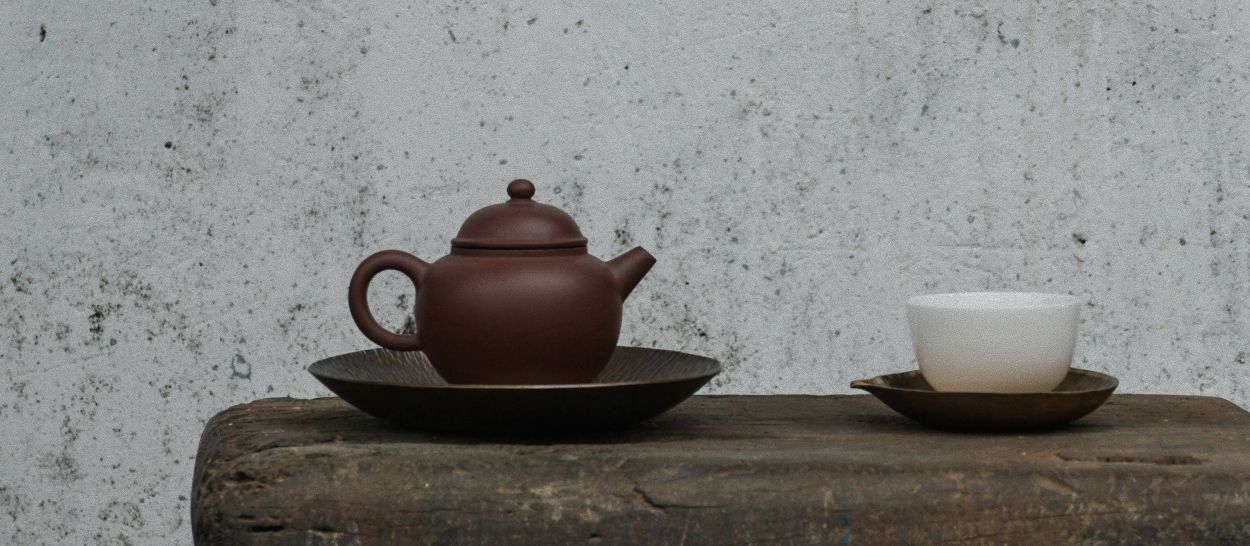
Herbal tea is one of the simplest and most accessible ways to enjoy the benefits of plants for sleep. Making a cup of chamomile, lemon balm, or verbena tea at the end of the day becomes a soothing ritual that marks a pause and signals to the body that night is approaching. If you enjoy simple routines, you might also want to readabout evening rituals that can truly improve the quality of your sleep.
Drinking a hot herbal tea promotes relaxation, both through the warmth and the act of drinking it. This moment of calm helps you unwind and naturally prepares you for sleep. It is often this regular practice, rather than the herb itself, that improves sleep quality.
A Gentle Ritual: A simple cue can be enough. A cup of warm herbal tea, dimmed lights, a few minutes away from screens, and the freedom to let go of the need to optimize everything. When the body realizes that the day is coming to an end, falling asleep often becomes less of a “challenge” and more of a “welcome.”
Valerian, Passionflower, and Lemon Balm: What Are the Differences?
Valerian, passionflower, and lemon balm are often compared when discussing herbs for sleep. Valerian is known for its more pronounced sedative effect, which is particularly helpful for those who have trouble falling asleep or who wake up frequently during the night.
Passionflower is more effective for anxiety and mental restlessness. It is often chosen when sleep disturbances are linked to significant emotional stress. Lemon balm, which is milder, is suitable for people seeking a gentle, gradual approach to improving sleep quality.
The choice between these plants depends on individual needs, tolerance, and the severity of the symptoms experienced.
Incorporating sleep-promoting plants into a soothing routine

Herbs that promote sleep work best when incorporated into a consistent routine. Making herbal tea, dimming the lights, stepping away from screens, and gradually winding down are all complementary steps that promote deeper sleep. On this topic, our article“Feeling Good at Home for Better Sleep”reminds usjust how important our environment is.
Some people also use plants in the form of essential oils or dietary supplements, always with caution and in accordance with the recommendations. The key is to listen to your body and focus on consistency rather than intensity.
Herbs and Insomnia: A Complementary Approach
To combat insomnia, sleep-promoting herbs can be a valuable aid, provided they are used as a supplement rather than as a standalone solution. Valerian, passionflower, and California poppy are sometimes used to promote more restful sleep and reduce nighttime awakenings.
These plants affect the nervous system and help create a relaxing atmosphere that promotes deep sleep. They can transform your nights when combined with a calm environment, a well-designed bedroom, and habits that respect your body’s natural rhythm. If you’d like to learn more aboutbedroom design, this article onbedroom mistakes that disrupt sleepisa great resource.
A Comprehensive Approach to Sleep at Kipli

At Kipli, we view sleep as a matter of overall balance. Herbs that promote sleep are part of this approach, alongside the right bedding, natural materials, soft lighting, and simple rituals.
Restful sleep is never the result of just one factor. It arises from the harmony between the body, the mind, and the environment. Plants, through their presence and symbolism, can contribute to this balance without ever imposing it.
Taking care of your sleep often means being willing to slow down. And sometimes, it starts simply with a plant, a cup of herbal tea, and the decision to let the night do its work.
A peaceful bedroom isn't just about perfect decor. It's a place where you feel safe enough to let go. Plants aren't everything, but they can contribute to that sense of calm with their subtle, living presence.
Kipli, plain and simple.