


In today’s hyper-connected world, adolescence is a pivotal period in whichscreensanddigital technologyplaya dominant role.Social media,the internet, anddigital tools are an integral part ofteens’ lives: they use them to learn, have fun, connect with others, and develop their identities. The challenge is not to ban screens, but to understand howscreen useaffectssleep, well-being, and development, in order to provide simple, solid guidelines and support more informed parenting.
Table of Contents
Simple LandmarkMaking the most of the last part of the day often makes a real difference:unplugging an hour before bedtime, turning off notifications at night, and establishing a routine that allows teenagers to aim for8 to 10 hoursofsleep, depending on their age and needs.
Understanding the Impact of Screens on Teens

The ubiquity of screens raises important questions about the lives of teenagers. Many teens juggle homework, messaging apps, videos, games, and notifications. This constant stream of activity can take a toll on their attention span, their ability to feel bored, their ability to concentrate for long periods, and sometimes their academic performance. It’s not just a matter of duration—it’s also a matter of pace. Switching from one piece of content to another without a break creates a state of constant alertness that makes it harder to wind down.
Social media adds a unique factor: social pressure, comparison, the need to respond quickly, and the temptation to check “one last time.” For some teenagers, this can lead to anxiety, irritability, or a feeling of mental overload. Again, the point isn’t to blame technology, but to observe what it triggers and what it replaces: movement, physical activity, real-life interactions...(For a “environment & relaxation” perspective, you can also read:Messy Room = Disturbed Sleep?)
The Effects of Screens on Sleep

The most sensitive time remains the evening. Screen use before bedtime can disrupt sleep for two main reasons. First, the blue light emitted by screens can inhibit the secretion of melatonin, the sleep hormone, and delay the onset of sleep. Second, the content itself is stimulating: chatting, playing games, watching videos, and scrolling through the internet keep the brain active, while the body needs to wind down.
When this pattern repeats itself, sleep disturbances, chronic sleep deprivation, difficulty waking up, and fatigue that goes beyond the physical begin to appear. Sleep is essential not only for staying in top shape, but also for learning effectively, consolidating memory, and stabilizing mood. For adolescents, it is often recommended to aim for 8 to 10 hours of sleep, depending on age and individual needs.
A very practical tip often helps: try to wind down an hour before bedtime. This isn’t just a catchphrase—it’s a way to help your body recognize that it’s time for night. A calm, repetitive, simple activity can make it easier to fall asleep and promote deeper, more restorative sleep.(See also:How to Sleep Better,Deep Sleep: How to Sleep Well,Evening Rituals.)
Create a “wind-down routine” before bedtime: soft lighting, a slower pace

When our days are filled with screens, what our bodies need most is a clear signal: nighttime is beginning. At home, this signal rarely comes in the form of a long speech. Instead, it comes through a gradual transition: a warmer, softer light; the volume turning down; a final moment free of notifications. We can stick to something very simple: a short read, a few stretches, a lukewarm shower, or just silence. The key is consistency: following the same routine, night after night, to make it easier to fall asleep.
(If you'd like to explore this idea of transition further, you can also read:"How to Establish a Good Sleep Routine for the Start of the School Year" and"How to Create a Healthy Bedroom.")
Bedding that helps the body unwind

When your mind has been working hard all day, comfort becomes a physical anchor. A stable, quiet, breathable bedding system helps prevent those minor discomforts that keep you from fully settling in. Themattress-and-box-spring combinationmakes a difference: it supports the body, reduces pressure points, and provides a more consistent feel, night after night.
That’s also where you can make clearer choices about materials. At Kipli, our starting point is always a more natural sleep experience, with products designed to last and be easy to use: the 100% natural latex mattress, beds and box springs designed to provide a solid foundation, and bed linens made from natural materials, and pillows to customize comfort without adding unnecessary layers.
It’s often these details—a more subdued bedroom, a slower pace, and more comfortable bedding—that make the difference between “collapsing from exhaustion” and getting truly restorative sleep, especially now that digital devices have taken up so much of our lives.
The Dangers of Inappropriate Digital Content
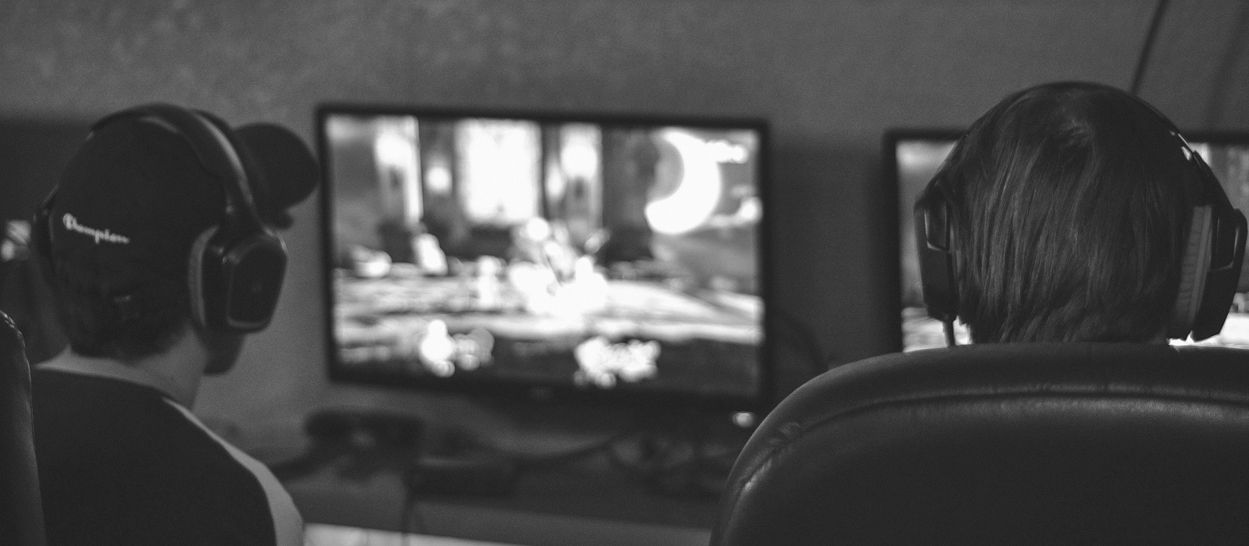
Screens provide access to a wide variety of content, but not all of it is appropriate. Exposure to violent images, sexual content, or misinformation can undermine psychological and emotional development, especially when teens encounter such material on their own. The risk isn’t just the content itself—it’s also the lack of guidance and the words needed to understand it.
Prevention requires vigilance and education. Helping a teenager identify, question, and report inappropriate content teaches them a protective reflex. Misinformation also exists online: learning to verify a source, cross-check information, and take a step back is part of using the internet responsibly. And on social media, it’s essential to talk about cyberbullying, boundaries, and the right to say no.
Behavioral Problems Related to Excessive Screen Time
When use becomes excessive, certain behavioral problems may arise, sometimes gradually: irritability, impulsivity, withdrawal, loss of interest in activities once enjoyed, and a decrease in physical activity. It’s helpful to look for one simple indicator: has the screen become the go-to solution for everything (boredom, stress, sadness, tension)? If so, the teen may get caught in a vicious cycle: the worse they feel, the more they go online, and the more their sleep suffers.
In these situations, making someone feel guilty rarely works. What helps more is offering choices again: real alternative activities, sports, creative hobbies, outings, time outdoors, and family time. And if symptoms become persistent (severe anxiety, severely disrupted sleep, isolation), seeing a doctor can improve the situation and provide appropriate recommendations. Recommendations vary depending on age and context.
Social Media and Its Influence

Social media can connect teens to a virtual community: sharing interests, making friends, learning, and creating. It’s a digital space that can be stimulating—even valuable. But this connection comes at a cost when it becomes constant. Notifications, constant use, the need to respond, the fear of missing a message… all of this creates tension that interferes with sleep.
Guiding teens in their use of social media means asking a simple question: What does this platform offer, and what does it take away? Guidance also involves setting clear rules: setting bedtime limits, limiting phone use in the bedroom, avoiding screen time before bed, and talking about content, respect, and privacy. A teenager who feels heard is more likely to accept boundaries.(For transitions in routine:Getting back into a good sleep schedule after vacation.)
Establishing a Healthy Screen Time Routine

A healthy routine doesn’t aim for perfection—it aims for stability. Encouraging regular digital breaks helps break the constant temptation to go online and preserves focus. These breaks aren’t a punishment—they’re moments to catch your breath. They also help reduce anxiety and prevent sleep disturbances linked to late-night exposure to blue light.
Creating a balanced digital environment involves setting guidelines not only for time but also for specific moments. In the evening, the goal is clear: to protect your biological clock. The time you wake up is just as important as the time you fall asleep, and a restless or too-short night of sleep takes a toll on your entire day. Unplugging an hour before bedtime, turning off notifications, and opting for a calm activity gives the body a chance to return to deep, restorative sleep.(See also:Back-to-School Sleep Routine,5 Mistakes in the Bedroom,How to Set Up a Healthy Bedroom.)
Therapy and Support for Screen-Related Disorders

When screen use leads to significant problems, professional support can be helpful. Individual or family therapy can sometimes help understand the causes of addiction, build resilience, and restore balance. The goal is not to remove digital technology from a teenager’s life, but to restore it to its proper place—one that is compatible with sleep, school, health, and real-life social interactions.
Guidelines for a Connected Adolescence
Balancing digital technology with well-being hinges on a few simple principles: diversifying activities, ensuring adequate sleep, fostering critical thinking, and maintaining open communication. Encouraging responsible screen use also means learning to protect one’s privacy, recognizing misinformation and scams, and remaining respectful in the digital space. These best practices apply to all ages: limit excessive screen time, prioritize educational content, maintain a regular diet and sleep schedule, and set aside screen-free time.(To better understand what “recovery” means:Does sleep really help us recover?)
Conclusion
A tech-savvy adolescence isn’t a mistake to be corrected—it’s a reality to be supported. Screens, the internet, and social media can be valuable tools, but they shouldn’t take away from sleep. By maintaining a consistent evening routine, aiming for 8 to 10 hours of sleep, encouraging teens to disconnect an hour before bedtime, and staying alert to warning signs, we support teens’ development, attention, and well-being. And when sleep or behavior deteriorates over the long term, consulting a doctor remains a simple, useful, and protective step.