


We choose a pillow for its color, shape, and feel. Rarely for what’s inside it. Yet that’s precisely where what matters most comes into play: long-lasting comfort and the filling’s ability to hold its shape after thousands of uses.
The materials used in a cushion are not interchangeable. They vary depending on their origin, manufacturing process, and properties. A well-designed cushion retains its shape, softness, and durability for years. A poorly filled cushion will lose its shape within a few months and may release chemicals into an enclosed space.
This guide reviews the main fibers and materials you'll find in natural pillows: linen, latex, recycled feathers, Tencel, and hemp. It explains what they are, what benefits they offer, and what their presence—or absence—reveals about what you're actually buying.
Linen: A Fabric That Doesn't Lie
What Is Linen?
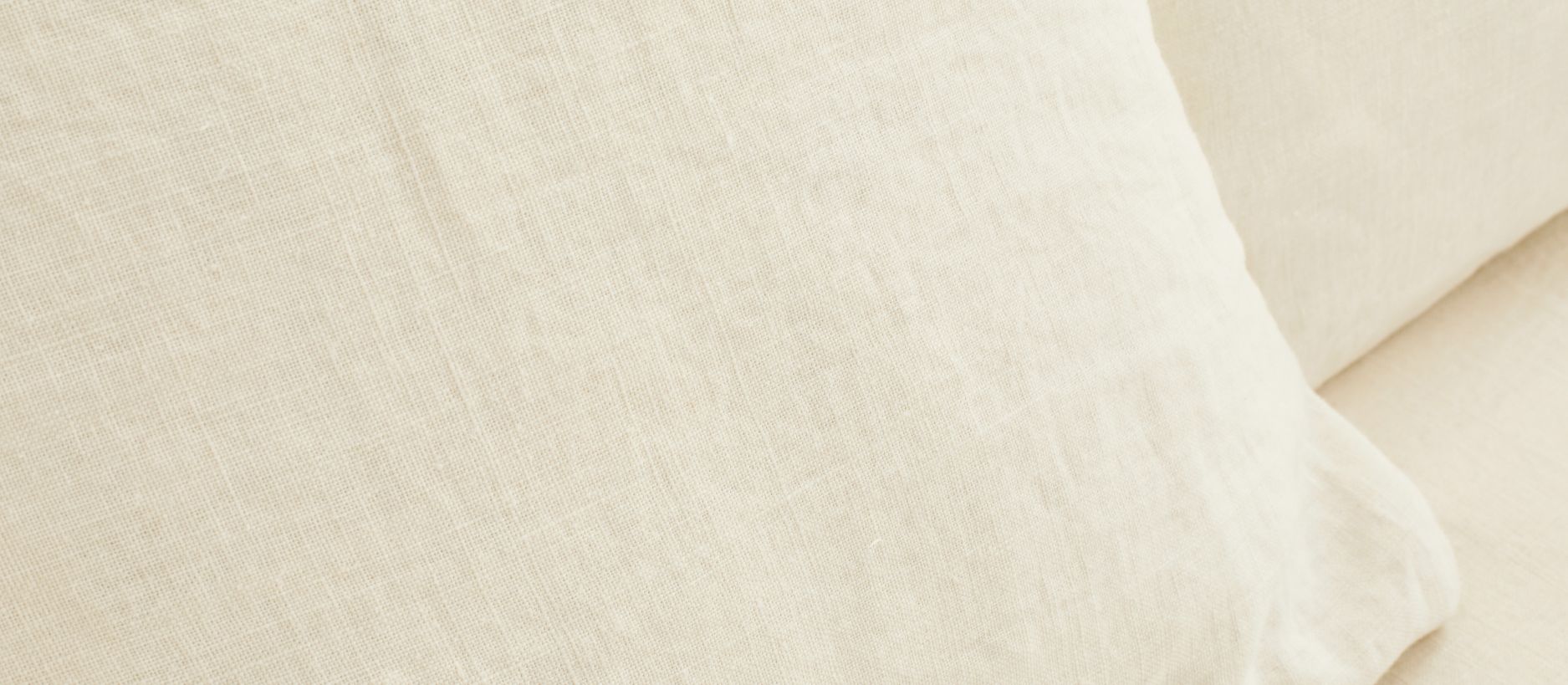
Linen is one of the oldest and most durable textile fibers used in bedding and home decor. Grown primarily in France and Belgium without artificial irrigation or pesticides, it is a naturally hypoallergenic, antibacterial, and breathable fabric. It effectively managesmoisture—a valuable property for a cushion placed on a sofa used daily.
Linen is a biodegradable material that requires little energy and no chemical treatment to weave. This is one of the reasons it has been used for centuries in household linens, bedding, and clothing.
Caring for Linen
Linen requires dry cleaning; it shrinks when exposed to heat and moisture. This is the only real limitation of a fabric that is otherwise very durable. The Kipli covers are removable and can be replaced individually, which means you don’t have to replace the entire cushion if there’s a stubborn stain.
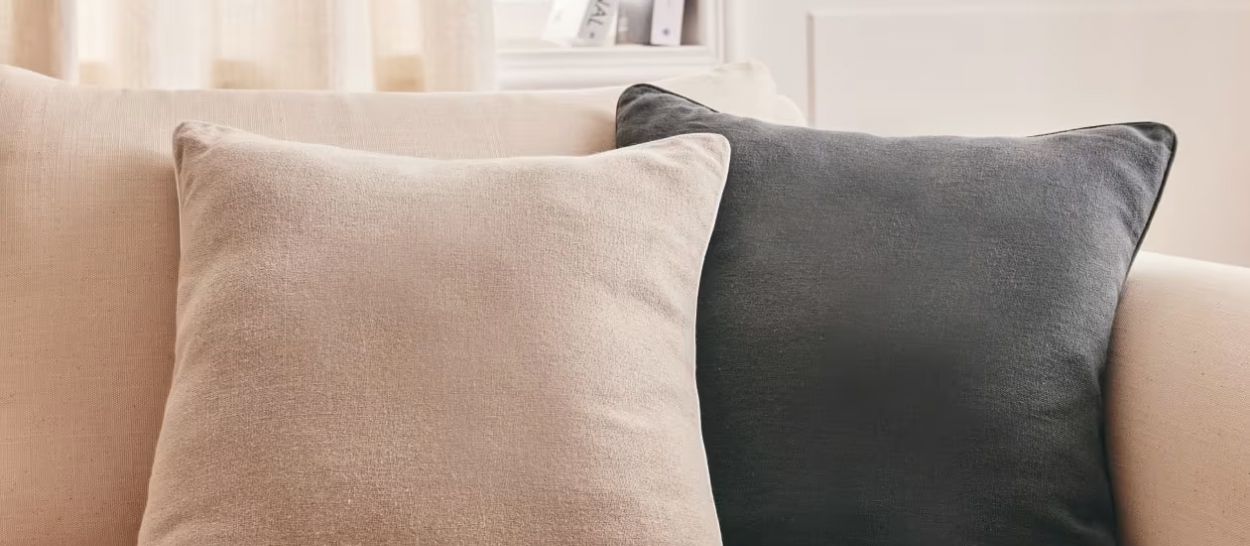
At Kipli, the 40x40 cushion cover is made of washed linen woven in France, without any chemical treatments (available in pure linen for the colors Gray, Ivory, and Natural). The ALYA decorative cushion combines a 100% linen cover woven in France with a Tencel filling.
Natural latex: the gold standard for seat cushions
What Is Latex in a Pillow?
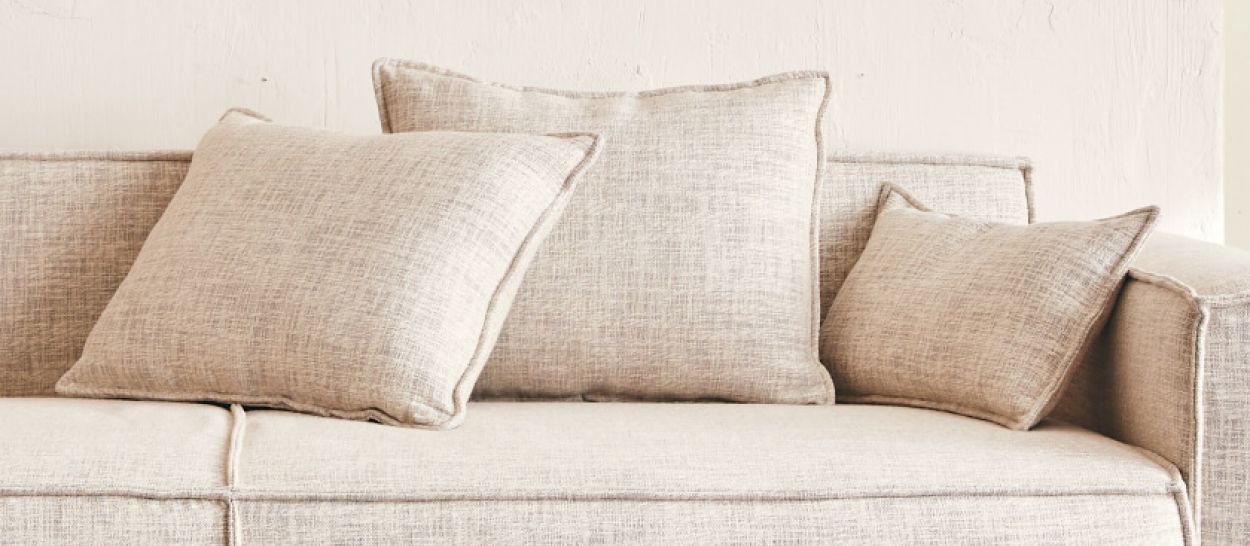
Natural latex is derived from the sap of the Hevea, a tropical tree. When processed into foam, this material produces an elastic filling that returns to its original shape after each compression, without sagging or losing its shape over time. It is naturally dust-mite-resistant and antibacterial without any added chemical treatments, and it effectively managesmoisture and perspiration—two important factors for a seat cushion used daily.
At Kipli, the FOLIA cushion features a 100% natural latex filling, providing long-lasting seating comfort without synthetic foam.
Natural Latex vs. Polyurethane Foam
Polyurethane foam is the most common material used in mid-range cushions. It is a synthetic polymer that feels comfortable when you first buy it, but its durability is limited: it sags after two to three years of heavy use and can release volatile chemicals for several months after delivery.
Natural latex is heavier, more expensive to manufacture, and requires more care duringassembly. However, it does not release VOCs, does not lose its shape, and retains its properties far beyond what a standard synthetic material can offer.
Tencel: the wood fiber
What Is Tencel?
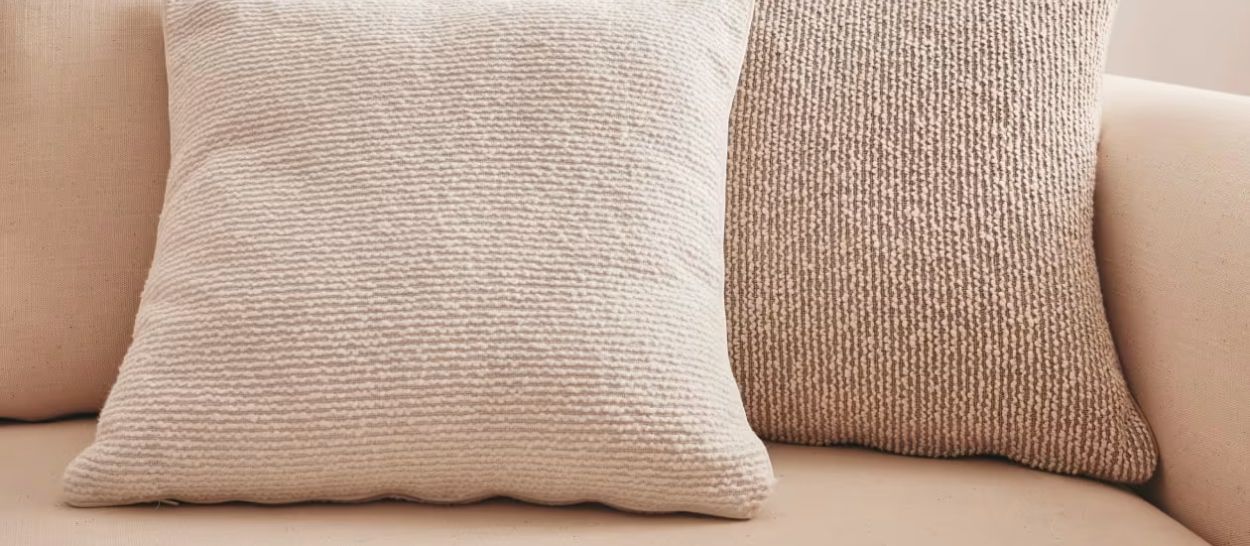
Tencel, also known as lyocell or wood fiber, is a natural fiber derived from wood pulp, produced in a nearly closed-loop manufacturing process in which more than 99% of the solvent used is recycled. It is not a synthetic fabric: it is a natural material with remarkable properties for use as cushion filling.
Tencel is naturally dust-mite-resistant and antibacterial, with no added chemicals. It effectively manages sweat andmoisture and is machine-washable at 40°C—a real advantage for cushions used daily by children or pets.
TENCEL CUSHIONS AT KIPLITencel is the filling used in our square (40x40 cm) and rectangular (30x50 cm) cushions, which feature an organic cotton cover. These cushions are designed to fit the decorative covers in our collection, including the ALYA and CAIUS cushions. All are made in France and machine washable at 40°C.
Hemp: Durability and French Traceability
What Is Hemp in Cushion Covers?
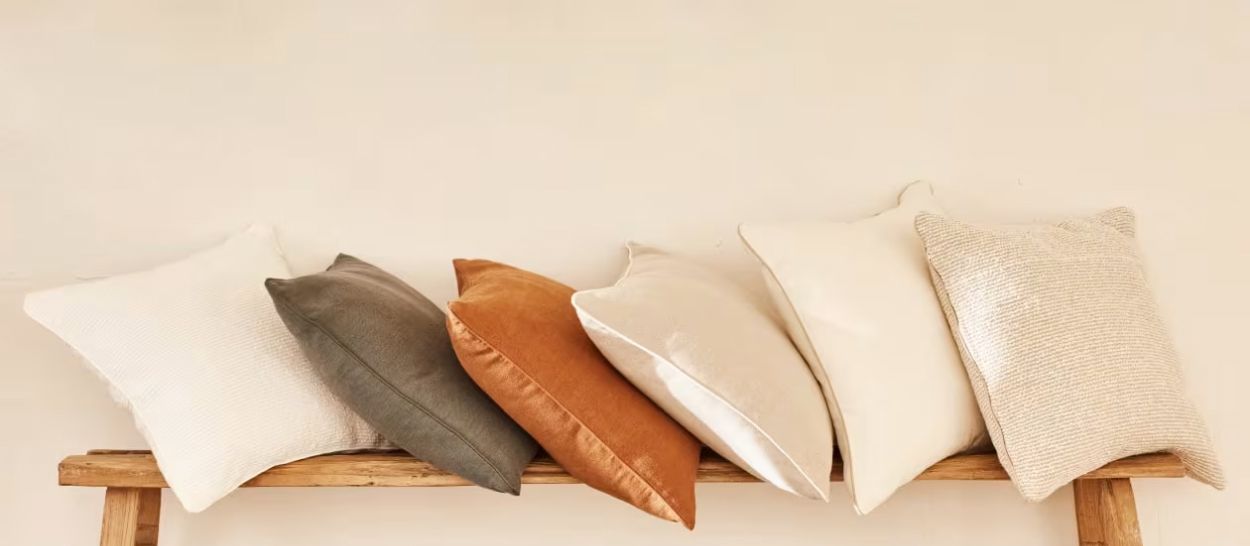
Hemp is one of the least demanding textile crops: it requires no irrigation or pesticides, grows quickly, and naturally enriches the soil. When woven, it produces a sturdy fabric that is naturally hypoallergenic and dust-mite resistant, with a durability superior to that of many other natural fibers.
The Kipli 30x50 cushion cover combines hemp harvested and woven in France with cotton (composition: 60% cotton, 40% hemp) to soften the final texture. It should be dry-cleaned. The CAIUS decorative pillow features the same combination of French hemp and cotton, woven and dyed in accordance with French standards, with a Tencel filling. The cover is removable and machine-washable.
What the combination of these materials reveals
A Manufacturing Consistency Indicator
The materials used in a pillow vary depending on the manufacturer’s philosophy. Traceable, certified linen; natural latex; recycled feathers; Tencel made from wood pulp; French hemp: each of these fibers costs more than its synthetic equivalent. This choice reflects a commitment to truesustainability, indoor health, and supply chain traceability.
It also says something about the expected lifespan of the products. A manufacturer who invests in these materials knows they will last. A manufacturer who uses virgin polyester and polyurethane foam knows that their products will be replaced in two or three years.
The EcoInstitut Label
For Kipli sofas, the EcoInstitut label certifies that the products meet strict standards for sustainability, health, and environmental impact. This is not a self-declaration; it is a verification conducted by an independent organization. It is this type of certification that helps distinguish a genuine commitment from mere marketing hype.
How to Choose Based on Your Needs
For a durable seat cushion, choose a natural latex filling. It's the material that best withstands heavy use without sagging.
For a plush backrest cushion, the combination of latex and recycled feathers offers the best balance: the latex provides structure, while the feathers add volume. The result is a cushion that retains its shape and appearance over time.
For an easy-to-maintain decorative pillow, the Tencel filling with an organic cotton cover is machine washable at 40°C. The linen or hemp covers require dry cleaning but can be replaced individually.
To ensure your bedding and home decor are in harmony, choose pillows made from fibers and fabrics whose origins you know—such as traceable linen, French hemp, and certified Tencel—and extend the same high standards you apply to your mattresses, pillows, and comforters to your home accessories. The Kipli collection is designed with this consistency in mind.
What Your Pillows Really Say
Pillows aren't just a decorative touch. They're what reveal—or conceal—the quality of a natural interior.
Certified linen fabric, high-density natural latex, recycled feathers, Tencel wood fiber, French hemp: each of these materials provides a concrete solution to a specific need. The materials we combine in a cushion say something about the sustainability, indoor health, andenvironmental impact of the piece of furniture it accompanies.
It's best to know this before you buy.
Kipli, plain and simple.