

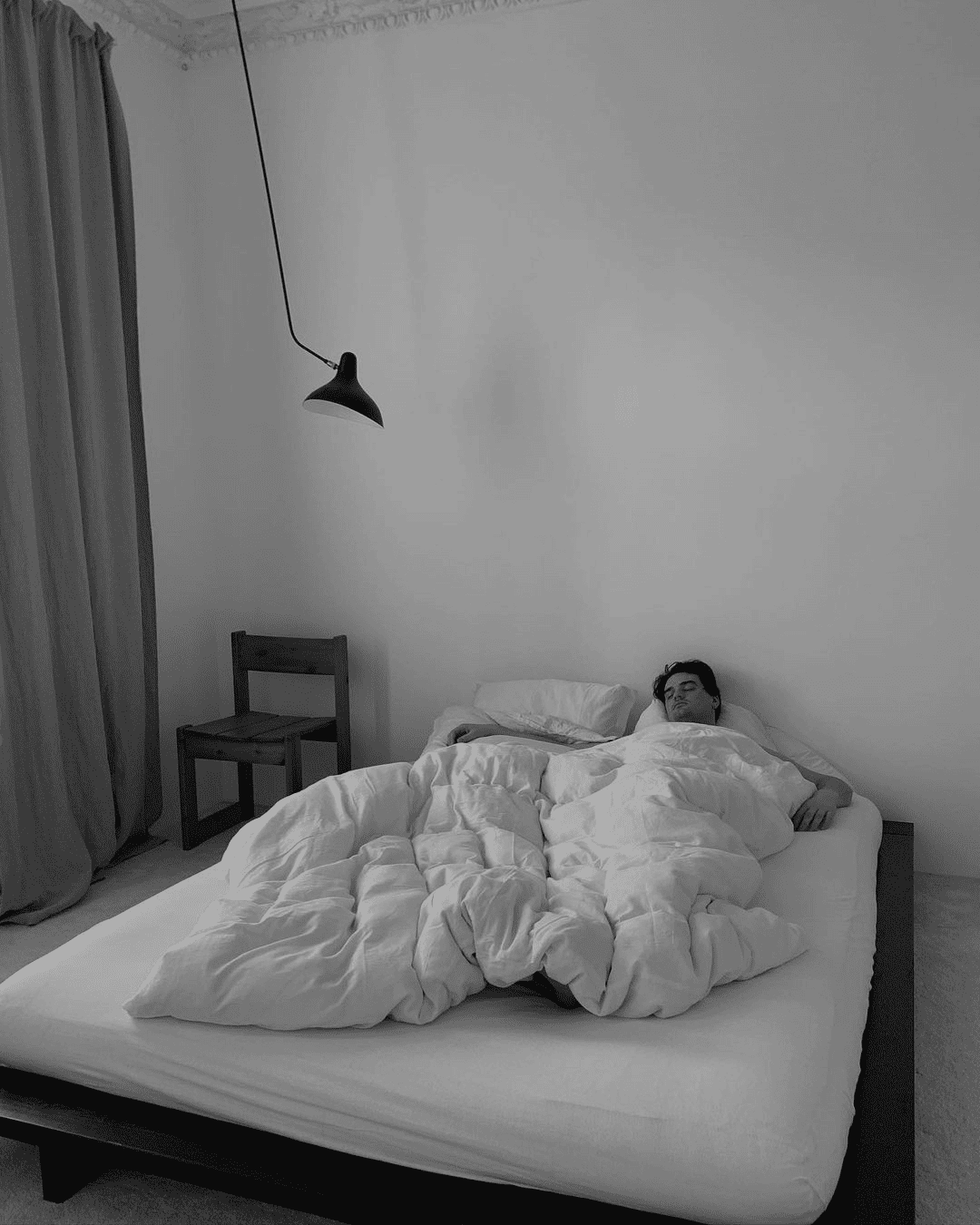
When just a few minutes are all it takes to change everything.
Sleep a Little, Live Better: A History of the Nap
There are words that seem meant to slow down the world. “Siesta” is one of them. Derived from the Latin *sexta hora* —literally “the sixth hour of the day”—it referred, among the Romans, to that moment around noon when the body and mind call for a break. A breather in the rhythm of the day.
Since then, the nap has gone through many phases. Long rooted in Mediterranean and rural cultures, it was swept aside by modernity, all too often mistaken for laziness in a world that values “more and more.” But now it’s making a quiet comeback—in Japanese offices and French homes alike, in businesses and schools.
It comes back because it heals. Because it soothes. And because it reminds us of something essential: we aren't meant to run endlessly.
The Benefits of Fragmented (and Well-Timed) Sleep
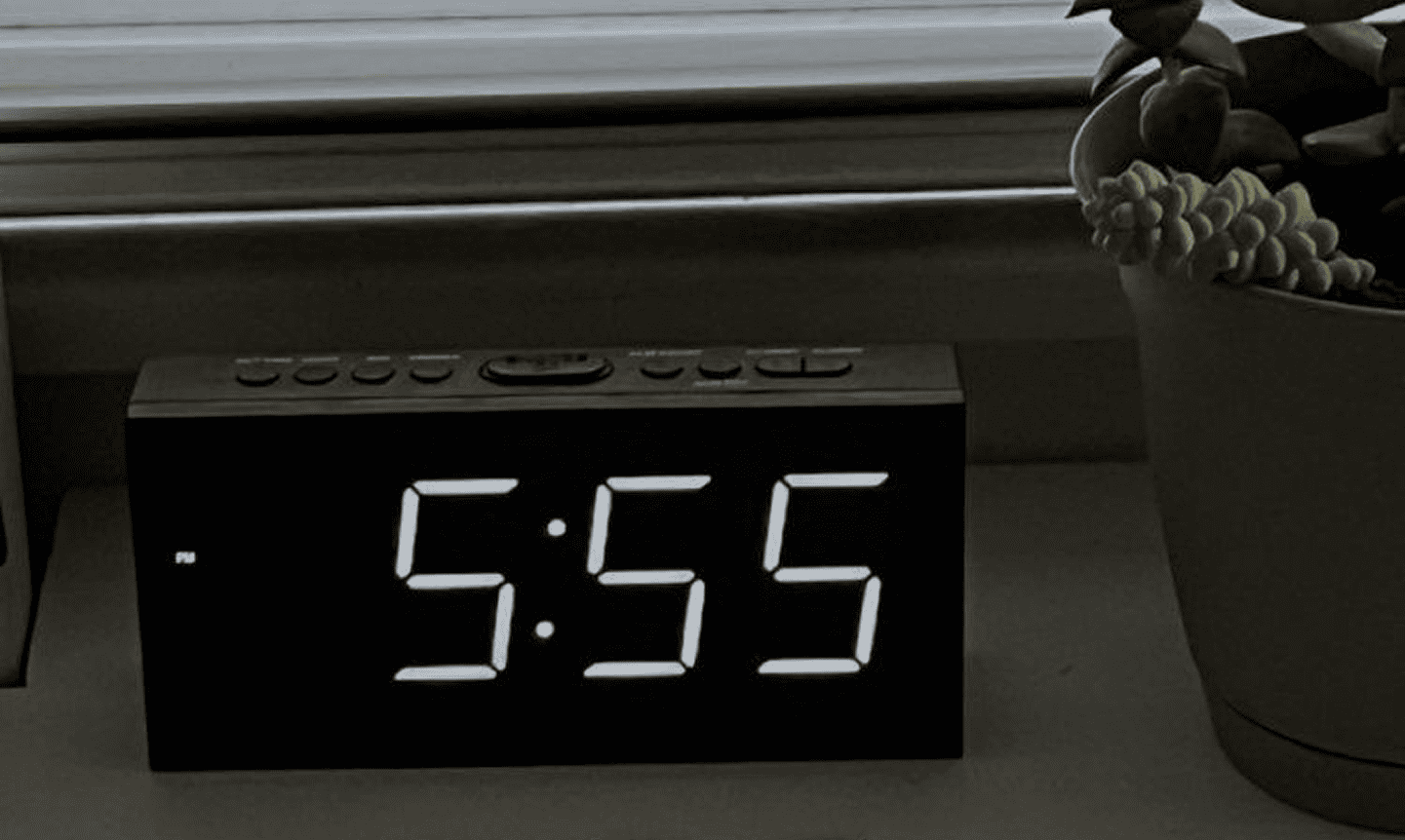
People often think that only a good night’s sleep matters. That’s not true. Science confirms it: a well-timed nap can be just as restorative as a long night’s sleep.
Just a few minutes are enough to improve memory, concentration, and mood. Ten to twenty minutes are enough to refresh your attention without falling into a deep drowsiness. Forty-five minutes rejuvenate the body. And a full 90-minute nap opens the door to the deep cycles of restorative sleep.
Even more surprising: according to some studies, people who take regular naps may have a lower risk of cardiovascular disease. It’s as if the body knew how to thank those who listen to it.
But keep in mind: it all depends on the time of day, the duration… and the setting. A good nap isn’t just a spontaneous collapse. It requires gentle preparation, like a ritual.
How can you turn your nap into a soothing ritual?
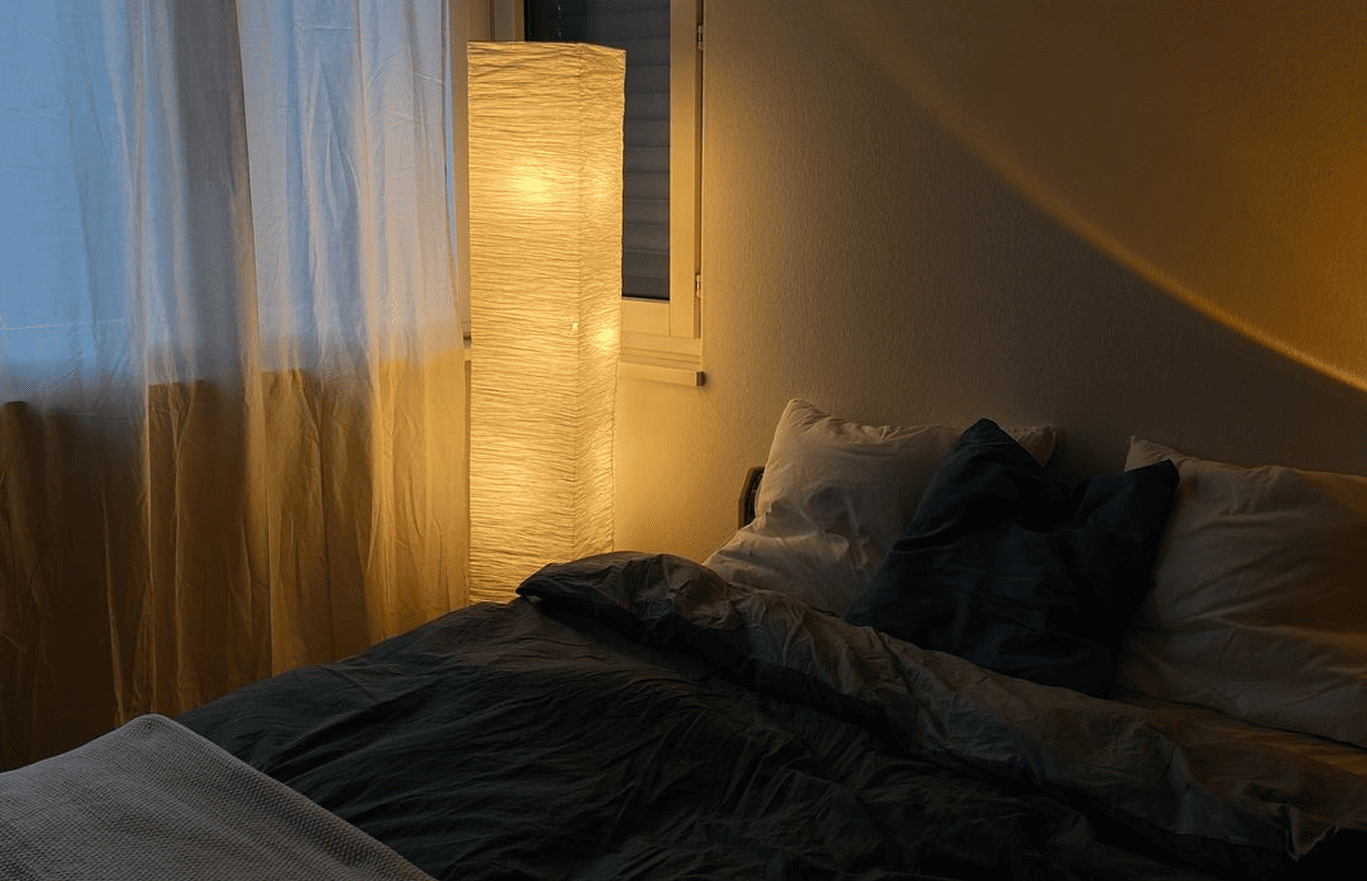
Just closing your eyes isn't enough. For true rest, the body must be able to relax completely. That's where the environment comes in.
A little shade, a moment of quiet, or a few soothing sounds. A soft pillow, a light blanket. And above all: stable, natural support.
A solid wood bed frame, for example, provides a sturdy and quiet foundation, free from squeaking or sagging. It allows the mattress to breathe and conforms to the body’s weight without resistance. It’s invisible, but essential. It’s what supports a good night’s sleep.
Even for just twenty minutes, comfort makes all the difference. Because a nap isn’t an escape—it’s an act of self-care. It’s a moment we give ourselves as an everyday gift.
What if napping became a way of life?
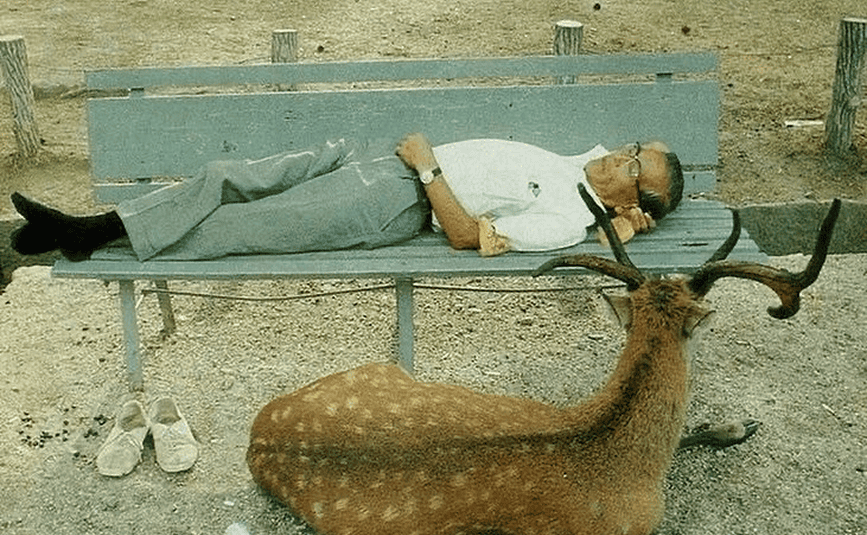
In Japan, they callit “inemuri ”: the art of dozing off for a few moments in a public place without ever completely zoning out. In Spain, “reposo ” is an integral part of the culture. In China, schools allow students to sleep after lunch.
What about us? What are we waiting for to give the nap the place it deserves?
It could become a gentle weekend habit. A ritual after returning from a walk. A break between meetings. It could find its way into bright bedrooms and unobtrusive sofa beds. It could become, at last, what it has always been: a moment of respite amid the turmoil.
Restoring the world, a few minutes at a time
You don't fight fatigue. You listen to it. You give yourself a break. You close your eyes. And everything changes.
A nap is not a luxury, nor is it a whim. It’s a form of self-care. It’s care for oneself—and for others, too, because a well-rested person is kinder, more attentive, and more present.
So, if you can, take this time. Lie down. Breathe. Let the day catch its breath along with you.
And if sleep is slow in coming, it doesn't matter. Your body will know that you listened to it.