


In a world where overconsumption and planned obsolescence dictate our purchasing habits, a countertrend is gradually emerging: the choice of sustainable objects, designed to stand the test of time and endure across generations. This approach goes beyond mere nostalgia for objects of the past; it reflects a genuine reevaluation of our relationship with consumption, memory, and environmental impact. How did we get to this point? What are the alternatives to disposable consumption? And above all, how can we encourage the passing down of objects that are central to our lifestyles?
A Return to the Values of Sustainability
An old model resurfaces
Before the era of large-scale industrial production, most consumer goods were designed to last. Solid-wood furniture, mechanical watches, porcelain tableware… Each item was carefully crafted and could be repaired, restored, and passed down through generations.
Traditional societies operated on a model of natural transmission: a family wardrobe was passed down from grandparents to children, tools were reused for decades, and clothing was repurposed, transformed, or altered for new uses.
The Age of the Ephemeral and the Disposable
With the rise of industrial capitalism and mass production, objects have become more accessible but also more ephemeral. The emergence of inexpensive plastics, synthetic textiles, and new consumption patterns focused on speed have contributed to a gradual decline in interest in passing objects down through the generations.
According to a study by ADEME (the French Agency for Ecological Transition), each French person currently produces an average of 580 kg of waste per year, much of which comes from everyday consumer goods that are quickly replaced.
Why encourage the passing down of objects?
A Major Environmental Impact
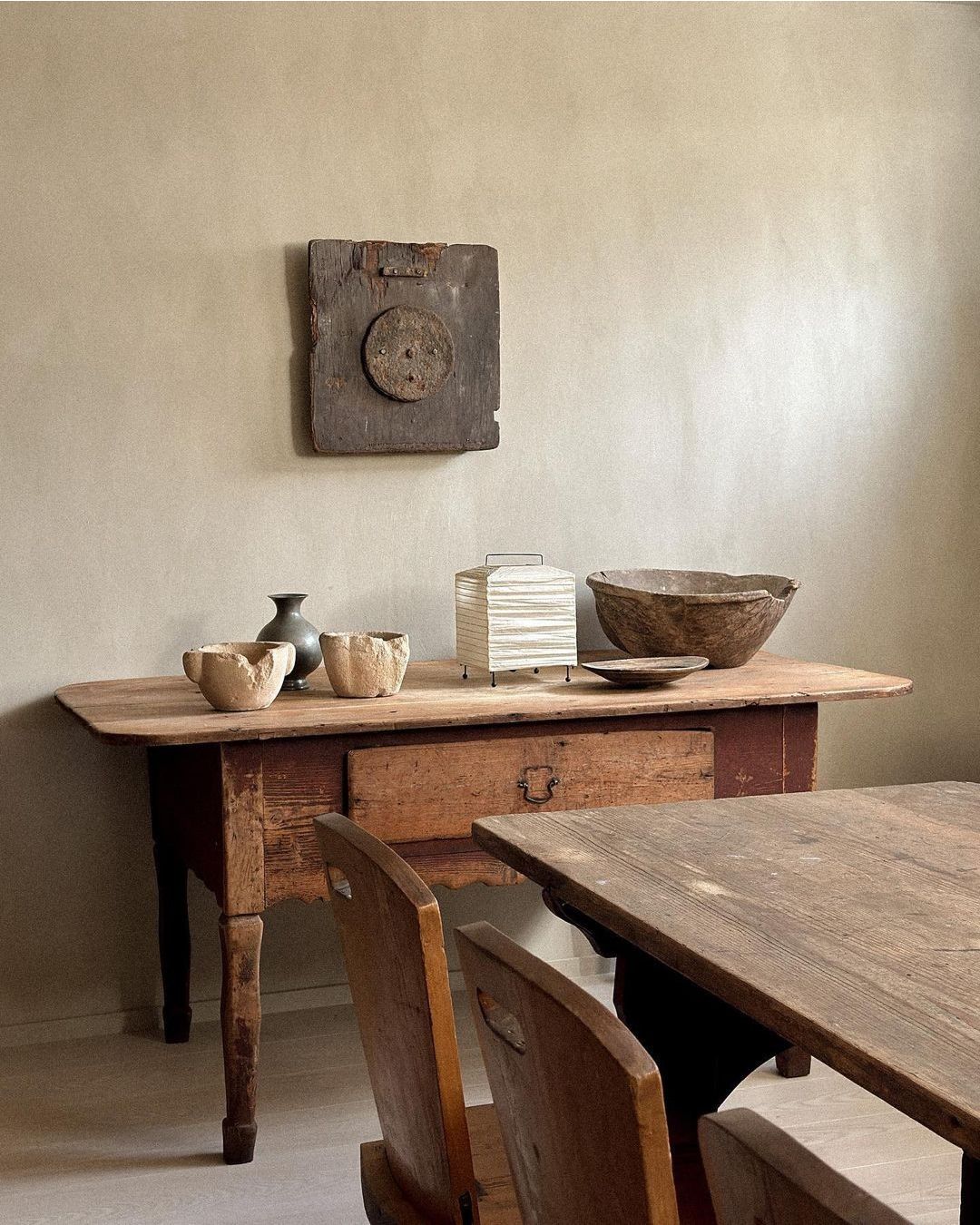
Choosing durable, heirloom-quality items is, above all, an environmentally friendly choice. Producing less but better helps reduce the carbon footprint associated with the manufacturing and transportation of goods.
Some key figures:
- Manufacturing a piece of solid wood furniture generates up to 50% fewer emissions than manufacturing a piece of disposable particleboard furniture.
- According to the Ellen MacArthur Foundation, keeping a garment for nine more months reduces its environmental impact by 20 to 30 percent.
An Economic and Heritage-Focused Approach
Far from being a luxury reserved for the few, passing down items can also lead to substantial savings. Rather than buying the same lower-quality product multiple times, investing in a durable item becomes a more economically viable solution in the long run.
In addition, some items increase in value over time:
- High-quality mechanical watches are often resold at a higher price decades later.
- Well-maintained solid wood furniture becomes collectible.
- High-end clothing and accessories are passed down from generation to generation, especially in the world of vintage fashion.
How can we promote this new approach to consumption?
Choose items designed to last
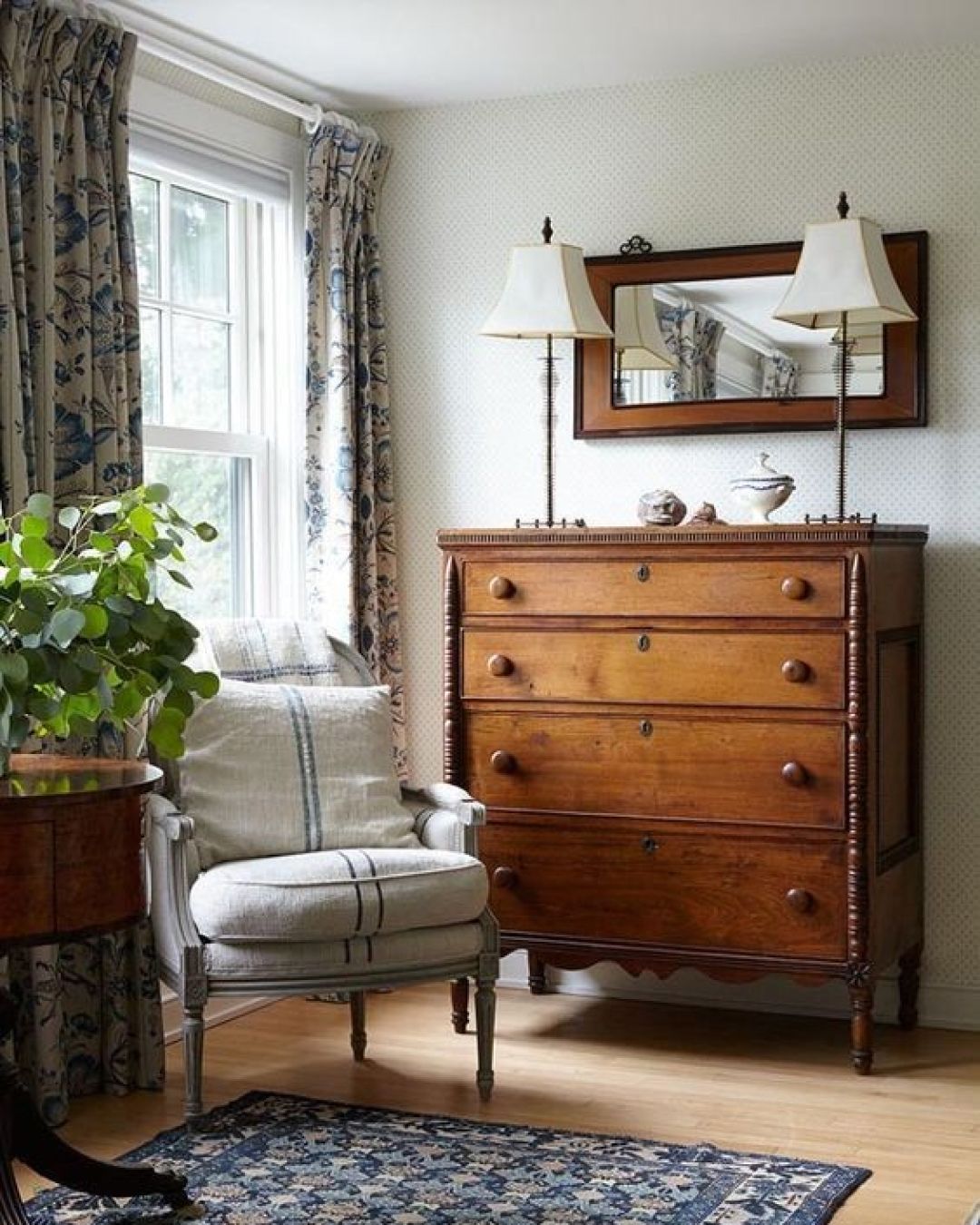
One of the first steps is to rethink how we choose our everyday items. Here are a few criteria to keep in mind:
- High-quality, durable materials (solid wood, vegetable-tanned leather, stainless steel, glass, linen, wool, etc.).
- Repairable design: prioritize objects that can be disassembled and have interchangeable parts.
- Labels and certifications that guarantee sustainability (FSC for wood, Oeko-Tex for textiles, etc.).
Adopting the Right Maintenance and Restoration Practices
A well-maintained item is one that lasts. Here are a few best practices:
- Oil and wax wooden furniture to prevent it from deteriorating.
- Have mechanical watches and household appliances serviced regularly.
- Repair instead of throwing away by hiring local craftsmen or joining initiatives like Repair Cafés.
Encourage sharing and passing down traditions within the family
For an object to be passed down, it must also have a story and sentimental value. Here are a few ideas for bringing the tradition of passing down possessions back into fashion:
- Create a hand-down journal to record the history and care of an object (e.g., who bought it, for what occasion, and what memories are associated with it).
- Give timeless items as family gifts (e.g., a watch, a piece of jewelry, a beautiful piece of furniture).
- Establish family traditions centered around certain objects (e.g., a porcelain dinner set used for special occasions).
Initiatives That Promote Knowledge Transfer
Brands that champion sustainability
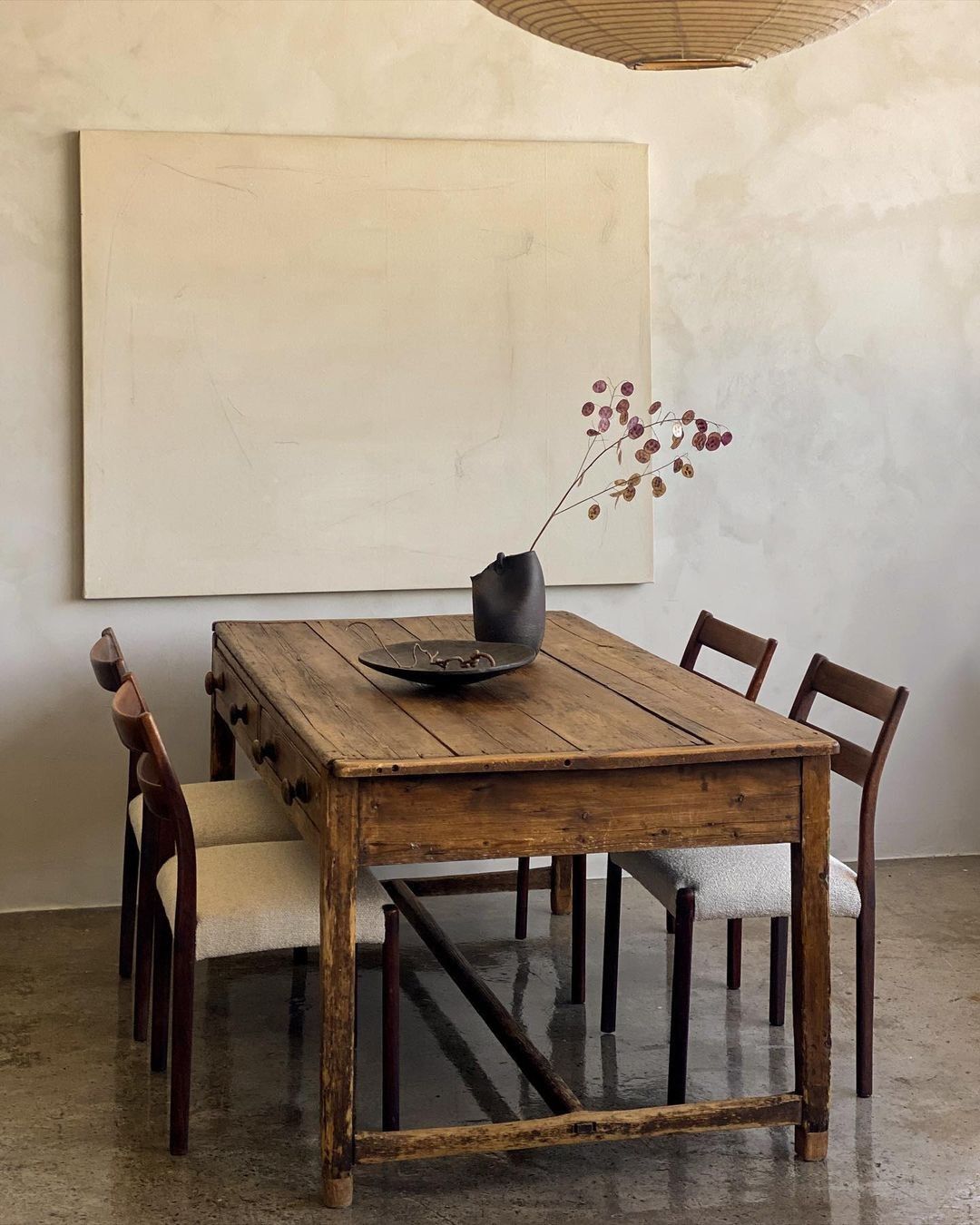
In response to growing consumer awareness, some brands are committing to producing items designed to be passed down through generations. Examples include:
- Opinel, which manufactures wooden and stainless steel knives with a lifetime warranty.
- Le Creuset, whose cast-iron pots have been passed down through generations.
- Vétra, which carries on the tradition of crafting sturdy and durable workwear.
- Facom, whose tools come with a lifetime warranty upon presentation of the tool.
The Boom in the Secondhand Market
Resale and exchange platforms are experiencing explosive growth, proof that attitudes are changing. In 2023, more than 50% of French people bought at least one used item (source: IFOP). Sites like Leboncoin, Vinted, and Back Market help extend the life of items and give them a second chance.
Object Libraries and Long-Term Rental
Another model is emerging: the sharing of items. Some cities offer “item libraries” where people can borrow tools for DIY projects, cooking, or leisure activities instead of buying them. This model promotes more thoughtful and collaborative consumption.
Toward a New Way of Life
Adopting a consumption approach focused on passing things down is much more than just a purchasing decision—it’s a philosophy. It is based on respect for resources, intergenerational connections, and an appreciation for well-made objects.
This return to the essentials is not a rejection of progress, but a way to reinvent our relationship with consumer goods by restoring their emotional and functional value. After all, the objects that stay with us over the years are often the ones that hold our most cherished stories.
What if, starting tomorrow, every purchase were thought of as a legacy?
Did this article inspire you? Share it and help promote this new way of consuming!