


Sleep is a universal necessity, but our nights haven’t always been like the ones we experience today. From prehistory to the Industrial Age, sleeping habits, materials, and even our perception of sleep have evolved over the centuries. By revisiting the history of sleep, we discover not only the ingenuity of our ancestors but also forgotten practices that could still inspire us today.
In Prehistory: A Rudimentary but Well-Thought-Out Bed
The earliest beds date back more than 200,000 years. Contrary to the image of a simple pile of leaves, archaeological excavations in South Africa have revealed that our ancestors were already using layers of plant material stacked on top of one another. These rudimentary beds, made of grass and branches, were not just for comfort: they also served as protection against insects and ground moisture. Some peoples even added plants with repellent properties, such as camphor or certain varieties of wild mint, to keep pests at bay.
In addition, some nomadic tribes developed portable sleeping arrangements, using animal hides stretched over wooden frames—a precursor to the first hammocks and camp beds.
Antiquity: Segmented Sleep and the First Mattresses
In the great ancient civilizations, sleeping arrangements became more elaborate. In Egypt, the wealthiest people slept on raised wooden beds—sometimes carved—with mattresses made of reeds or wool. The pharaohs even had pillows made of stone or wood, which were believed to keep the head in an optimal position for the flow of vital energy.
The Romans, for their part, used wooden or metal frames, topped with mattresses stuffed with feathers, wool, or hay. They also perfected the use of bed frames made of interwoven leather slats, which improved sleeping comfort.
But even more interesting is that sleep patterns in ancient times differed from ours. The practice of segmented sleep was common: people slept in two distinct phases, separated by a period of wakefulness during which they prayed, read, made love, or talked with those around them. This habit, mentioned in Latin and Greek texts, was common until the 18th century and may explain why some people today naturally wake up in the middle of the night.
The Middle Ages: From Shared Comfort to Private Rooms
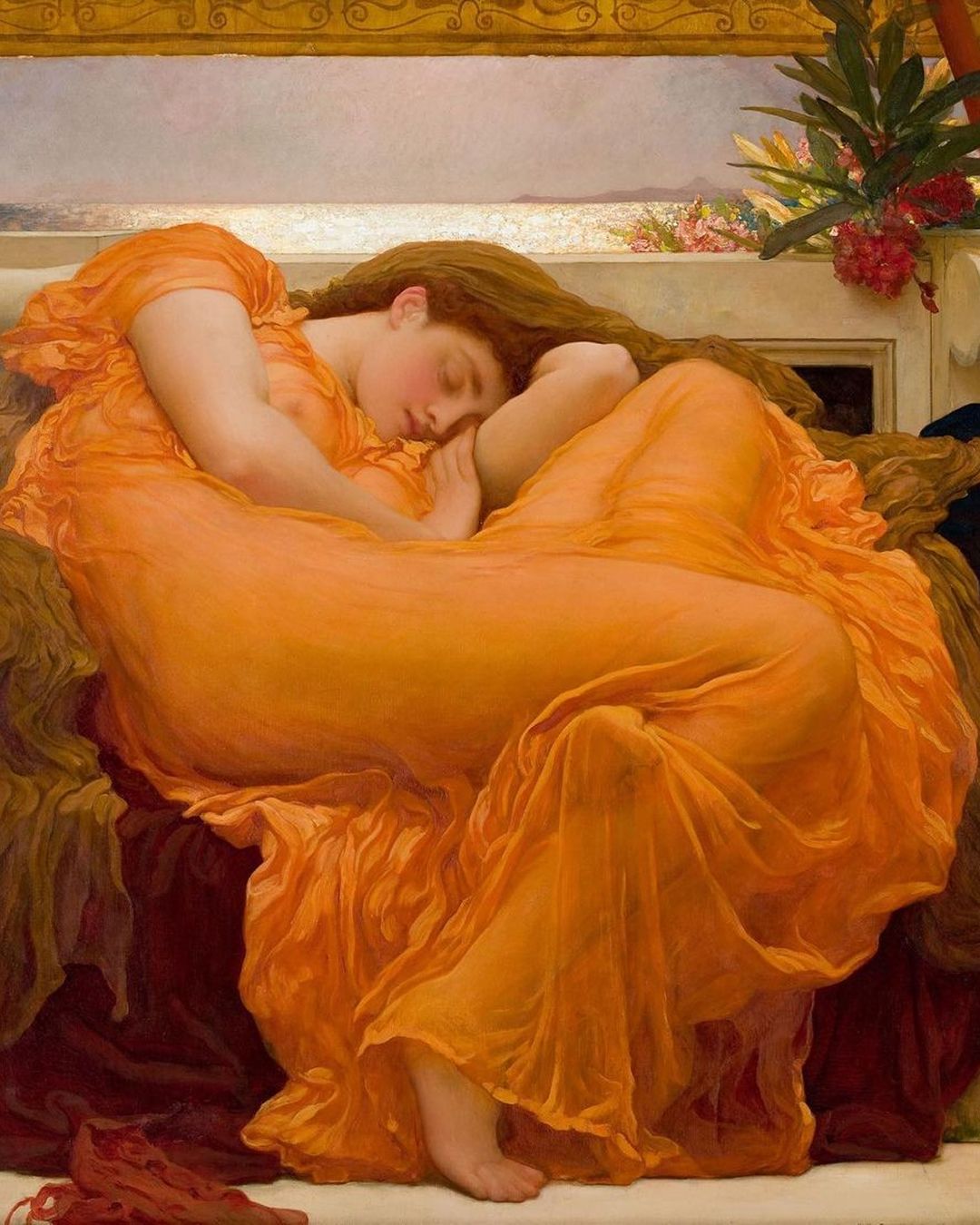
In the Middle Ages, people’s understanding of sleep was deeply influenced by their communal way of life. Peasants often slept on mats made of straw or leaves, laid directly on the ground, sometimes covered with a blanket of coarse wool. To keep out moisture and cold, some raised their sleeping areas using wooden planks or stones.
In stately homes, the bed became a symbol of prestige. It was often enclosed by thick curtains, not only to retain heat but also to ensure a modicum of privacy in rooms where several people slept together. Sleep in the Middle Ages remained a communal activity, and it was not uncommon for servants, children, and adults to share the same room.
Another surprising detail: at that time, it was recommended to sleep in a semi-seated position, particularly to prevent acid reflux and respiratory problems. That is why some beds were slightly inclined or propped up with multiple pillows.
The Renaissance and the Modern Era: Toward the Refinement of Bedding
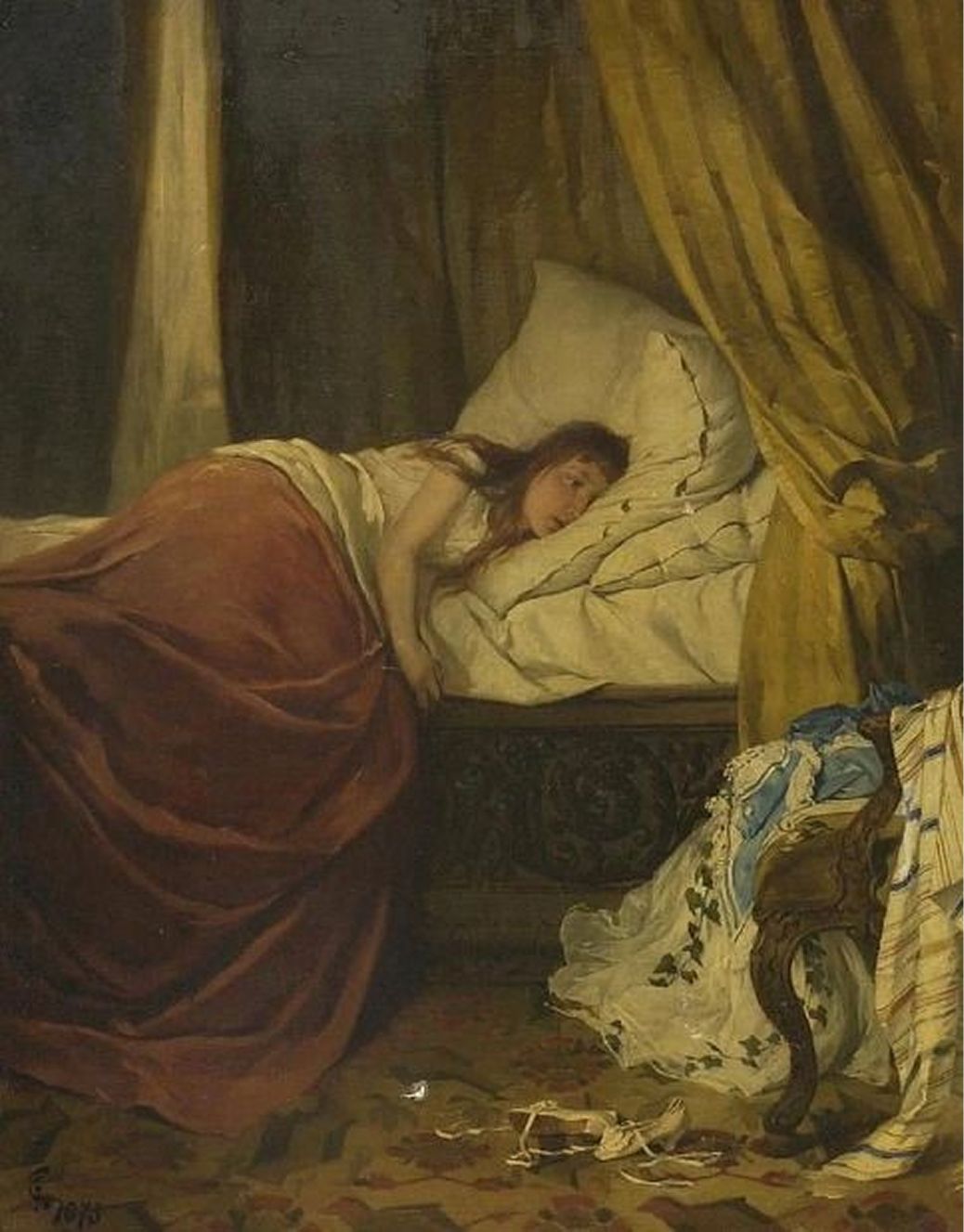
During the Renaissance, bedding became a symbol of social status. Four-poster beds appeared, serving both to retain heat and to assert one’s status. Materials evolved: horsehair, wool, and even cotton—which were softer and provided better insulation—became the preferred choices.
The 18th century also saw the emergence of new ideas about sleep. People began to theorize about its importance for health. Benjamin Franklin, for example, emphasized the need to keep one’s bedroom well ventilated and to sleep in clean sheets to avoid illness.
This was also the period when the concept of monophasic sleep began to gain traction with the widespread adoption of artificial lighting. The two-part sleep pattern, once so common, then began to gradually disappear.
The Industrial Age: Standardization and New Materials
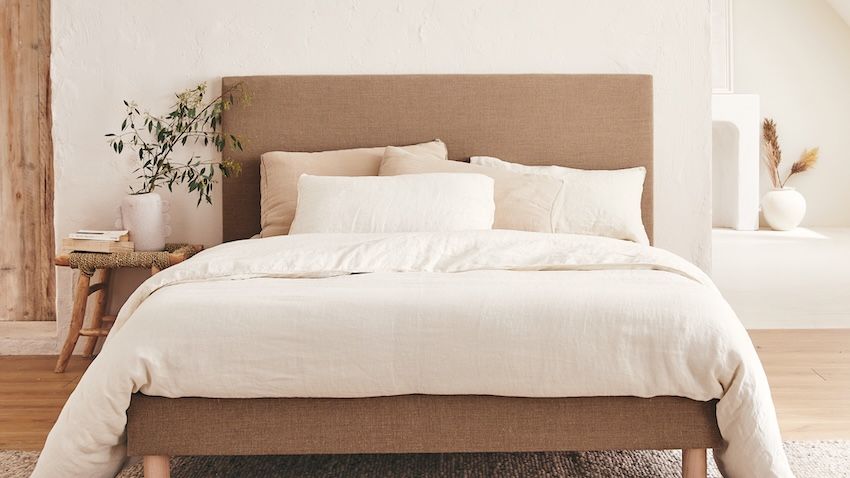
With the Industrial Revolution, sleep patterns became more uniform. Gas lighting, followed by electric lighting, disrupted natural rhythms, reducing the amount of nighttime rest. In cities, where workdays grew longer, sleeping through the night became the norm.
At the same time, technological advances led to the rise of spring mattresses and the use of more comfortable materials such as latex and cotton. The mattress industry boomed, and the bed became a standardized item. It was also during this period that the idea of a separate bed for each person emerged, marking a break from the past when people often shared a bed.
Starting in the 20th century, industrial manufacturing radically transformed mattress design. The solid wood used in bed frames was gradually replaced by metal or composite wood structures, which were lighter but also less durable. The growing use of synthetic materials, such as memory foam made from petrochemical derivatives, became widespread for economic and practical reasons. Less expensive to produce and easier to standardize, these new mattresses appealed to an industry seeking to optimize production. However, they moved away from the natural materials used for centuries, raising questions about health, their environmental impact, and the quality of sleep they provide.
And today? A return to core values
While our sleeping habits have changed significantly, some ancient practices still resonate with our modern concerns. Segmented sleep, for example, is once again attracting the interest of researchers, as it may better align with humans’ natural biological cycles.
Similarly, the use of natural materials such as latex or wool—once widely popular—is making a strong comeback as environmental awareness grows. Minimalist, Japanese-inspired beds that sit close to the floor evoke certain ancestral traditions and promote better posture.
The history of sleep offers a fascinating insight into our relationship with the night and our well-being. By drawing inspiration from the past, we can rethink our nights and rediscover a more intuitive connection with our need for rest.