


Indoor Pillows: Which Materials to Choose and Prioritize
Interior throw pillows are a must-have for any living room or bedroom decor. Whether round, square, or rectangular, they can be used in any shape—as long as you choose the right size, filling, and texture. Interior throw pillows can enhance and complement sofas, armchairs, and chairs in living rooms and family rooms. Placed on the floor, they can also brighten up a child’s bedroom or an office, while on a bed, they create a chic and luxurious look.
However, should you choose them based on their material? If so, how do you make that choice? Let’s take a closer look at the different materials used for indoor cushions and their specific characteristics.
Indoor Cushion Materials You Should Know About
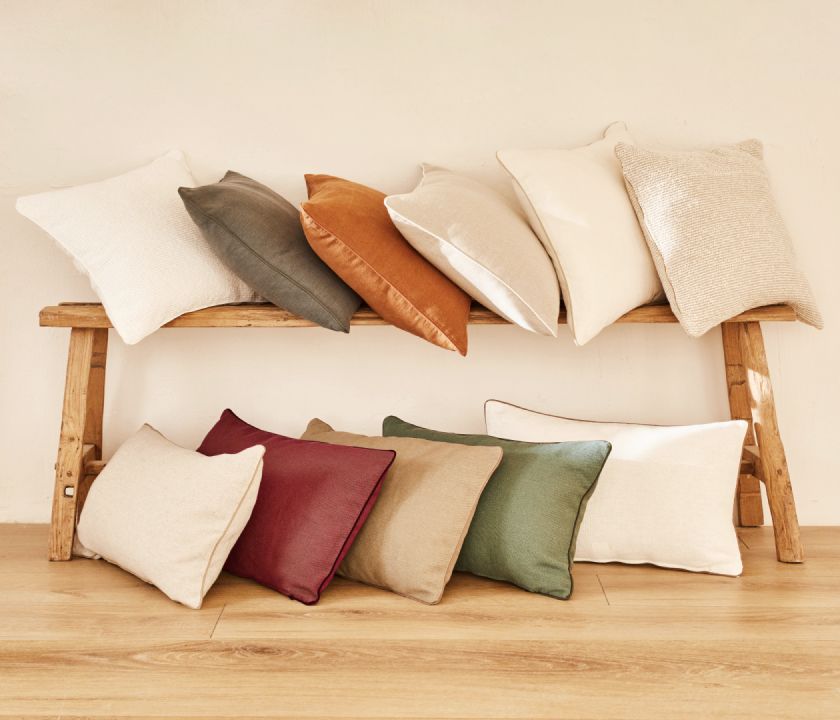
Indoor cushions can be made from a variety of materials, such as linen, cotton, suede, velvet, leather, or synthetic fabrics.
- Leather cushions are prized for their stain resistance. However, leather is a material that requires regular care using products that can be expensive. Since leather is prone to drying out and can be scratched by pets, it should also be avoided if there is a risk of exposure to greasy substances, which can become embedded in the leather and leave stains.
- Velvet pillows are popular for the chic look they add to the sofa or bed they adorn. However, they are prone to collecting dust and should therefore be avoided by anyone with allergies or sensitivity to dust and dust mites.
- Cotton cushions have many qualities. The fabric is breathable yet surprisingly durable. They also have the advantage of being versatile: they can be used in any room and complement a variety of decor styles.
- Linen cushions meet the durability requirements necessary for living room and bedding linens. They withstand regular care, friction, and heavy use. In terms of comfort, linen is a breathable, hypoallergenic fabric that performs well, particularly when it comes to managing sweat.
This list is not exhaustive, but it provides a quick overview of the qualities you should consider when choosing pillows and home linens in general.
Criteria for Choosing Cushion Fabric
The design of an indoor pillow should be chosen to complement the furniture, decor, and textures it will enhance.
Criteria related to the type of room
Depending on the room you're decorating, the fabrics you choose for your throw pillows will vary. For example, in a frequently used living room or in children's bedrooms, it's a good idea to choose fabrics that are easy to care for and, above all, durable enough to withstand repeated washing and everyday wear and tear (rubbing, friction, etc.).
In master bedrooms or double beds, you canexperiment with textures and colors, as long as you make sure the pillows are handled properly and aren’t exposed to too much dirt. This way, indoor pillows with pleated, embroidered, or pom-pom covers will be protected from heavy cleaning and will last longer.
Maintenance criteria
Choosing an indoor cushion based solely on its aesthetic qualities is not enough. In fact, factors related to health and ease of care are important. These factors not only contribute to comfort during use but also to the product’s longevity. Therefore, it is important to consider the following criteria when searching for the ideal indoor cushion:
- the ability to wash it easily, which means the cushion should have a zippered cover, for example. This makes it easy to remove the cover for washing and maintaining the cushion, as well as helping to keep the environment and your home healthy;
- the ability to remove the cushion cover, as this makes it easy to change the color or style if you get tired of it;
- the use of natural or plant-based fibers, which make care easier and reduce the costs associated with household cleaning products for textiles and other household linens. Indeed, specific materials that require special care and specific cleaning products demand a larger budget. This also has environmental and health implications when these products contain toxic ingredients.
In light of the points mentioned above, natural and certified organic materials meet all of these requirements. With that in mind, we’ll outline below the benefits of natural materials such as linen and cotton when choosing indoor cushions.
The Benefits of Natural Materials in Indoor Pillows
Plant fibers are valued in the manufacture of household textiles in a variety of ways.
The Health Benefits of Organic Cotton and Linen
Plant-based fibers used in the production of textiles and home linens have an undeniable advantage over synthetic materials. One of the primary benefits of these materials is their compatibility with indoor health standards. Indeed, among the properties of natural plant-based fibers are:
- high absorbency (absorbs moisture and sweat);
- thermoregulation;
- hypoallergenic properties;
- the absence of toxicity.
These features ensure that cushions made of linen or cotton can be used with peace of mind in a family setting. By choosing products that are certified eco-friendly and produced through responsible manufacturing practices, consumers help create a healthier home environment.
The Stylistic and Aesthetic Qualities of Cotton and Linen
Linen and cotton have been used in the manufacture of clothing and textile products for centuries. They come in a wide variety of styles and colors to suit every taste and style.
- Cushions made from this type of fabric are available in simple, understated, solid colors to complement a classic or minimalist decor.
- Embroidered linen or cotton pillows are the best choice to complement a bohemian or hippie interior design.
- Printed cotton or linen throw pillows blend seamlessly into rooms decorated in modern or even classic styles. They can also serve as an alternative to velvet throw pillows when you're looking for a chic and luxurious look.
Furthermore, the widespread use of linen and cotton in home textiles offers shoppers a wide range of possibilities for creating different combinations and mixes. This makes it possible to pair solid-color cushions with ones in vibrant colors or featuring rich patterns.
We recommend these other pages:
- What shape should you choose for your sofa cushions?
- What shape should you choose for your chair cushions?
- Rectangular, square, or round cushions: Which one should you choose?
- What color should you choose for your decorative throw pillows?
- How do you choose the right size for your pillows?
- Why choose a linen pillow?