

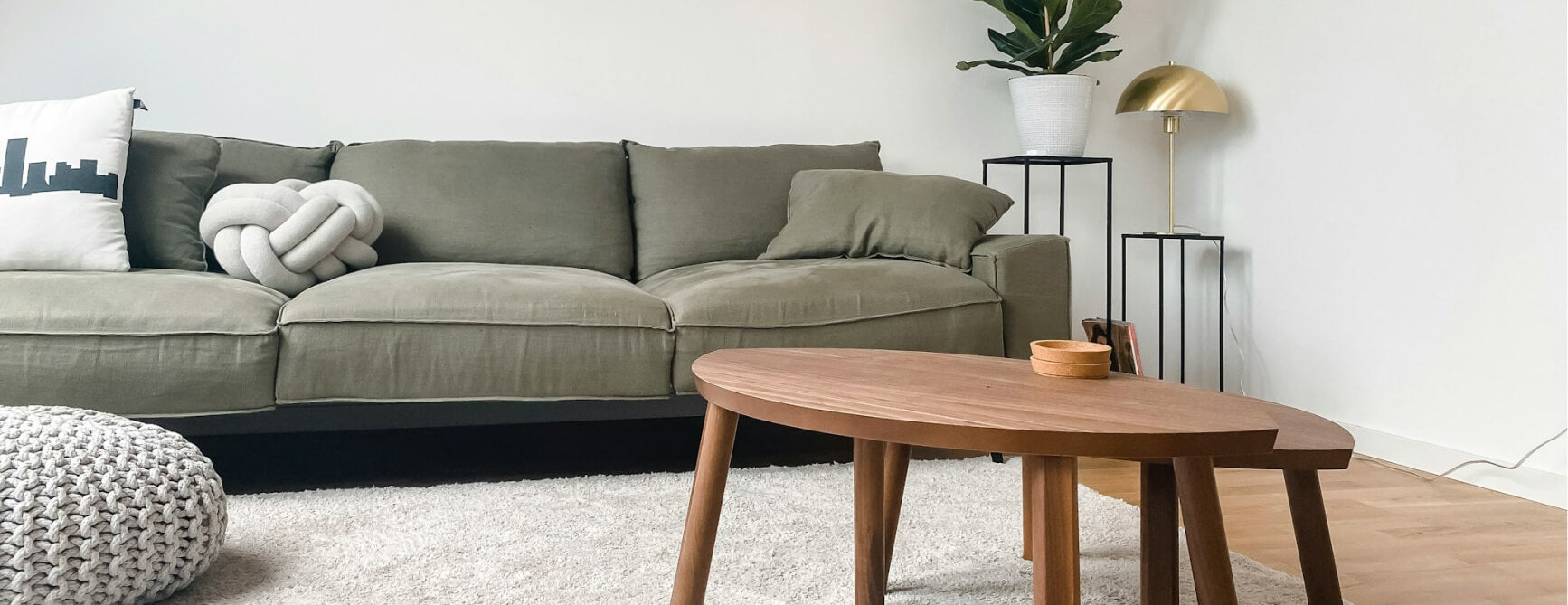
Today, environmental awareness is growing in our society. We are making certain decisions that benefit the environment. While these efforts are commendable, we still need to do more. Our planet is suffering; global warming is intensifying; biodiversity is collapsing. That is why it is essential to open our eyes to the production methods behind the many objects and pieces of furniture that surround us.
Among them is the sofa, which we rarely suspect of harming the environment. Yet most standard sofas (straight sofas or sleeper sofas) are made of problematic materials such as polyester or polyurethane. How are these materials manufactured? What about leather and its natural qualities?
A closer look at synthetic sofa upholstery, the environmental risks it poses, and why it’s best to avoid it in favor of sofa upholstery made from natural fabrics.

Polyester, polyamide, polyurethane, acrylic, and other synthetic components of microfiber
Microfiber sofa upholstery is often praised for its attractive appearance. Its tightly woven fabric makes microfiber upholstery water-resistant and resistant to stains and scratches from pets. In terms of value for money, microfiber is also an attractive option for sofa upholstery. However, upon closer inspection, microfiber has serious environmental and health drawbacks.
A Closer Look at Polyester and Polyamide, the Components of Microfiber
First of all, we should ask ourselves: How is microfiber made? Whether it has a classic look or an Alcantara-style finish—a type of upholstery that mimics suede—microfiber is primarily composed of synthetic materials. These include polyester, acrylic, polyurethane, and polyamide 6-6, better known as nylon. More specifically, it can be a 100% polyester fabric or a blend of several synthetic materials. However, the end result is the same. In fact, all synthetic materials are derived fromthe petrochemical industry.
The Impact of Microfibers on the Environment and Our Health
Polyester, polyamide, polyurethane, and acrylic cannot claim to belong to the category of sustainable materials. From an environmental standpoint, these synthetic materials are actually quite disastrous. First of all, these materials are derived from plastic, which in turn comes from petroleum. We don’t need to look any further: as a fossil fuel, petroleum is highly polluting for the planet.
Furthermore, the production of synthetic fabrics is energy-intensive and requires an enormous amount of water. Finally, microfiber acts as a ticking time bomb for marine ecosystems. In fact, during a machine wash, a microfiber sofa cover releases thousands of microparticles. Carried by wastewater, these microparticles eventually end up in the ocean because they are too small to be filtered out by wastewater treatment plants. These microparticles, which originate from the petrochemical industry, ultimately end up in the stomachs of fish—and then in ours.
Modal and viscose: Are they natural fabrics?
Modal and viscose are often classified as materials derived from natural resources. While this statement remains true, it should be noted that both of these cellulose-based materials (bamboo, eucalyptus, beech, etc.) undergo numerous chemical treatments. Originally, both materials offered a good alternative to silk. Soft and durable, modal and viscose are in fact materials composed of artificial fibers, as the chemicals largely override the cellulose.
In fact, the two materials used in some sofa covers are the result of a polluting and toxic chemical process. Cellulose, in particular, is mixed with caustic soda, sulfuric acid, ammonia, carbon disulfide, and other substances. This raises questions about the chemical waste generated by these various treatments. Furthermore, modal and viscose contribute to global deforestation and require enormous amounts of water during their production.
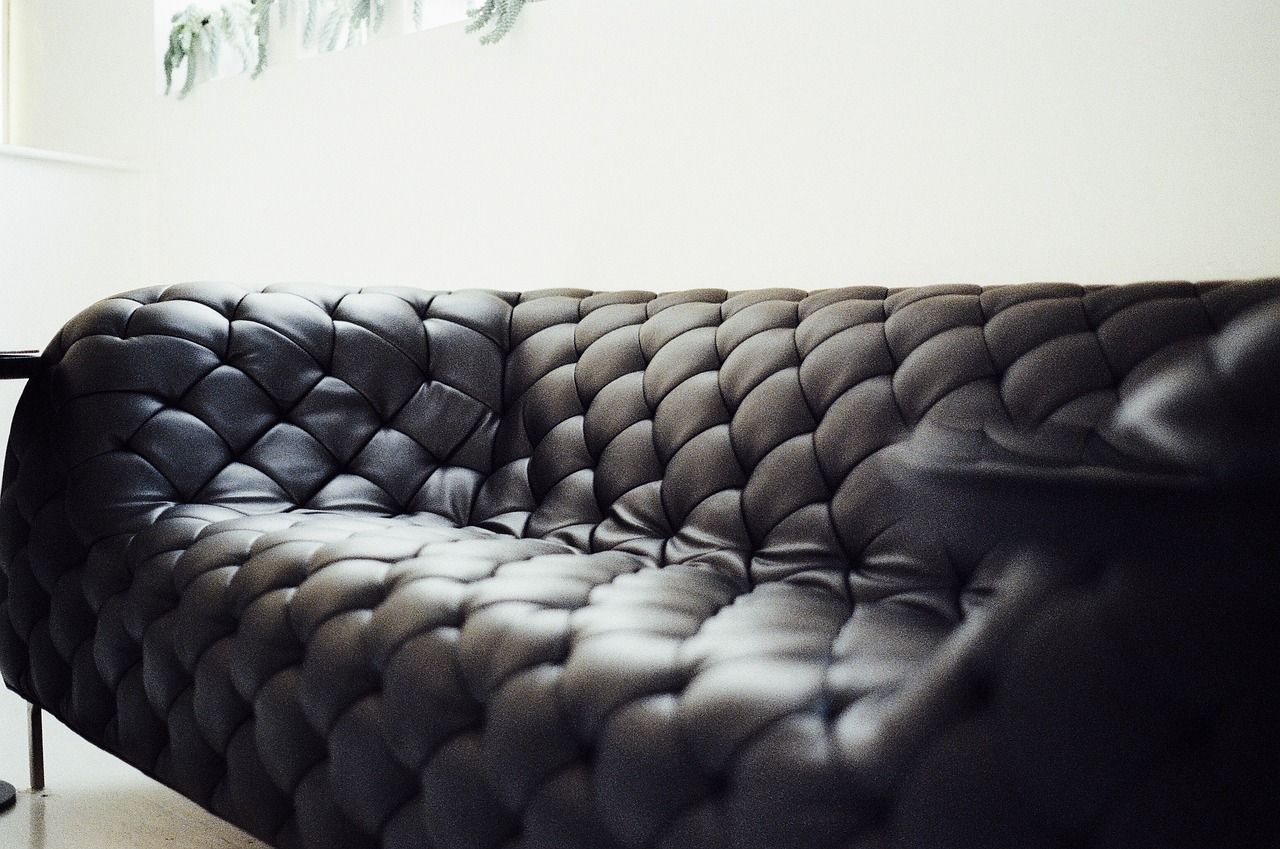
The leather sofa: Is it really natural?
A leather sofa symbolizes class and elegance. It stands the test of time and does not require regular maintenance. However, the manufacturing methods used for standard leather sofas are cause for outrage. Although leather is natural in its original state, it undergoes numerous chemical treatments to make it supple and durable.
The Dangers of Chemical Treatments
Leather tanning has come under particular scrutiny from environmental groups and even the European Commission. There are two methods for tanning leather used in sofas, leather goods, and the textile industry:
- First, vegetable tanning, which is carried out using ash and ground tree bark;
- On the other hand, mineral tanning is a chemical process that uses aluminum salts, alum, or chromium.
While the first method is relatively safe and natural, the second causes genuine environmental disasters. To name just a few: pollution of rivers and groundwater, as well as the poisoning of workers and communities living near tanneries. Demand for leather shows no signs of slowing down—quite the contrary. That is why the faster chemical tanning method is preferred by manufacturers who have relocated to Asia or Africa. Today, pollution from the leather industry ranks among the top ten sources of global pollution.
Reconstituted leather, a blend of genuine and synthetic leather
Also known as bonded leather, reconstituted leather is made from scraps of genuine and synthetic leather. Filler materials are added, and the mixture is then bonded using plastics such as polyurethane. This material therefore raises the same environmental concerns as genuine leather, as well as those associated with synthetic leather and additives, both of which are derived from the petrochemical industry.
What about the faux leather sofa?
The faux leather sofa was supposed to replace genuine leather and thus address the problems plaguing the industry. Unfortunately, the vast majority of faux leather is made from the same plastics that create an environmental disaster. However, some plant-based leathers do exist, such as “Pinatex” (pineapple leather), eucalyptus leather, and mushroom leather. These are still rarely used for upholstering sofas.
What fabric should you choose for an eco-friendly sofa cover?
Is it still possible to upholster your sofa with a natural, eco-friendly, and completely healthy fabric? The answer is yes. Fabrics such as cotton, wool, or linen combine quality, aesthetics, and optimal durability. Among the other qualities of these fabrics are exceptional durability and ease of care. Linen gives the furniture a light, airy feel and is undoubtedly the most stylish and high-quality fabric to choose for sofa upholstery. Furthermore, choosing linen supports local production, making it better for the planet. In fact, France leads the way among the largest producers of this natural and eco-friendly textile, accounting for more than 75% of global production!
Discover our line of eco-friendly sofas:
Linen Sofas - 2-Seater Sofas - 3-Seater Sofas - 4-Seater Sofas - Solid Wood Sofas - Straight Sofas - Modular Sofas - Corner Sofas
We recommend these other pages: