

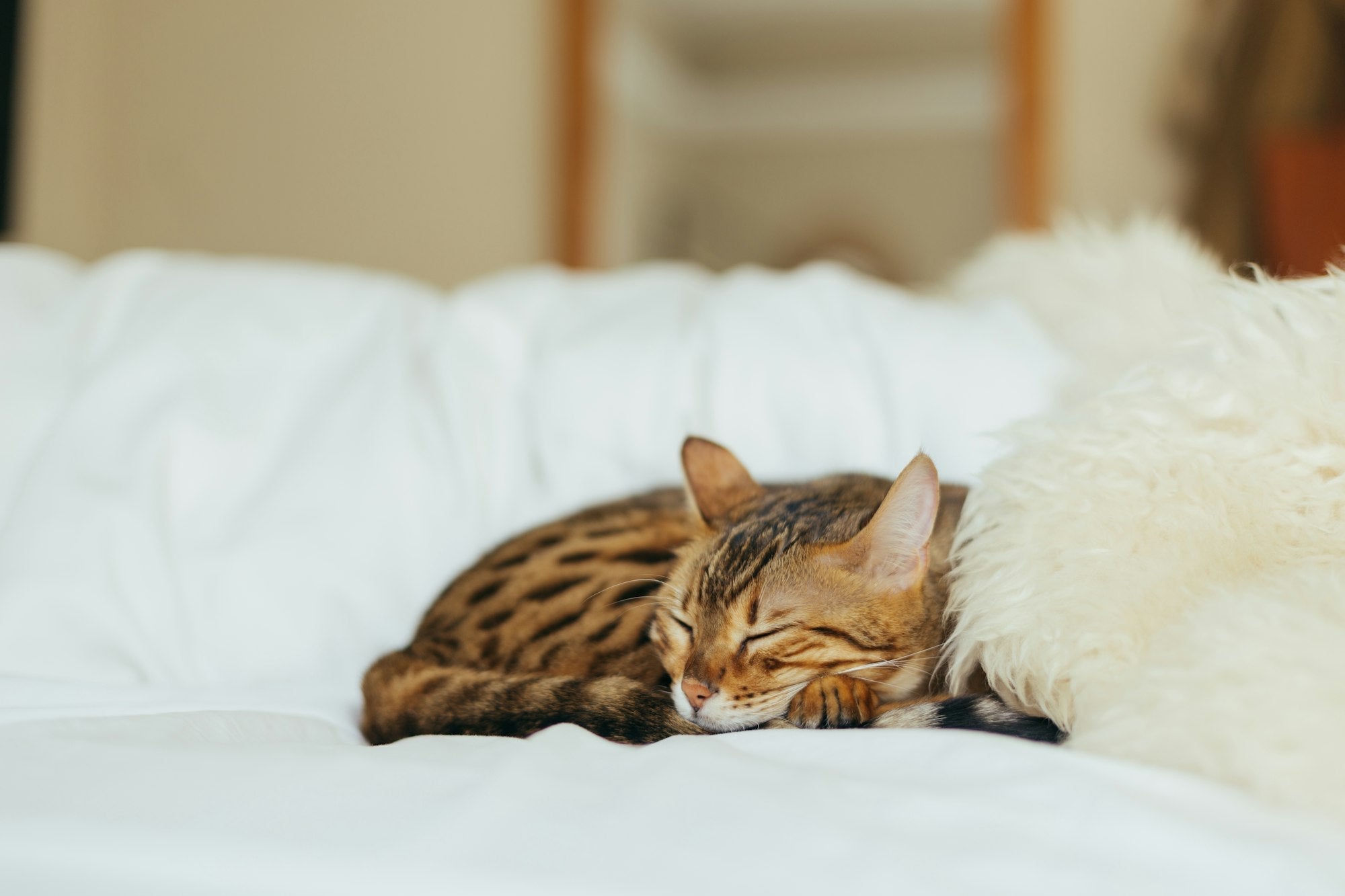
Feeling drowsy during the day—more commonly known as a slump—is a common occurrence that happens to everyone. It can be caused by a poor night’s sleep, a heavy meal, or even stress. It’s hard to concentrate when you’re in this state, which calls for a real break to recharge your batteries. That’s where a nap comes in.
Generally, napping is associated with vacations because it’s a moment of relaxation that we often treat ourselves to after lunch. In our very busy daily lives, there’s no time for a nap in the shade to the sound of cicadas. Fortunately, there are different types of naps, and the micro-nap is perfect for a quick rest so you can continue your day feeling refreshed. Here’s more on that...
Napping is no longer just for vacationers
Napping is making a big comeback in our daily lives, which are increasingly focused on well-being. Today, learning to manage our emotions and take control of our health involves actions that lead us toward a more peaceful life. Napping is therefore a way to get through the day in the best possible condition. That’s why more and more companies are creating spaces that allow their employees to enjoy this break from the daily grind. And to reap the benefits of a nap, it doesn’t have to last long, nor does it require lying down in a bed in the dark.
There are three types:
- The long nap: one that resembles a full stretch of sleep, involving different sleep stages just like at night. It generally lasts the duration of a complete sleep cycle—an average of 1 hour and 30 minutes. This is the best way to ensure you wake up during a light sleep phase and avoid feeling groggy or more tired than before.This type of nap is not recommended for daily use but rather for those who suffer from excessive sleep debt leading to a state of exhaustion.
- The average nap: This is the type of nap that has often been recommended the most because it lasts between 20 and 30 minutes, allowing you to avoid the deep sleep phase and feel refreshed upon waking. It’s therefore a light but restful nap best taken midday so you can resume your day with a boost of energy. However, during a workday, it’s not always easy to carve out 20 minutes for a nap, unless you have a dedicated space for it or are working from home.
- A micro-nap, or “power nap” as it’s known in English, is, as the name suggests, a very short nap. Ideally, it shouldn’t last longer than 10 minutes. It can be incorporated into your daily routine to enjoy one or more moments of relaxation throughout the day. It’s an energy boost that’s best taken after lunch or just before or after a stressful situation. The micro-nap is a quick solution to everyday anxiety that helps slow your breathing and, in turn, your heart rate.

Power Naps: How to Take One, and What Are the Benefits?
A micro-nap differs from the other types of naps discussed earlier. It is more of a state of deep relaxation in which you quickly drift into light sleep while remaining alert to your surroundings. Therefore, you do not need to be in optimal sleep conditions. A quiet place and a comfortable spot are all you need to take a micro-nap. However, depending on the person, it may be more or less difficult to fall into light sleep quickly.
So, at first, it’s best to find a place that’s conducive to falling asleep. With experience, you’ll find it easier to reach this state just about anywhere. For quick relaxation, lie down, close your eyes, and take several deep breaths. Be sure to set an alarm for 10 minutes so you don’t fall completely asleep. Micro-naps are suitable for everyone year-round and offer numerous health benefits.
In addition to promoting relaxation throughout the day, it helps improve concentration. This can be helpful when doing tedious intellectual work or when you have a long drive ahead of you.
It also improves memory. A power nap helps reduce muscle tension, promoting both mental and physical relaxation. As a result, it can boost cognitive performance by nearly 35% on average—enough to encourage employers to set up relaxation areas and promote quick midday breaks.