

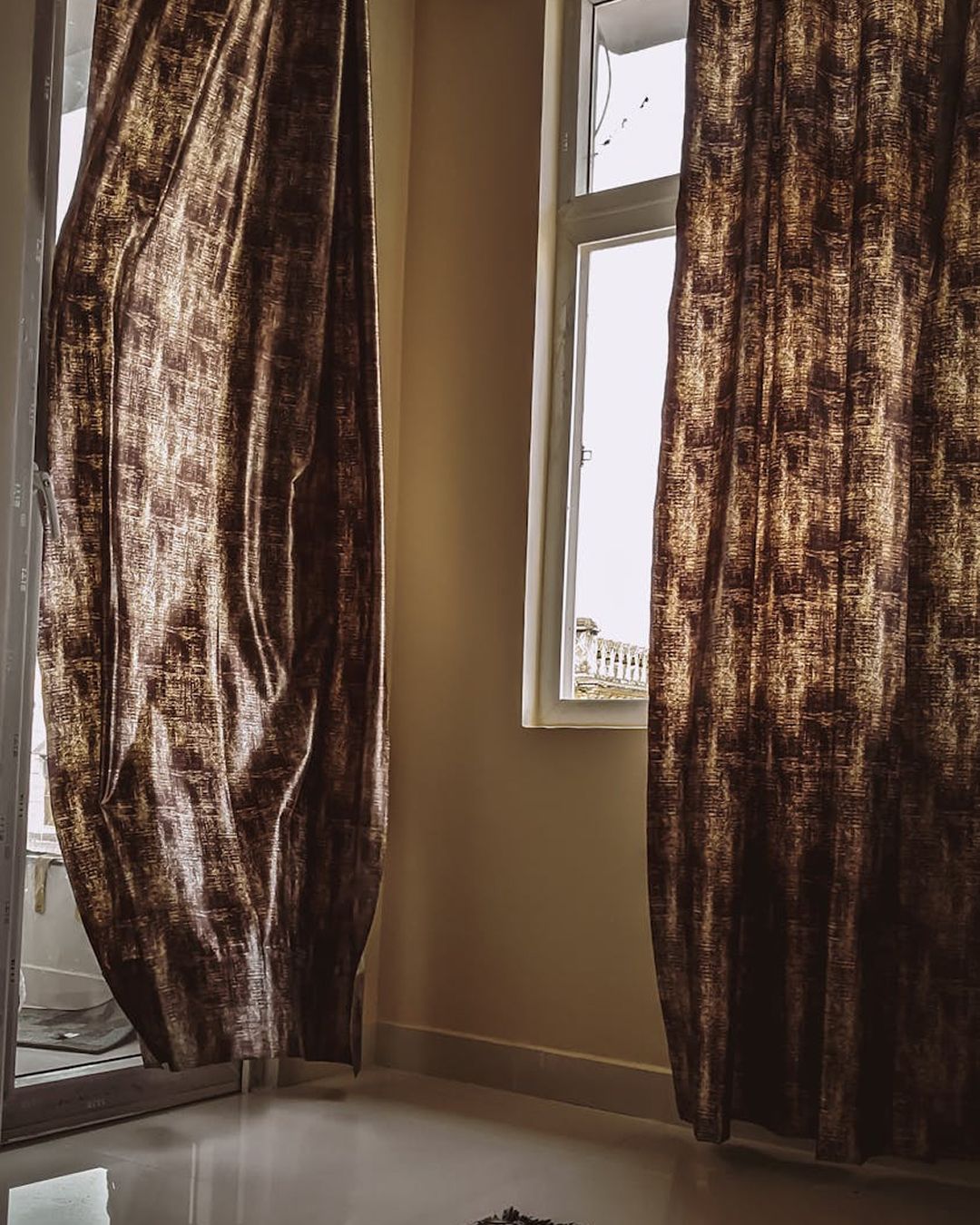
Curtains are often chosen simply as a decorative touch—a detail that people buy on a whim without giving it much thought. Yet they influence much more than just a room’s aesthetics: they control the light, add depth to the space, and play a key role in thermal and acoustic comfort. If chosen poorly, they can make a room feel heavy, make it seem smaller, or block out natural light.
So, how can you avoid these mistakes and choose curtains that truly enhance your home? Here's a detailed guide to help you make the right choices.
1. Curtains that are too short and make the ceiling appear lower
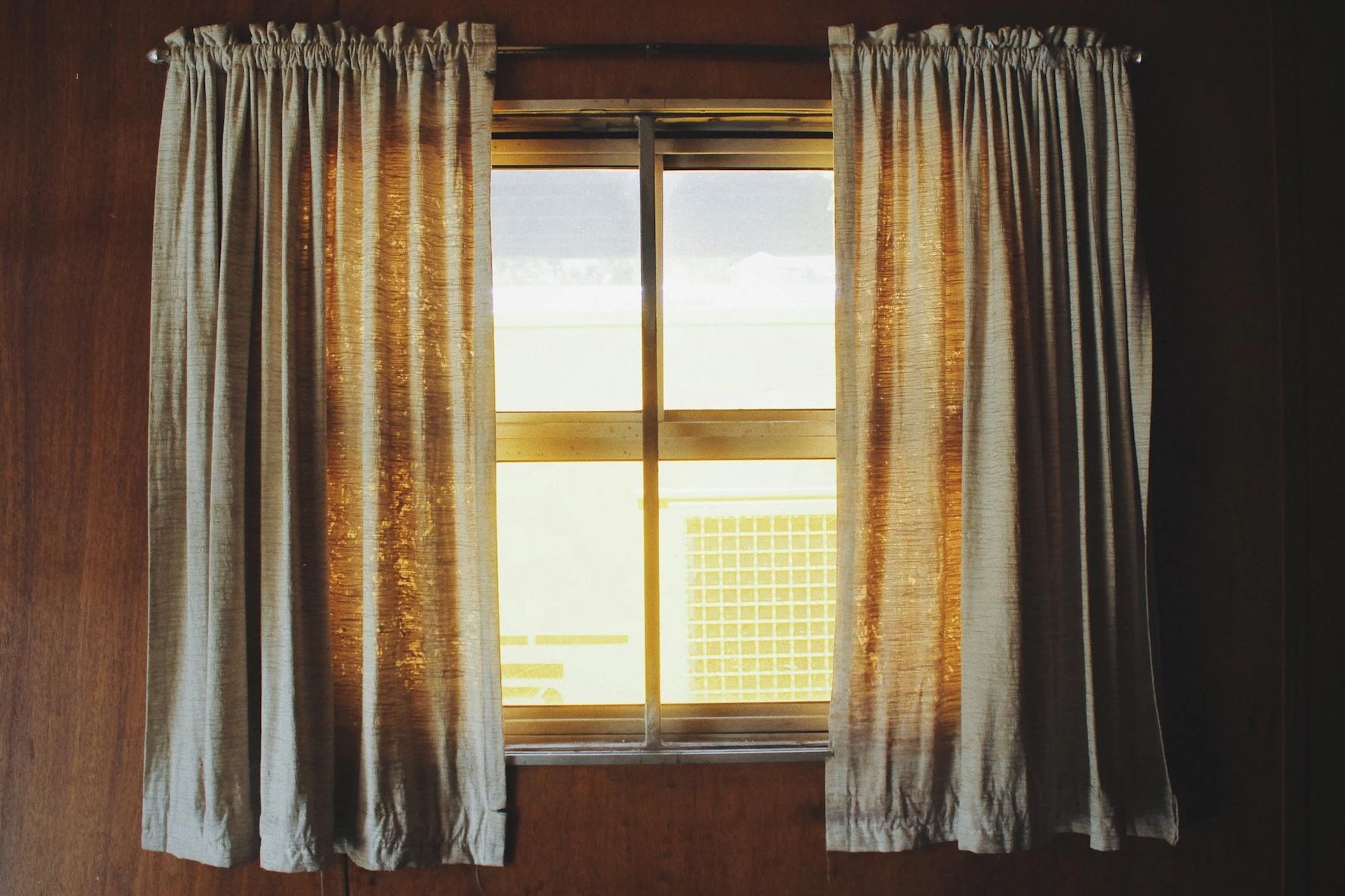
One of the most common mistakes is choosing curtains that are too short—ones that end just below the window or halfway up the wall. This type of installation creates a visually unbalanced effect, giving the impression that the ceiling is lower than it actually is. As a result, the space appears cramped and less harmonious.
What to Do: Choose the Right Height for the Rod and Curtains
- Place the rod as high as possible: ideally 10–15 cm from the ceiling or just below the crown molding.
- Choose long curtains that fall to the floor—or even brush it lightly—for a flowing, elegant look.
- Avoid curtains that stop abruptly halfway down the window, unless you're going for a "café-style" look or the window faces a piece of furniture that prevents the curtains from hanging any lower.
💡 Decorating tip: If you want an even more sophisticated look, let a few centimeters of fabric drape onto the floor. This adds a chic, casual touch, especially with fabrics like linen.
2. An often-overlooked element that completely changes the atmosphere

We tend to focus on the color and style of curtains, forgetting that their material is just as important. Synthetic fabrics, such as polyester, often hang stiffly and reflect light in an unnatural way. They can also build up static electricity and attract dust.
The Best Natural Materials for Elegant and Healthy Curtains
- Linen: light, airy, and textured, it gently diffuses light and creates a natural, soothing atmosphere.
- Organic cotton: versatile, it drapes beautifully and complements a variety of interior styles.
- Lightweight wool: ideal for thick curtains that don't look bulky, it adds a warm, cozy touch.
- Hemp: even more sustainable than linen, it has a rustic weave that’s perfect for an authentic interior.
-> Good to know: Curtains made of natural fibers also have the advantage of being more breathable and hypoallergenic. They promote a healthy indoor environment, unlike synthetic materials, which can release volatile organic compounds (VOCs).
3. Improperly adjusted opacity: too much light or oppressive darkness
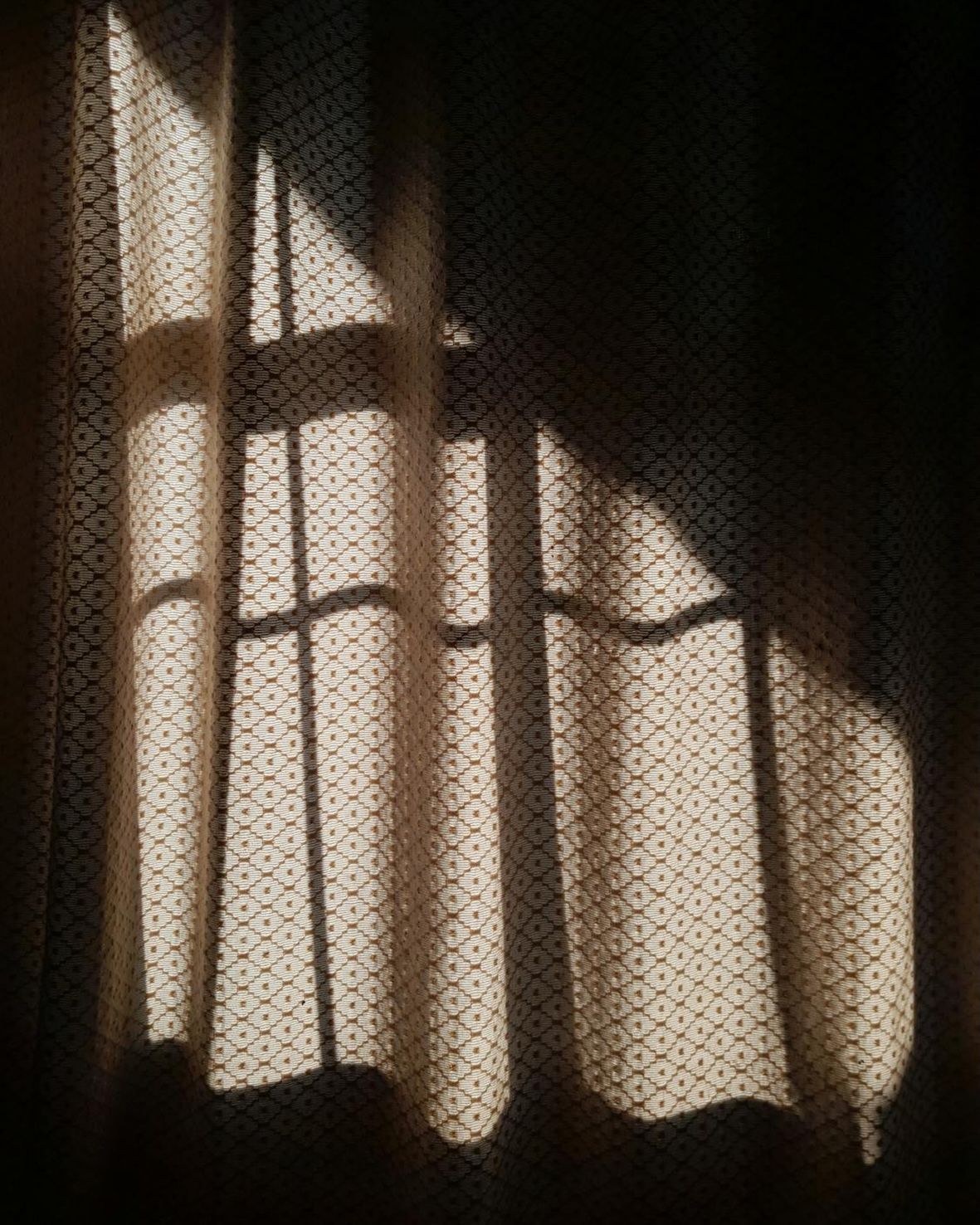
Choosing the right fabric weight is crucial:
- Curtains that are too thin let in too much light and can make a room feel empty, especially in a bedroom where you often want them to block out the light.
- Curtains that are too thick can make a room feel dark, especially if it already lacks natural light.
How do you choose the right thickness for your curtains?
- For soft, natural light, choose washed linen or cotton gauze.
- For a cozy, insulating effect, choose curtains made of thick cotton, velvet, or wool.
- For a bedroom, blackout curtains made from natural materials provide optimal darkness while maintaining an elegant drape.
💡 Pro tip: Pair sheer curtains with heavier curtains to adjust the light throughout the day. This layering also adds depth and dynamism to your decor.
4. A poorly chosen color that throws the space off balance
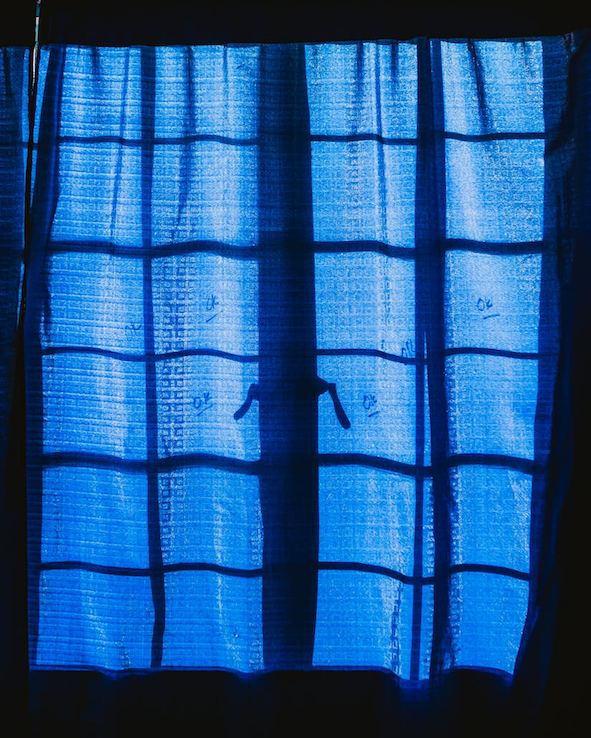
The choice of curtain color isn't just a matter of taste: it has a direct impact on how the room is perceived.
- Curtains that are too dark in a small space can make the room feel heavy and make it appear smaller.
- Curtains that are too light in a large room may look bland and lack character.
How do you choose the right shade?
- For a soft, timeless atmosphere: opt for neutral tones such as beige, natural linen, or off-white.
- For a warm, contemporary touch: try sage green, terracotta, or a warm gray.
- To define a space: aim for a subtle contrast with the walls, without creating contrasts that are too stark.
-> Good to know: Natural, earthy colors (ochres, browns, soft greens) blend easily into any type of interior and create a sense of serenity.
5. An Underestimated Role: Curtains Are More Than Just a Decorative Element
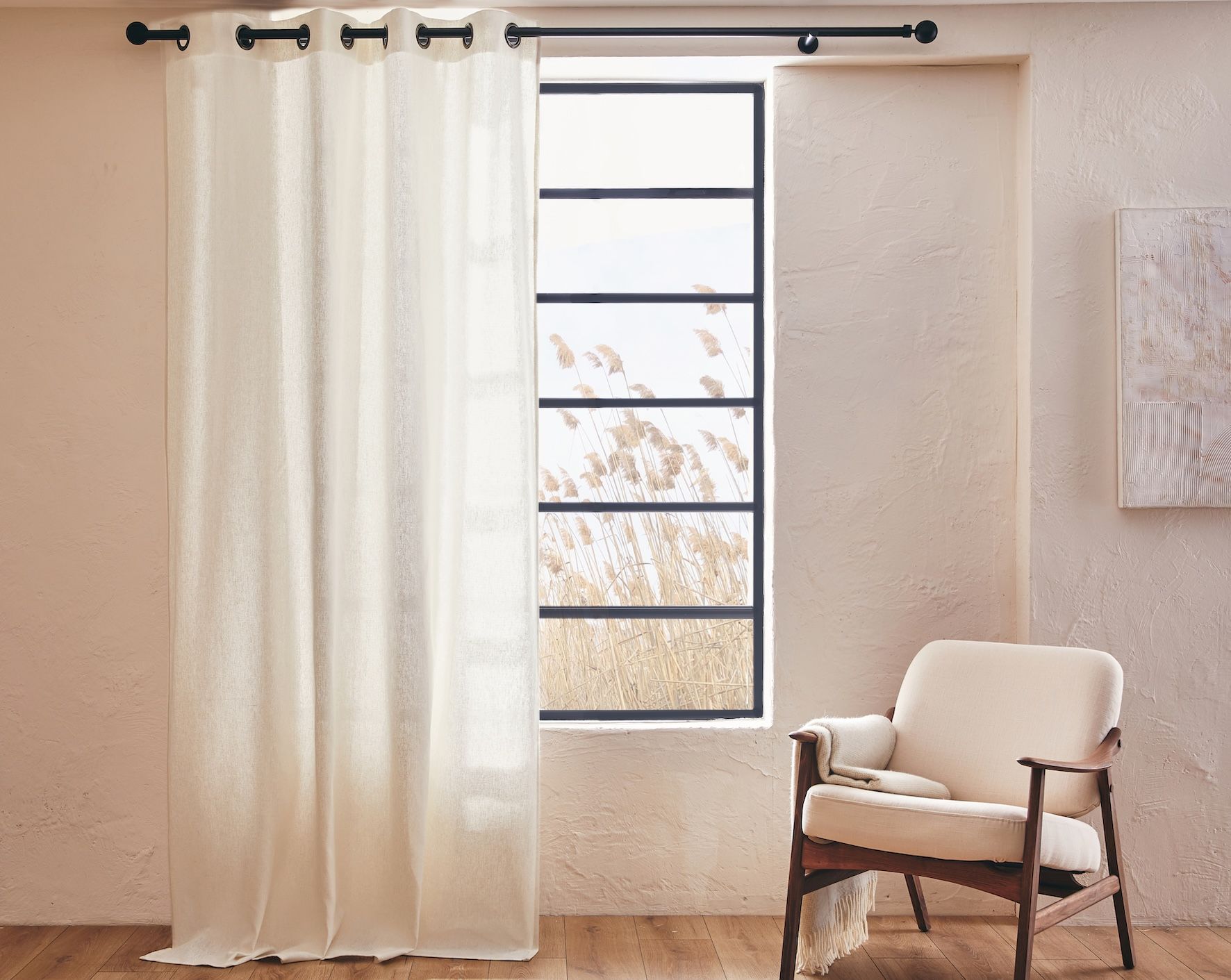
Curtains do more than just dress up a window. When chosen wisely, they can also:
- Improve acoustics by reducing resonance in a large room.
- Optimize thermal insulation by minimizing heat loss in the winter and reducing excessive heat in the summer.
- Create elegant room dividers, perfect for defining a home office area in a living room or concealing a walk-in closet.
Which fabric is best for which use?
- For a light and airy atmosphere: choose natural linen.
- For better insulation and a cozy atmosphere: choose curtains made of thick cotton or wool.
- For optimal acoustic performance: velvet and tightly woven fabrics are particularly effective.
💡 Decor tip: Curtains can also be used as unique headboards or to hide storage spaces, adding a warm, textural touch.
Choosing the Right Curtains: A Detail That Makes All the Difference
Beyond their aesthetic role, curtains have a profound impact on the atmosphere of a room. A harmonious drape, a natural fabric, a well-chosen color—these subtle choices transform a room and lend it warmth and character.
For an interior that’s both elegant and functional, take the time to choose your curtains carefully: by opting for natural materials, the right colors, and a professional installation, you’ll optimize your space and enhance your daily well-being.
Because a well-designed interior is one where every detail matters.