


It’s often believed that latex is naturally eco-friendly. But just like with cotton or coffee, it all depends on how it’s grown. Some fields deplete the soil, while others regenerate it. Some methods saturate the soil with chemicals, while others promote biodiversity. And that’s where Moreganic makes all the difference.
Moreganic is latex sourced from agroforestry, free of pesticides and synthetic fertilizers. It’s a material that breathes better—and helps the planet do the same. So no, a mattress doesn’t fix nature. But it can at least avoid doing further harm to it. And sometimes, it can even do a little better than that.
🌱 1. Latex that grows among the trees
Unlike intensive farming, where hectares of cloned rubber trees are replanted, Moreganic forests are living ecosystems. They contain fruit trees, medicinal plants, native species, and sometimes even animals. This is what is known asagroforestry.
This agricultural model preserves soil fertility, retains water more effectively, and naturally reduces diseases and pests. Farmers do not need to use chemicals. And most importantly, they do not depend on a single crop for their livelihood.
This isn’t a flashy revolution. It’s a return to common sense, to a land where many forms of life coexist. And with every rubber tree that grows in these forests, a small, quiet victory takes root in the soil.
🌍 2. A material with a negative carbon footprint
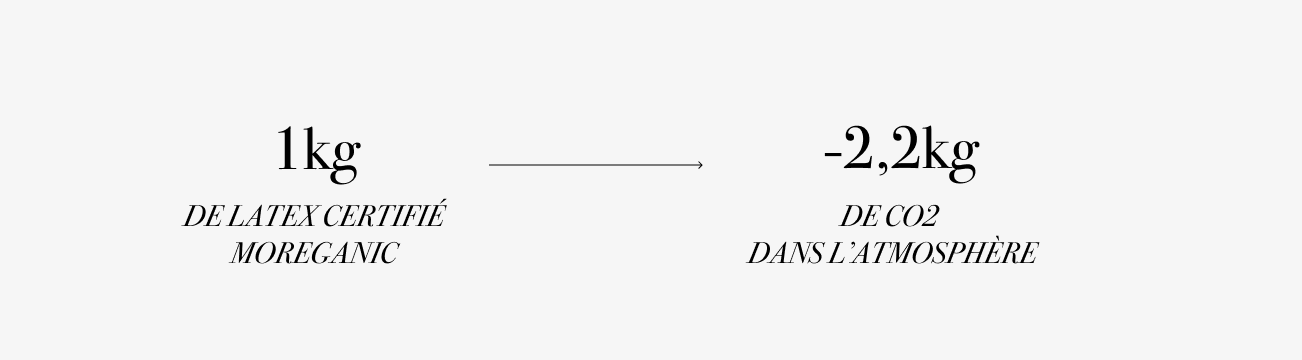
The production of natural latex is generally less polluting than that of synthetic foams. But with Moreganic, we go a step further: according to the independent organization Control Union, every kilogram of Moreganic-certified latex removes 2.2 kg of CO₂ from the atmosphere.
How is this possible? Thanks to three key factors: – agroecological forests naturally absorb more carbon than monoculture fields, – no chemical fertilizers or pesticides are used, – and the crop rotation cycle promotes the longevity of the trees, thereby ensuring long-term carbon sequestration.
This isn't just a marketing ploy. It's a real, documented fact. And in a world where every action counts, producing a material that removes carbon rather than emitting it is already a first step toward making things right.
🤝 3. A supply chain that respects farmers
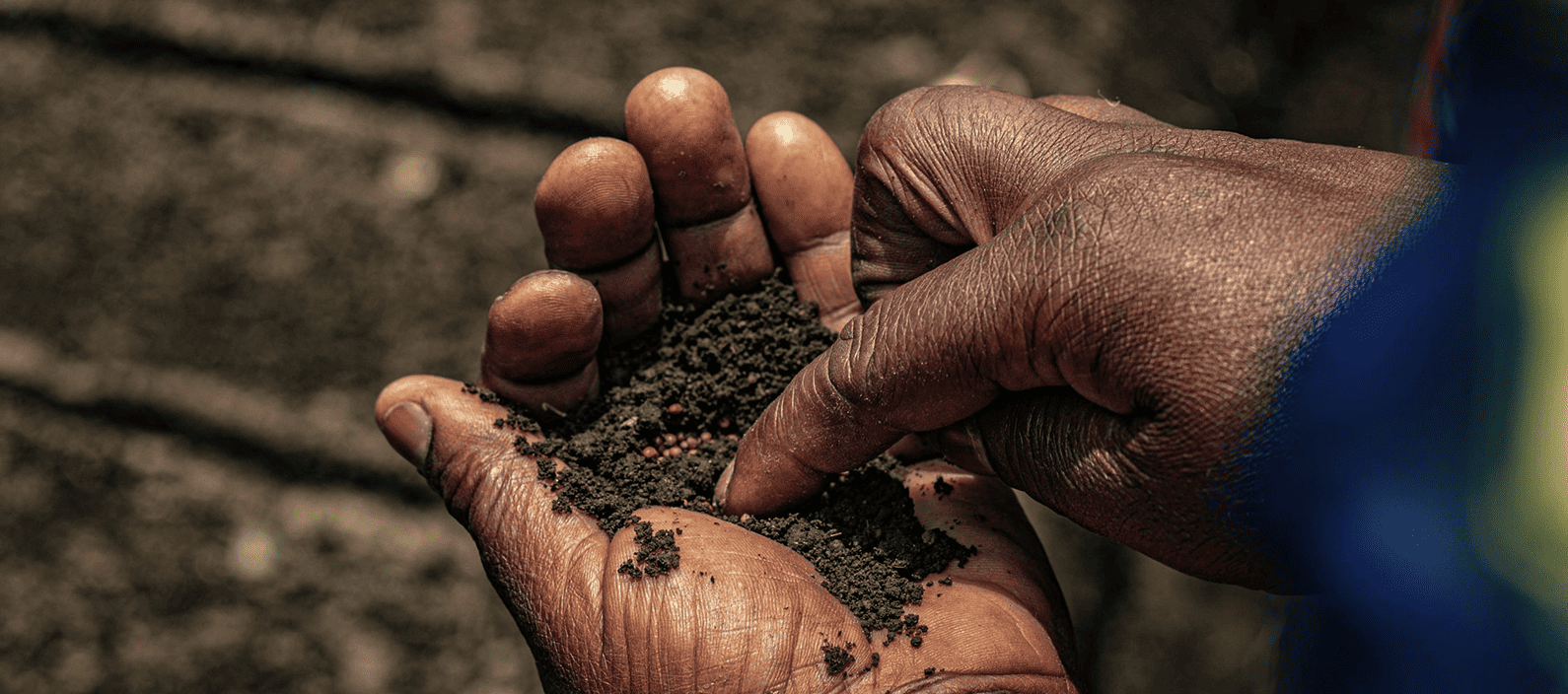
Sustainability isn't just about the environment. It often begins with those who work the land. Moreganic offers not only a different way of farming, but also a different way of compensating, training, and valuing farmers.
In these living forests, farmers diversify their crops: rubber trees, fruit trees, medicinal plants, and more. The result: less economic dependence, fewer risks in the event of disease or drought, and more stable incomes. On average, partner farmers earn 10% more than they would in traditional supply chains.
And because a transition can’t be improvised, they receive on-the-ground support, training in agroforestry methods, and ongoing guidance. Behind every Moreganic latex mattress or pillow is a human hand, a patient touch, and a restored balance between people and nature.
🛏 And for you, what difference does that make?

Latex produced with respect for the environment isn’t just better for the planet—it’s better for you, too. Moreganic latex is naturally breathable, free of chemical treatments, flexible without sagging, and built to last.
At Kipli, we chose it because it meets both our technical requirements and our values. It’s already incorporated into three new products coming soon—a mattress, a mattress topper, and a pillow—designed to provide authentic, consistent, and soothing comfort.
It's not about changing everything. It's about making better choices, layer by layer.
No, latex alone does not “repair” nature. But it can be part of a different way of doing things—a slower, more vibrant, and more equitable way.
Moreganic isn’t a miracle material. It’s a smart balance between comfort and environmental responsibility. A modest step forward, but a concrete and proven one. And if our nights can be more restful without weighing on the days ahead, then it might be worth switching materials—one product at a time.