


A well-designed interior is a space where you instantly feel at ease. However, certain common mistakes in layout and decor can disrupt the balance and detract from comfort. Poorly chosen lighting, unsuitable materials, or a lack of contrast are enough to make a space less pleasant to live in. Fortunately, these mistakes are easy to fix with a few adjustments. Here are the most common missteps and simple solutions to transform your space into a warm and soothing haven.
1. Lighting that’s too cold: the mistake that ruins the atmosphere
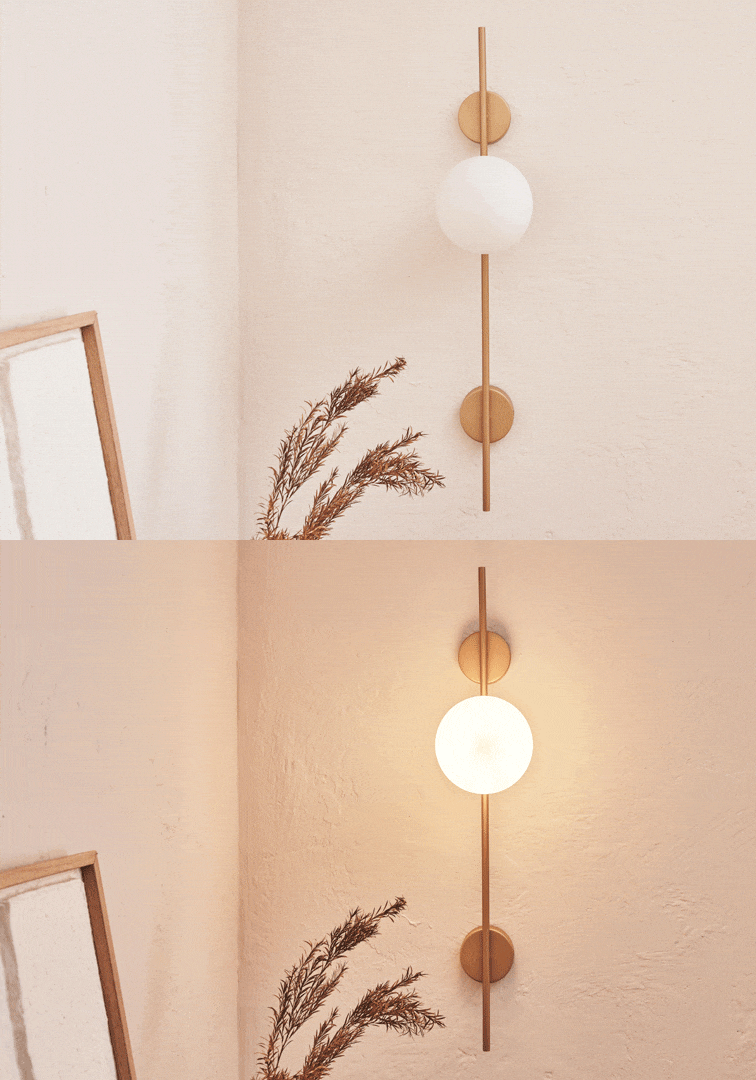
Lighting is often underestimated, even though it plays a fundamental role in how we perceive a space. Cool white light (6,000K and above) creates a clinical and sterile impression, far from the cozy atmosphere we seek in our homes. Poor lighting can also strain the eyes and make a room feel uncomfortable, even if it is well-decorated.
👉 The solution: Choose warm-toned bulbs (2700K to 3000K), which cast a soft, inviting glow. Use multiple indirect light sources—table lamps, wall sconces, string lights—to create cozy pockets of light. Also consider using dimmers to adjust the brightness according to the time of day.
2. Curtains That Are Too Short: A Misguided Idea
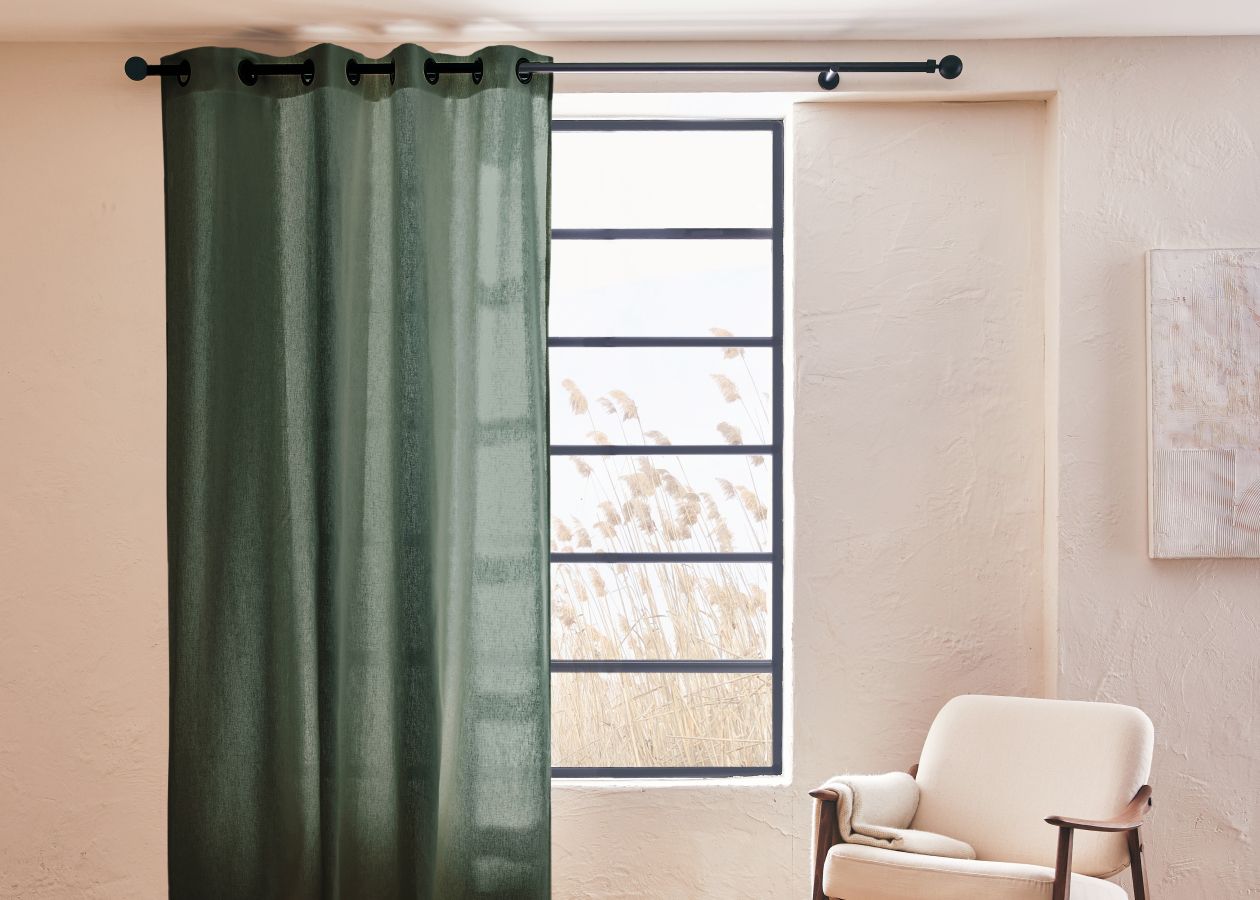
A curtain hung just above the window visually cuts the room’s height and makes it feel more cramped. This creates an unfinished look and can even disrupt the overall harmony of the decor.
👉 The solution: To make the space feel larger and add character, mount the curtain rod as close to the ceiling as possible and let the curtains touch the floor. Opt for natural fabrics like linen or organic cotton, which beautifully filter the light while adding an elegant and authentic touch. If you want an even more sophisticated look, choose curtains that are slightly longer to create a fluid, refined drape.
3. Too Much Gray in Your Decor: When Neutral Tones Become Monotonous
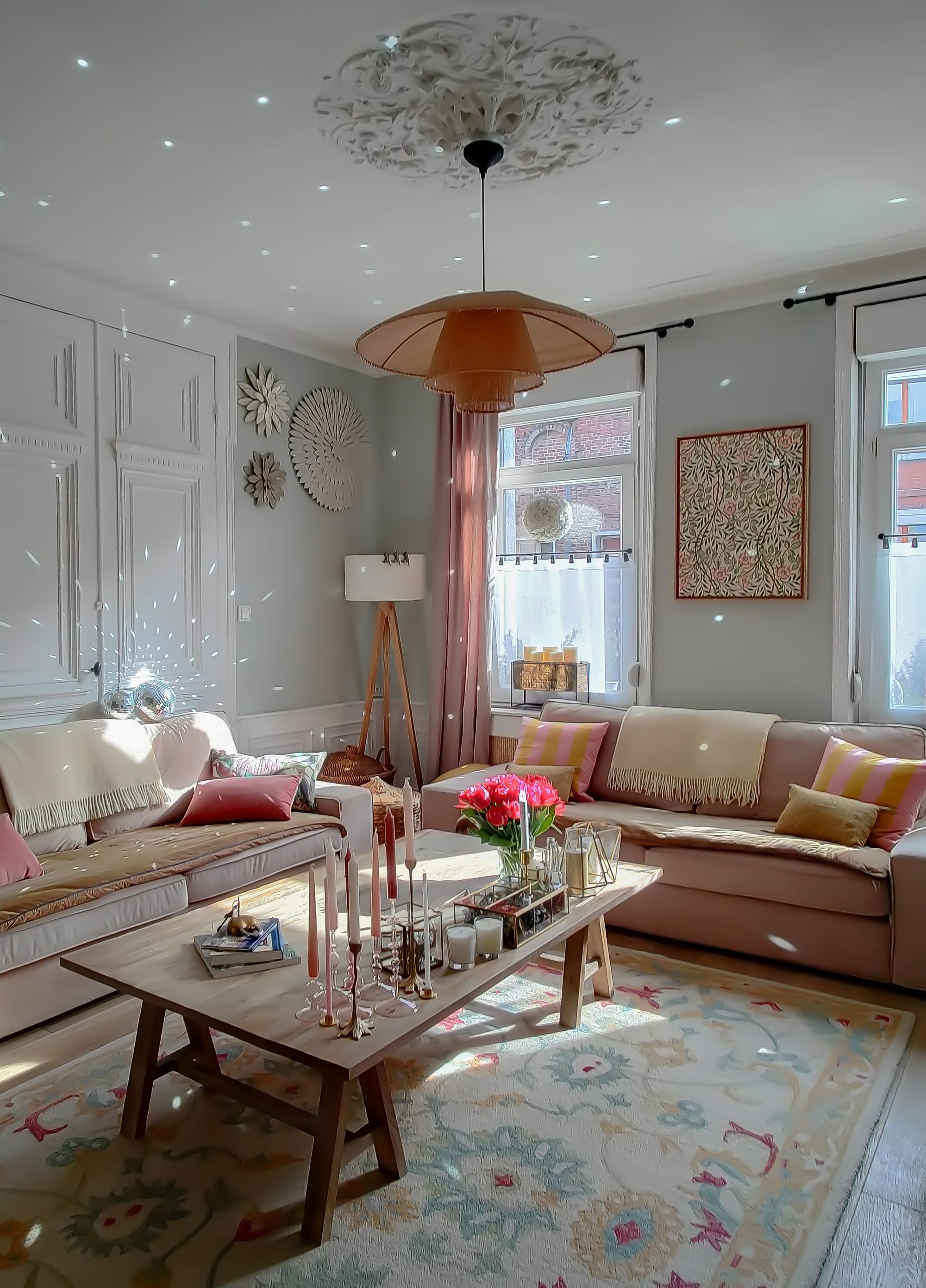
"Millennial Gray" has taken over interiors in recent years, but its ubiquity can quickly create a bland and impersonal atmosphere. Too much gray can also absorb light and create a cold impression, which is the opposite of a warm interior.
👉 The solution: Replace cool grays with warmer, more natural tones. Clay beige, terracotta, sage green: these soft shades instantly warm up a space. Pair them with natural materials like light wood and natural-fiber textiles to add depth and character. If you like gray, choose a shade with a hint of beige or taupe for a cozier feel.
4. An interior that's too generic: where's your personality?
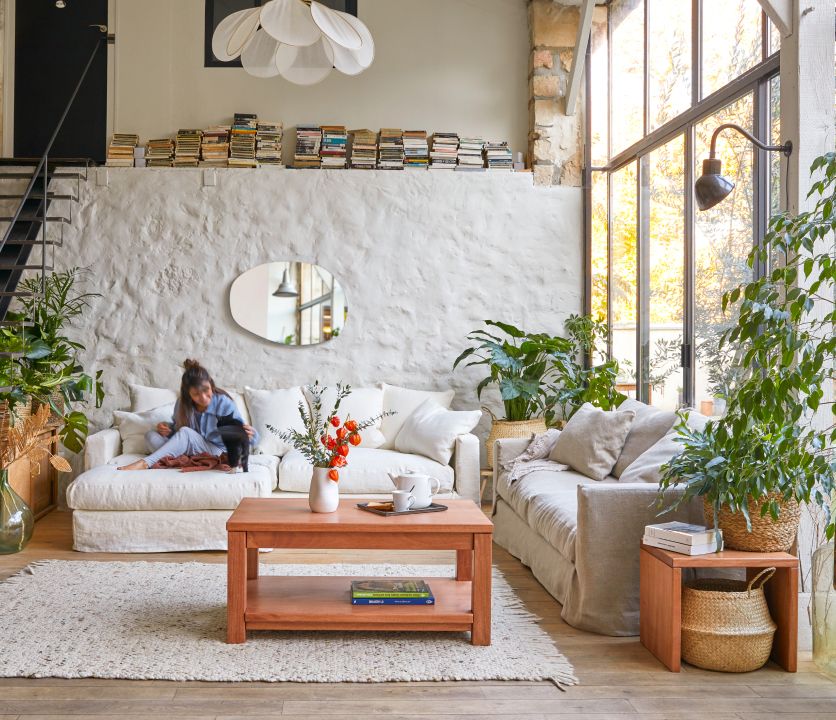
Buying everything from the same catalog or choosing matching sets can make a space feel like a soulless showroom. An interior should tell a story and reflect the personalities of those who live there.
👉 The solution: Mix and match styles and textures! Combine solid wood furniture with contemporary pieces, incorporate handcrafted items, and opt for natural materials (linen, organic cotton, ceramics) to create a unique and vibrant decor. Antiques, travel souvenirs, and handmade creations bring soul and authenticity to your home.
5. Decor that’s too uniform: a lack of depth
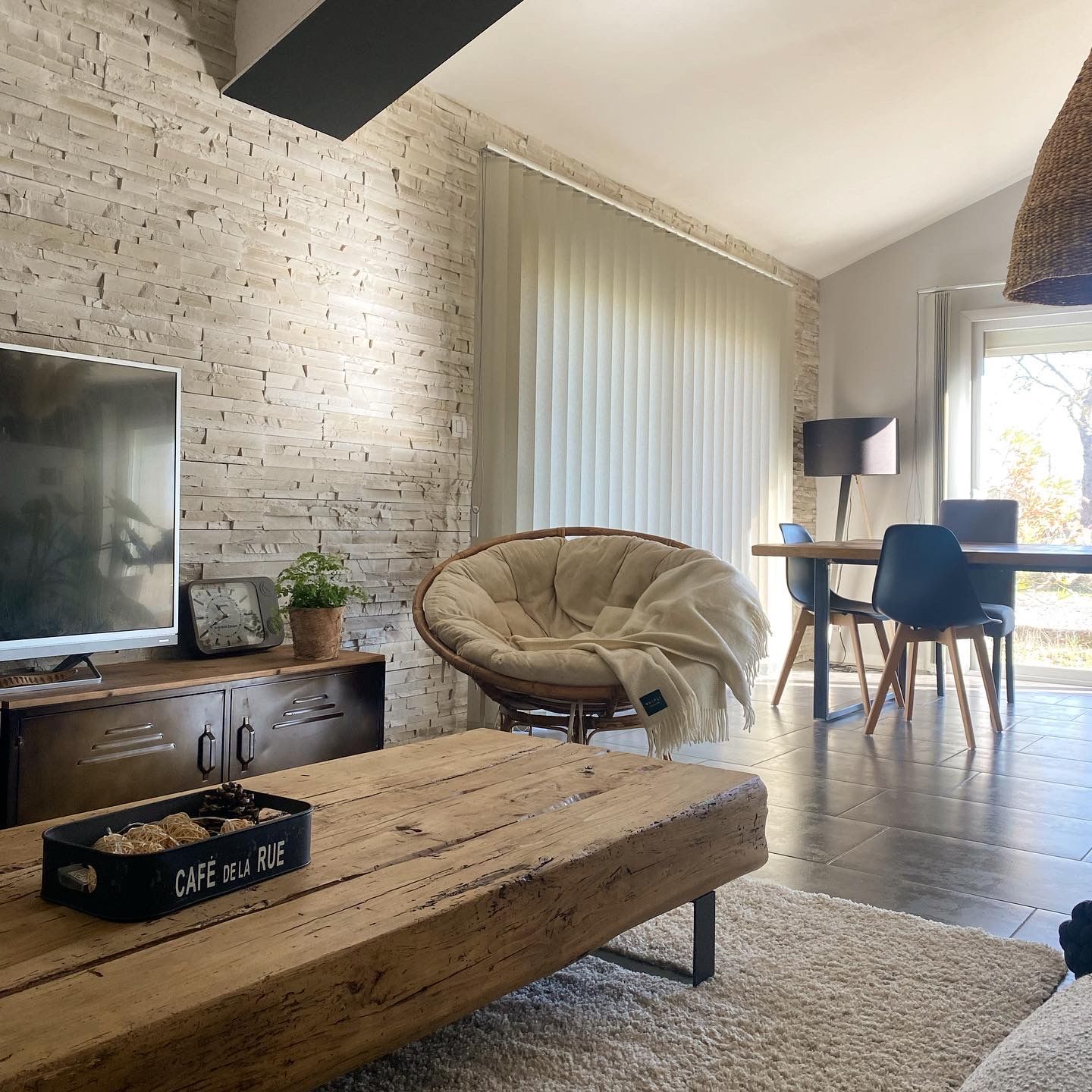
When a room lacks contrast, it can appear flat and lifeless. A decor scheme that’s too coordinated—where everything seems to have been chosen from the same color palette—can quickly lack character.
👉 The solution: Create contrast by playing with several elements:
- Colors: An accent wall can define the space and add a touch of vibrancy.
- Materials: Combine smooth surfaces with rough textures such as linen, wood, or ceramic.
- Finishes: Alternate between matte and glossy to add movement and dimension.
- Shapes: Combine straight lines and curves to create a more organic and fluid look.
6. An Interior That’s Too Noisy: Acoustic Comfort Overlooked
A space where sounds echo can quickly become tiring, especially in living areas. Large open spaces or rooms with hard surfaces (tile floors, bare walls, minimalist furniture) tend to amplify noise and create unpleasant echoes.
👉 The solution: Add elements that absorb sound: wool rugs, thick curtains, and cushions made from natural materials. These details make the space feel warmer and more comfortable in everyday life. Also consider acoustic panels made of wood or fabric, which are both functional and attractive.
7. Neglecting sleep quality: a mistake that should not be underestimated
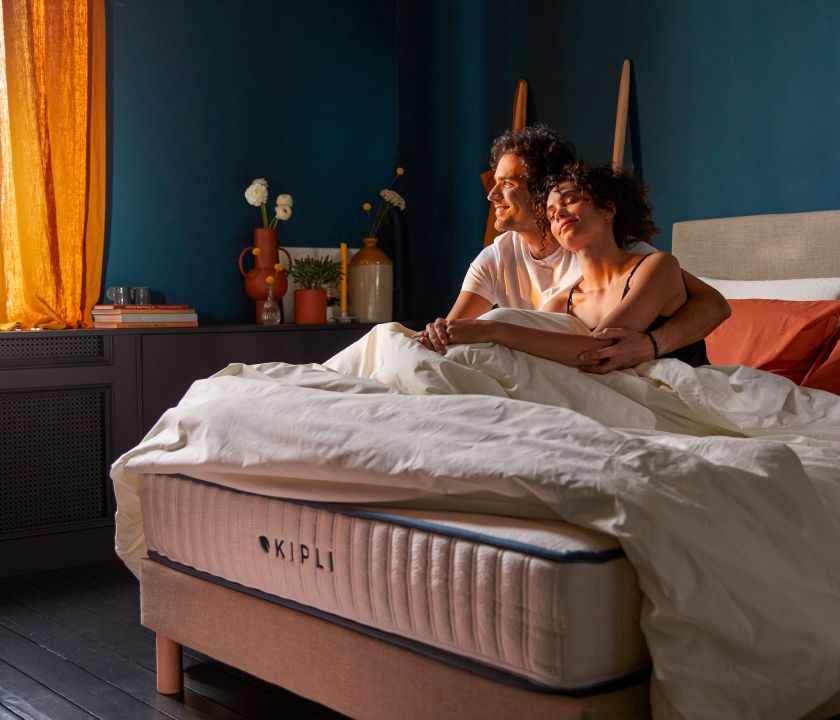
A comfortable home should also be designed with well-being in mind. An unsuitable mattress or poor-quality bedding can impair sleep quality and affect long-term health.
👉 The solution: Invest in a natural latex mattress, which combines comfort and breathability, and choose organic cotton percale bedding for a soft, cool feel. Round out your setup with pillows and a comforter tailored to your needs for a truly restful night’s sleep.
A home designed to last and breathe
A harmonious interior is the result of thoughtful choices: soft lighting, natural materials, and a balance of textures and colors. By avoiding these mistakes and opting for a simple, authentic design, you can create a space where every detail contributes to your daily well-being. Don’t be afraid to experiment, add your personal touch, and make your home a place that reflects who you are—where comfort and aesthetics are in perfect harmony.