


A pillow may seem simple. Yet it affects one very specific aspect: the alignment of the head, neck, and upper back. When this support isn’t right, we compensate: we toss and turn more, wake up more easily, and tension can build up. The goal isn’t to “correct” the body, but to spare it unnecessary strain during the night.natural latex pillow - firm pillow - breathable pillow - neck comfort
Table of Contents
- • The answer
- • The Actual Role of a Pillow (and Its Limitations)
- • Natural latex: what this material offers
- • Kipli: the natural latex pillow
- • Kipli: the ergonomic pillow made of natural latex
- • And what about the bolster in all this?
The Answer
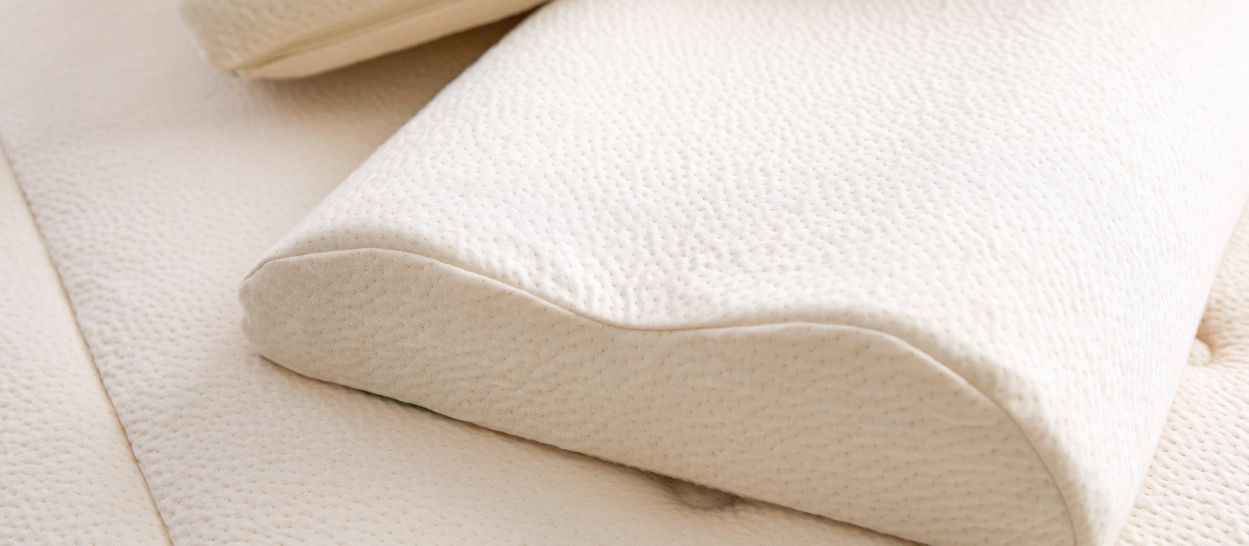
Yes, a natural latex pillow can be an excellent choice if you’re looking for stable support, good breathability, and comfort that doesn’t lose its shape quickly. Latex has an interesting property: it conforms to your shape and then springs back. This helps keep your neck in a more “neutral” position throughout the night, especially when the pillow is the right size.
However, a pillow is no substitute for a medical diagnosis. If neck pain is severe, persistent, or accompanied by unusual symptoms, seeking medical attention should be your top priority. As for the pillow, its role is simple: to relieve strain and promote restful sleep.
Important
If you have persistent neck pain, tingling, loss of strength, unusual headaches, or pain that worsens at night, consult a healthcare professional. A pillow can improve comfort, but it should never delay seeking medical care.
The Real Role of a Pillow (and Its Limitations)
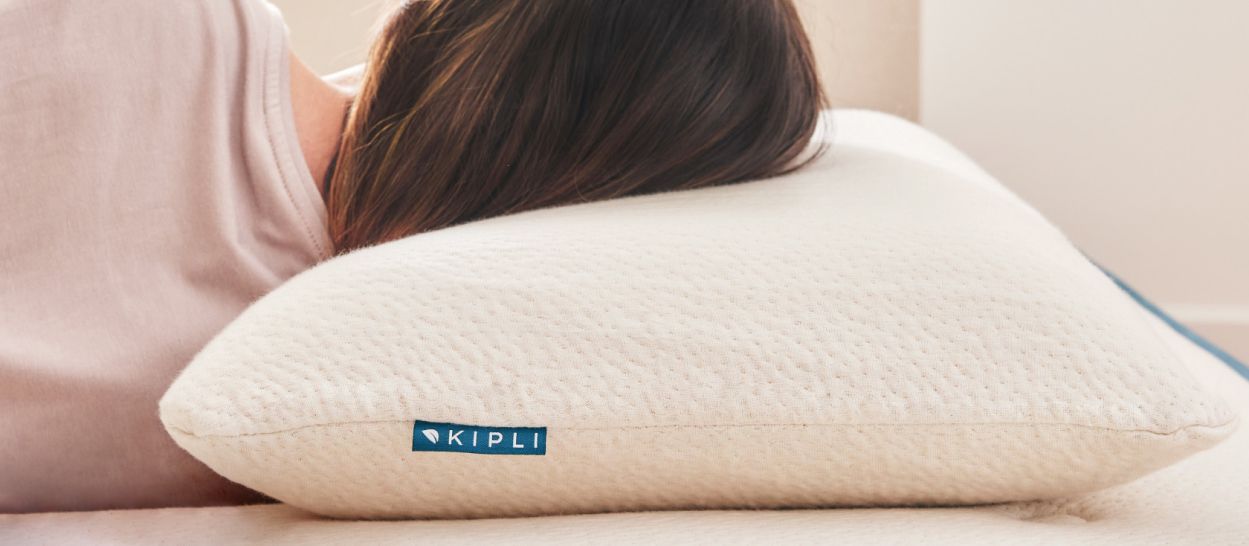
A pillow isn’t meant to be “soft” or “firm” in and of itself. Its purpose is to fill the proper space between your head and the mattress, so that your neck remains aligned with your spine. When sleeping on your back, this generally means preventing your head from tilting too far forward. When sleeping on your side, this means filling the space between your ear and shoulder without letting your head “drop.”
A good test is often very practical: if you regularly wake up trying to find a comfortable position, if you fold your pillow, or if you stack two pillows “to make it stay in place,” that’s a sign. Conversely, when your neck is well supported, your body moves less to compensate, and your sleep is often more restful.
Natural Latex: What This Material Offers
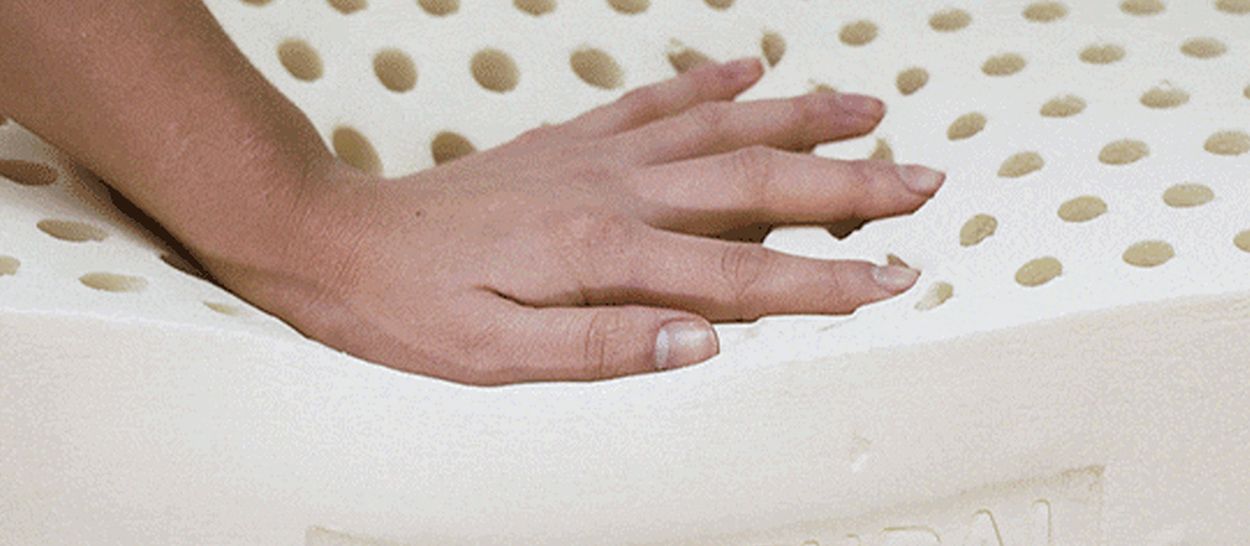
Natural latex is known for its resilience (it returns to its original shape) and durability. Where some materials flatten out, latex is better able to retain its shape and original feel. This is one of the key factors for a pillow: the “right” amount of support is useless if it loses its shape too quickly.
Another important point: breathability. A pillow that traps too much heat can lead to more restless nights, especially for people who are sensitive to temperature. Natural latex promotes more consistent airflow, and the entire sleeping surface is easier to manage (especially when the cover is made with breathable fibers).
After all, when the ingredients list is clear, it’s easier to make a choice. At Kipli, we love ingredients that have nothing to hide: you can see what’s inside—and why.
Kipli: The Natural Latex Pillow
At Kipli, the idea is simple: to offer a pillow that’s easy to understand, breathable, and built to last—without any unnecessary treatments. Our pillow is handmade in Italy, near Milan, in a workshop that specializes in natural latex. It’s designed to provide firm support with carefully crafted ergonomics: the edges are denser than the center to support the neck area.
- Core: 100% natural latex (≈97% latex + 3% essential vulcanizing agents), density 55 kg/m³
- Health: Advertised as chemical-free, guaranteed VOC-free
- Cover: organic cotton (61%) + Tencel® (39%) — 320 g/m², with a cotton inner cover
- Care: removable cover, machine washable at 30°C, air dry + washable organic cotton pillow protector included
- Certifications: LGA (sustainability) & Eco-Institut (free of chemicals and harmful emissions)
- Age: Suitable for adults and children ages 10 and up
Discover the Kipli latex pillow.
Kipli: The Ergonomic Natural Latex Pillow
To meet different needs, we offer two variations on the same principle: breathable natural latex, free of chemical treatments, with a clearly listed composition. The “classic” pillow is ideal if you’re looking for firm, simple, and stable support. And if you need more targeted support for your neck (or if you’re looking for a shape that better contours to the back of your neck), the ergonomic pillow may be a better fit. You can also browse our entire collection here: see all our pillows.
An ergonomic pillow isn't "better"—it's simply different. Its shape is designed to follow the curve of the neck, with a height that varies depending on your sleeping position. It may be a good choice if you sleep on your back a lot, if you alternate between sleeping on your back and side, or if you need more structured neck support without it feeling too firm. It’s described as medium-firm —a good compromise when you want support but with a more nuanced feel.
Ergonomic Natural Latex Pillow • Kipli
- Core: 100% natural latex (≈97%), Eurolatex-certified, density 50 kg/m³
- Shape: top curve 10 cm • bottom curve 8.5 cm • center 7 cm
- Cover: organic cotton (61%) + Tencel® (39%) — 320 g/m²
- Care: removable cover, washable at 30°C, air dry
- Health: Certified chemical-free • Eco-Institut (no VOCs or toxic emissions)
- Intended Use: Suitable for adults and adolescents
And what about the bolster in all this?

Some people sleep better with a sturdy “main” pillow… and a second, more versatile pillow. That’s where a bolster pillow can come in handy: under your arms to relax your shoulders, or as light support when you move around a lot at night. If you’re looking for a softer feel (with a more traditional loft), our feather and down bolster pillow It can be a complementary option that does not replace the role of a support pillow, but adds “adjustable” comfort.
Kipli, plain and simple.