


Sleepwalking in children is more common than people realize. This sleep disorder is characterized by episodes of wandering or unconscious actions during deep sleep. Nearly 30% of children experience at least one episode of sleepwalking, but only 2 to 5% of them do so regularly.
In this article, we’ll help you understand what sleepwalking is in children, explore its causes, and learn how to best respond when these episodes occur. You’ll also find valuable tips for preventing these nighttime behaviors and improving your child’s sleep in the long term.
What is sleepwalking in children?
A sleepwalking episode is a sleep disorder that occurs during the deep sleep phase, also known as the N3 phase. Contrary to what one might think, children do not dream during this phase. Their brains remain partially active, causing them to make movements or perform actions without realizing it.
At what age does sleepwalking begin?
Sleepwalking mainly affects children between the ages of 4 and 12. The frequency of episodes tends to decrease during adolescence, but in some cases it can continue into adulthood.
Prevalence and Manifestations
About 30% of children experience sleepwalking at least once during childhood, but only 2 to 5% do so repeatedly. Episodes typically last from a few seconds to 30 minutes. During these episodes, the child may get out of bed, walk around, open doors, or handle objects without remembering these actions upon waking.
To provide your child with a safe sleeping environment, it’s important to choose healthy, appropriate bedding. Natural comforters and pillows, such as those offered by Kipli, promote restful, higher-quality sleep because they don’t release harmful microparticles into the air, while also ensuring comfort and breathability.
What causes a child to sleepwalk?
Sleepwalking in children results from a combination of physiological, environmental, and sometimes hereditary factors. Understanding these causes makes it easier to anticipate and manage nighttime episodes.
Physiological causes
Children are more prone to sleepwalking because their central nervous systems are not yet fully developed. During the N3 stage of sleep, a child’s brain has not yet reached full capacity to regulate the transition between wakefulness and sleep. This immaturity increases the likelihood of “drifting off,” which manifests as episodes of unconscious wandering.
Environmental Causes
Sleep disturbances play a key role in the onset of sleepwalking. Here are the main environmental factors to watch for:
- Stress and Anxiety: A major life event (such as the start of the school year or a change in routine) can affect sleep quality.
- Lack of sleep: Children who do not get enough sleep or who have poor-quality sleep are at greater risk.
- Sudden noises or lights: Unexpected noises or bright lights in the middle of the night can trigger an episode.
Hereditary Factors
Sleepwalking may have a genetic component. Children whose parent (or both parents) sleepwalked as a child are more likely to do so themselves. According to some studies, this hereditary factor can double the likelihood of sleepwalking.
How can you tell if a child is sleepwalking?
To better recognize an episode of sleepwalking, it is important to pay attention to the characteristic signs.
- Nighttime wandering: The child gets out of bed and walks around the house.
- Unconscious actions: He can open doors, pour himself a glass of water, or handle objects.
- Lack of response: The child does not react when spoken to and has a blank stare.
- Incoherent speech: He may mumble meaningless words or phrases.
Difference from nightmares or night terrors
Nightmares wake a child and leave them in a state of panic or fear. In contrast, if a child is sleepwalking, they remain asleep and show no signs of fear. The next day, they will have no memory of the episode.
When should you be concerned?
Sleepwalking is rarely a sign of a serious problem. However, it can be a cause for concern in the following cases:
- Frequent episodes (several times a week).
- Dangerous behavior (attempting to open windows, falling down the stairs, etc.).
- Inability to make the environment safe (home not adapted). In such cases, it may be helpful to consult a pediatrician or a sleep specialist.
How should you respond during an episode of sleepwalking?
When an episode of sleepwalking occurs, it is important to take the right steps to prevent any risk of injury or distress to the child.
Best Practices
- Stay calm: Keep your composure so as not to alarm the child.
- Don't wake him up: Waking him up could upset him and cause confusion.
- Gently help them: Guide the child to their bed with gentle, reassuring gestures.
- Be Aware: Before taking action, paying attention to your surroundings helps minimize the risk of injury.
Mistakes to Avoid
- Do not yell at him or shake him: These actions may trigger an unexpected defensive reaction.
- Do not force the child to speak: The child is in a deep sleep and is unable to respond coherently.
How can I make my home safer?
- Lock the doors: Make sure that doors leading outside or to the stairs are locked.
- Block access to the stairs: Install safety gates to prevent falls.
- Put away dangerous objects: Make sure there are no sharp or cutting objects within reach.
For a restful night’s sleep and an optimal sleeping environment, it is recommended to use high-quality bedding. Kipli comforters and pillows, made from natural materials and free of chemicals, provide a healthy and safe environment for children.
How can sleepwalking in children be prevented?
While sleepwalking cannot always be prevented, there are preventive measures that can reduce its frequency and ensure a more restful sleep.
Good Sleep Habits
- Stick to a regular schedule: Going to bed at the same time every night helps stabilize your sleep cycle.
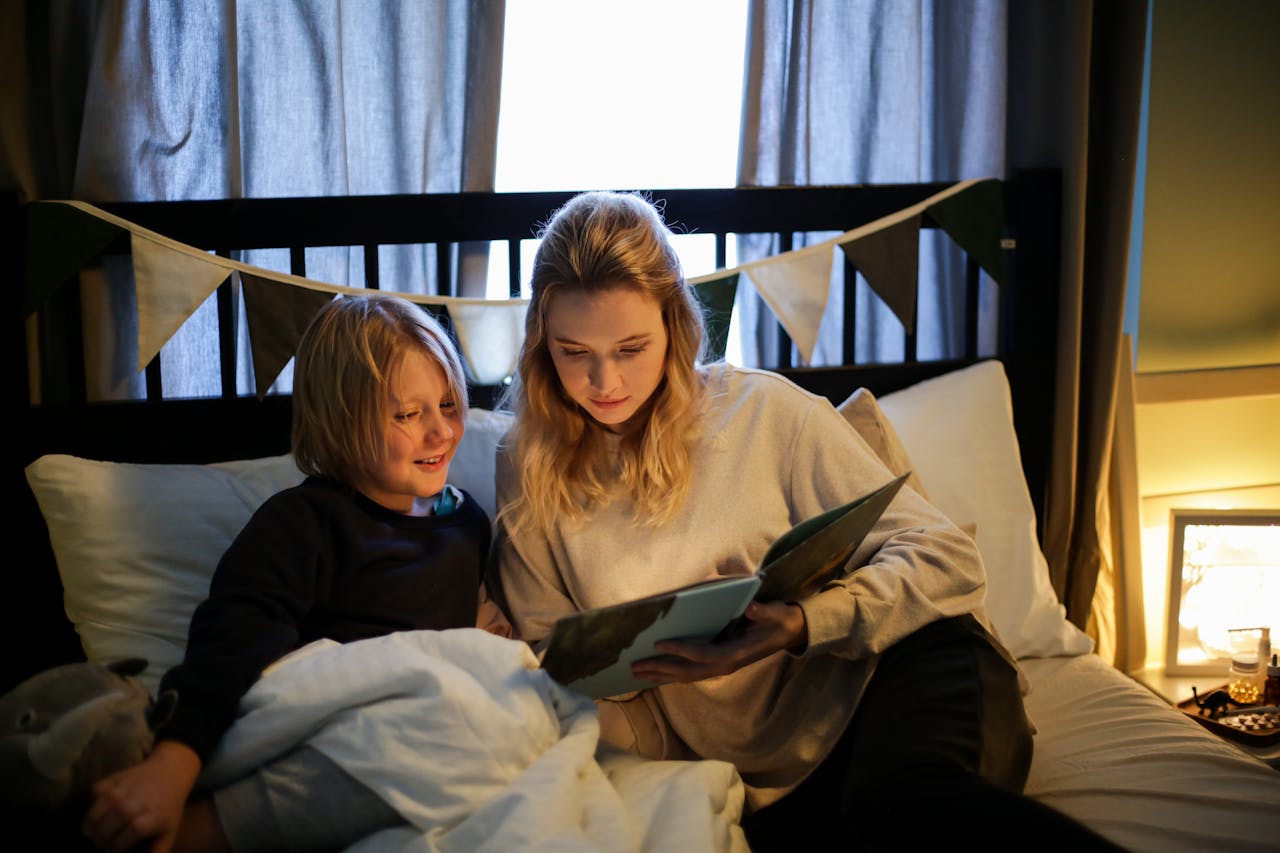
- Establish a soothing bedtime routine: A quiet moment before bed, such as reading a story, helps children fall asleep. It’s also important to eat a light meal before bed; avoid sugary drinks and opt for herbal tea instead.
- Limit screen time: The blue light emitted by screens (tablets, smartphones) delays the production of melatonin, the sleep hormone.
A Suitable Sleep Environment
- Choose high-quality bedding: A natural mattress and pillows suited to the child’s size help ensure a restful night’s sleep.
- Limit noise and light: A dark, quiet bedroom is more conducive to deep sleep.
- Tidy up the room: Keep objects off the floor to reduce the risk of falls if the person wanders.
Stress and Anxiety Management
If a child is going through a stressful time (the start of the school year, a change in the family), it’s important to listen to them and support them with kindness.
In conclusion
Sleepwalking is a common phenomenon in children and, in the vast majority of cases, is harmless. Understanding its causes and symptoms allows parents to respond calmly. By establishing good sleep habits and making the environment safe, it is possible to reduce the frequency of episodes and ensure quality rest, thereby preventing these episodes from continuing into adulthood.
Natural bedding products, such as Kipli box springs, mattresses, comforters, and pillows, help create a peaceful, healthy, and safe sleeping environment. If these episodes become too frequent or if the child puts themselves in danger, it may be advisable to consult a pediatrician or a sleep specialist.