


Getting a good night's sleep is essential for our physical, mental, and emotional health. In a society where the pace of life is accelerating, some people seek to maximize their productivity while maintaining their well-being.
Polyphasic sleep, an alternative to traditional monophasic sleep, is attracting growing interest. This article takes an in-depth look at this practice, its benefits, its risks, and how well it fits into modern lifestyles.
What is polyphasic sleep?
Polyphasic sleep involves dividing the sleep period into several cycles spread out over 24 hours, unlike monophasic sleep, which groups all sleep phases into a single night of sleep lasting 7 to 9 hours.
The idea is to align with natural sleep cycles to optimize restorative sleep phases while reducing total sleep time—all without experiencing sleep deprivation.
Historically, figures such as Leonardo da Vinci, Nikola Tesla, and Thomas Edison are said to have experimented with polyphasic sleep to increase their productivity. This practice is based on the body’s ability to quickly enter the REM (rapid eye movement) phase, which is essential for mental and emotional regeneration.
The Different Types of Polyphasic Sleep
Polyphasic sleep can be adapted to individual needs and the demands of daily life. Here are the most common patterns:
Uberman Cycle
The Uberman schedule is one of the strictest and most intense. It consists of 20- to 30-minute sleep periods every 4 hours, totaling about 2 hours of sleep per day. This schedule is suitable for those with strong self-discipline and few social obligations.
Everyman Model
The Everyman model, which is more flexible, combines a main sleep period (3 to 4 hours) with 2 to 3 20-minute naps throughout the day. This model is often adopted by parents or people with varied schedules.
Dymaxion Model
This model divides sleep into several 30-minute naps (4) spaced evenly over a 24-hour period. Invented by Buckminster Fuller, it is considered one of the most demanding.
Biphasic Sleep
This method, which is more in line with our natural rhythm, involves a main sleep period of 5 to 6 hours, supplemented by a daytime nap. It is ideal for beginners or those who want a gentle transition to polyphasic sleep.
The Benefits of Polyphasic Sleep
Maximizing Time
One of the main benefits of polyphasic sleep is the time it saves. By splitting up your sleep, you can be more productive throughout the day; reducing your total sleep to 2–6 hours a day frees up more time for productive or creative activities.
Improved Management of MOR Cycles
Polyphasic sleep patterns promote faster entry into REM sleep phases, which are often associated with emotional processing, memory, and creativity.
Increased awareness
Short but frequent naps can reduce periods of daytime sleepiness and increase alertness, which is a major benefit for people with irregular schedules.

The Risks and Drawbacks of Non-Restorative Sleep
Despite its promises, polyphasic sleep is not without its challenges. The effects vary considerably from person to person and may include:
1. Chronic fatigue
The initial adjustment period can lead to extreme fatigue. Some people never manage to adjust, which can affect their daily performance.
2. Social Inequality
Unconventional sleep schedules can make it difficult to balance work and family obligations.
3. Impact on Mental and Physical Health
Insufficient or poorly distributed sleep can weaken the immune system, increase stress, and affect concentration over the long term.
How do you practice polyphasic sleep?
Adopting a polyphasic sleep schedule requires careful preparation and strict discipline. Here are a few steps to help you adjust:
1. Set a specific schedule: Choose the schedule that best fits your lifestyle and stick to it strictly.
2. Create an environment conducive to sleep: Make sure your sleeping area is dark, quiet, and comfortable.
3. Help yourself fall asleep quickly: Use relaxation techniques such as meditation or deep breathing to help you fall asleep quickly.
4. Be patient: It may take several weeks to adjust. Listen to your body and adjust your schedule as needed.
The Role of the Sleep Environment
Restful sleep—whether monophasic or polyphasic—depends on the quality of the sleeping environment. Mattresses, pillows, and bedding accessories play a key role in improving sleep quality.
The Importance of a High-Quality Mattress for Restful Sleep
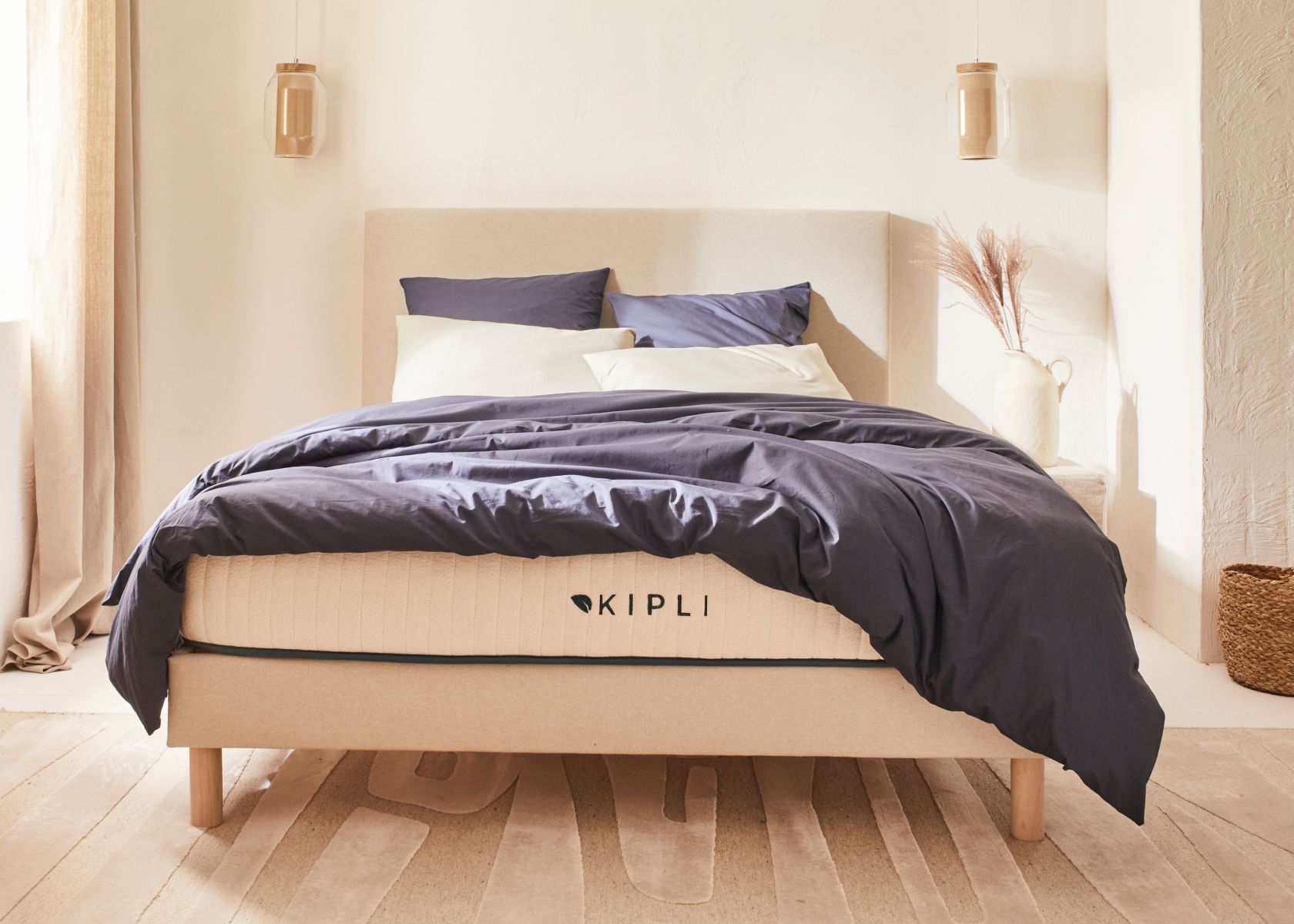
A good mattress reduces pressure points, improves spinal alignment, and promotes complete muscle relaxation. Natural latex mattresses, such as those offered by Kipli, are ideal for providing optimal comfort while being environmentally friendly.
Essential Accessories for Practicing Polyphasic Sleep
Ergonomic pillows and breathable sheets help maintain an ideal body temperature, which is essential for restful sleep, especially when sleep periods are short.
Why Choose Kipli?
Kipli stands out for its commitment to quality, sustainability, and well-being. When you choose Kipli products, you’ll enjoy:
• Natural materials: 100% natural latex mattresses are hypoallergenic and environmentally friendly.
• Optimal comfort: The balanced support provided by Kipli’s mattresses and pillows enhances recovery during sleep cycles.
• Environmental commitment: Each product is designed to minimize its impact on the planet, a benefit for consumers concerned about their environmental footprint.
Polyphasic Sleep and Modern Lifestyles
Polyphasic sleep has its place in various modern contexts:
• Students: Young people during exam periods can use short cycles to maximize their study time while staying alert.
• Professionals: Entrepreneurs or workers with flexible schedules can take advantage of models like Uberman or Everyman to work on their projects with greater focus.
• Explorers or sailors: Polyphasic sleep cycles are commonly used in situations that require constant alertness.
Practical Tips for Implementing Polyphasic Sleep
To fully enjoy the benefits of polyphasic sleep, here are a few recommendations:
1. Establish a calming routine: Practice meditation or read before each sleep cycle to help your mind relax quickly.
2. Invest in a Kipli mattress: The comfort and support it provides promote deep sleep, even during short periods of rest.
3. Watch what you eat: Avoid stimulants like caffeine before your rest periods to ensure a good night's sleep.
FAQs on Polyphasic Sleep
1. Who can try polyphasic sleep?
Anyone in good health can try it, but it is not recommended for children, teenagers, or people with preexisting health conditions.
2. Is it possible to return to monophasic sleep?
Yes, but it will take some time for the body to adjust to longer cycles.
3. Is it harmful to your health?
When mismanaged or practiced over the long term, polyphasic sleep can lead to health problems. A gradual and responsible approach is recommended.
4. How long does it take to adjust?
Generally, it takes 2 to 4 weeks to fully adjust.
5. Are Kipli products suitable for polyphasic sleep?
Absolutely. The superior quality of Kipli mattresses and pillows ensures optimal comfort for short, restful sleep cycles.

Conclusion: Less Sleep, but Restorative Sleep
Polyphasic sleep offers a fascinating alternative for those looking to maximize their time while respecting their body's needs.
It is also ideal for specific occupations, such as sailors or night shift workers, who need to maintain a healthy sleep schedule without compromising their physical or mental health.
Although this method isn't for everyone, it can transform the way we think about rest. By creating an ideal sleep environment with Kipli, you can optimize your sleep cycles and take care of your well-being, no matter which model you choose.
Discover Kipli’s solutions today for a good night’s sleep that’s good for your health and the planet.