


While choosing the right mattress, box spring, comforter, and pillows is important, choosing the right bedding is just as important. More than just a decorative element in the bedroom, bedding determines how comfortable you feel and the quality of your sleep.
The materials used and the weaving processes employed to make bedding offer various levels of quality. Among this wide variety of fabrics, you may choose cotton percale bedding—we’re here to help you make the right choice.
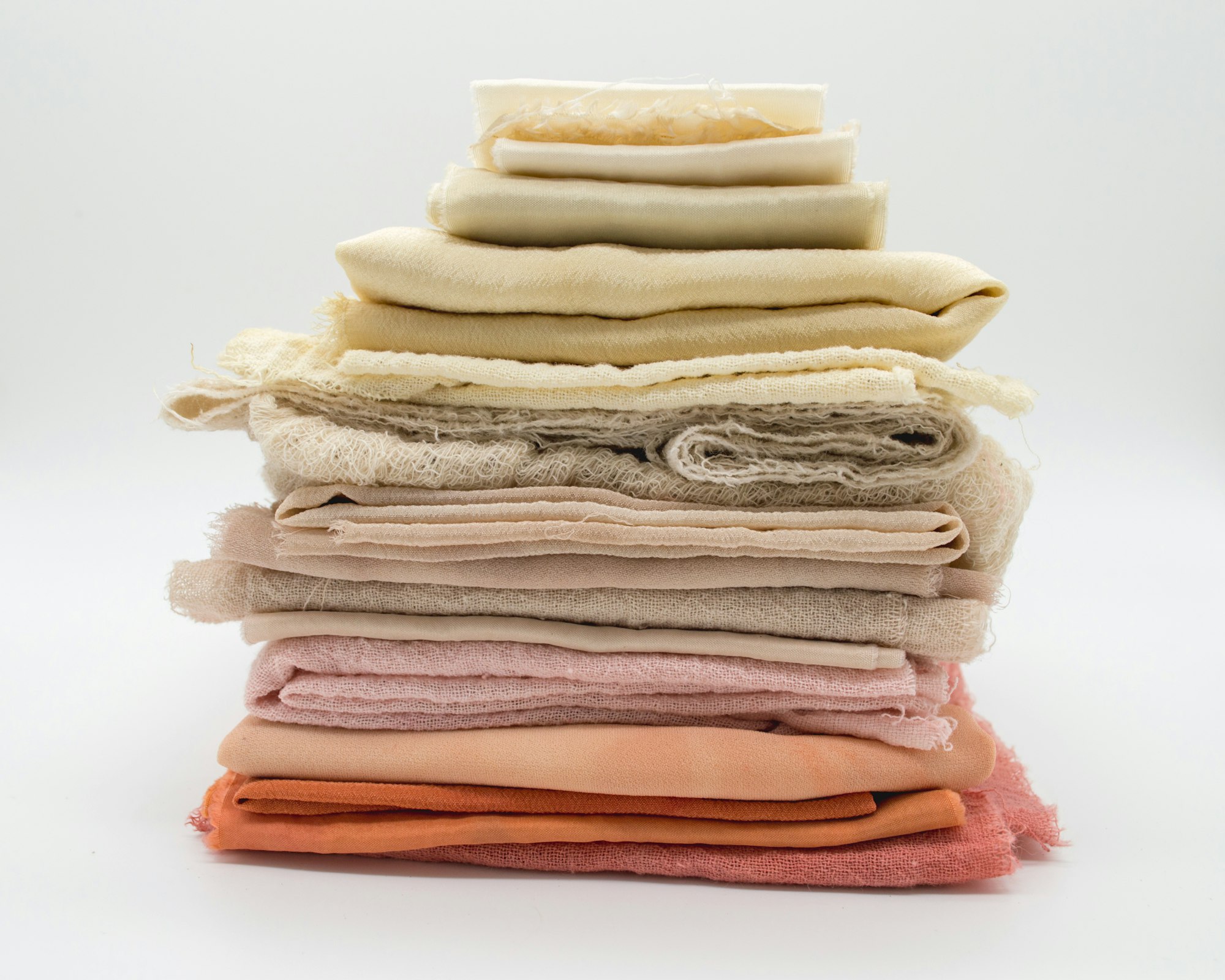
What is percale?
In the textile industry, percale is often mistakenly considered a fabric in its own right. In reality, percale is a weaving technique used for textile fibers—most commonly cotton fibers, since they are the most widely produced and most common fibers in the textile industry (accounting for 50% of global consumption).
Cotton is a plant fiber that surrounds the seeds of the cotton plant. Once harvested, the cotton fibers are separated from the seeds they surround. They are classified according to their length and thickness. Generally speaking, the longest fibers are also the finest. These fibers are spun into yarn, which is then woven into cotton fabric (such as percale, satin, flannel, gauze, or cotton jersey).
Today, cotton percale is mainly used for bedding (duvet covers, fitted sheets, flat sheets, pillowcases, etc.), and very rarely for clothing. However, if you’re looking to buy a cotton percale bedding set, be sure to check the fabric composition carefully: many of them are made of 50% cotton and 50% polyester, in which case they are actually poly-cotton fabrics.
However, 100% cotton bedding ensures a healthy bedroom and a good night’s sleep—provided it’s organic. That’s the choice Kipli made when designing its organic cotton percale bedding set. Oeko-Tex certified, this cotton is ideal for bedding that is naturally breathable, hypoallergenic, and soft, ensuring optimal comfort throughout the night.
Cotton percale: a fine, tightly woven fabric
Weaving is a process for joining threads made from textile fibers. The multitude of threads interwoven vertically (warp threads) and horizontally (weft threads) forms a piece of fabric.
To assess the quality of fabric, we look in part at the number of threads woven per square centimeter of fabric—in other words, the fabric’s thread count. One might tend to think that the more threads there are in the fabric, the higher the quality of the bedding. However, the thread count is only meaningful if several other factors are taken into account, such as:
- the type of yarn used for weaving (single, double, triple, etc.);
- the type of textile fibers (cotton, polyester, etc.);
- the length of textile fibers.
For example, cotton bedding can be made with 57 threads (plain weave), 80 threads (percale), or 120 threads (satin). However, this number has nothing to do with the quality of the cotton used.
As for cotton percale, this fabric is produced through a well-defined weaving process: the threads pass one by one over and then under, both horizontally and vertically. High-quality bedding is generally made from cotton percale woven at 80 threads per square centimeter: this is the case withthe Kipli organic cotton bedding set (duvet cover, fitted sheet, flat sheet, and pillowcases).
This cotton weaving technique gives the bedding a matte appearance and a soft feel —features you can check for yourself before purchasing your bedding set. A soft, breathable bedding set will ensure maximum comfort for a good night’s sleep every night.
Thanks to its tight weave, the bedding will also be more durable over time, even after repeated washings. The quality of this fabric justifies the relatively high prices of cotton percale bedding.
How do you properly care for percale bedding?
With each machine wash (up to 40 °C), the cotton will become even softer. To preserve the fabric's quality, do not use bleach or chlorine when washing the laundry.
Cotton percale bedding tends to wrinkle, especially if it’s tumble-dried (maximum 60 °C) rather than air-dried: simply iron it with a hot iron (maximum 150 °C). Cotton percale linens that don’t wrinkle are actually a bad sign: it indicates that chemical treatments—which can sometimes be harmful—were applied during the fabric’s manufacturing process.
If properly cared for, a cotton percale bedding set will last a lifetime; only dark colors will fade over time.
What's the best season for percale sheets?
To sleep well, regardless of the room temperature, your bedding should be adjusted according to the season.
A cotton duvet cover, fitted sheet, and pillowcases are suitable for all seasons. In fact, cotton is a naturally breathable fabric that feels light—provided it is high-quality. This fabric is therefore ideal for people who sweat a lot at night.
What size, colors, and patterns should you choose?
When it comes to the size of a percale duvet cover, all you need to do is know the dimensions of your duvet and refer to the standard sizes listed on the product in-store or online. If you like to use a flat sheet between the duvet cover and the fitted sheet, then it should be larger than your mattress. As for the fitted sheet, it should be sized to fit the thickness and dimensions of your mattress so that it covers it perfectly. Finally, there are two standard sizes for pillowcases: square and rectangular.
Just like choosing fabrics, selecting the colors and patterns for your percale bedding is, above all, a matter of personal taste. The weaving method allows for great freedom in choosing patterns and colors. It’s up to you to choose the bedding that best matches the decor style of your bedroom or home.
We recommend these other pages:
- How do you choose bedding for a baby?
- How to Choose Linen Bedding?
- How to Choose Cotton Gauze Bedding?
- How do you choose cotton satin bedding?
- How do you choose flannel bedding?
- What makes high-quality bed linens?
-
How to Choose a Pillowcase
- How to Choose a Fitted Sheet?
- How to Choose a Duvet Cover?