


It’s 3 p. m. You’re at work, and that feeling of fatigue hits you out of the blue. Your vision blurs, your mind wanders, and your concentration falters. You could push through—just a little longer. Or you could choose another path, one that’s simpler and more effective: the micro-nap. A quick nap of 20 minutes or less, designed to recharge your batteries without disrupting your nighttime sleep. In the Kipli spirit, this practice is part of a way of life centered on slowing down, observing, and finding balance.
What exactly is a micro-nap?
A short, intentional nap—without overdoing it
A micro-nap (or power nap) is a short sleep break, usually lasting between 10 and 20 minutes. It serves a simple purpose: to allow the brain to release built-up tension without entering a deep sleep phase. It is this distinction that makes all the difference.
Power Naps and the Sleep Cycle: A Matter of Timing
When we fall asleep, we go through different stages of sleep. The first few minutes are characterized by light sleep. If the nap lasts longer, the body may enter deep sleep. Waking up at that point can sometimes leave us feeling heavy, as if we’d been pulled too quickly out of another world.
The micro-nap, therefore, aims for the right balance: long enough to improve alertness, yet short enough to make it easy to wake up from. It fits well with a segmented approach to sleep, in which we accept that rest can also be experienced in short bursts.
If you tend to wake up groggy after a nap, make it shorter. For 10 to 20 minutes, most people stay in a light sleep. The goal isn’t to “sleep a lot,” but to sleep just enough to recharge.
The Benefits of Taking a Quick Nap Every Day

Regain your focus, without straining
The most immediate benefits relate to attention. After a power nap, the mind is often clearer, concentration returns more easily, and tasks requiring cognitive effort seem less taxing. It’s not a “quick boost.” It’s more like a reset.
Relieve accumulated stress and fatigue
Fatigue isn't just a lack of energy—it's also a form of tension. A short nap can help relax the body, calm your inner rhythm, and allow you to resume your activities with greater composure. On a busy day, this brief respite becomes a moment to catch your breath.
Preventing Sleep Debt (Without Replacing a Full Night's Sleep)
A micro-nap is no substitute for a full night’s sleep. But it can help limit the buildup of sleep debt when nights are too short or fragmented. It acts as a minor adjustment, not a miracle solution.
Micro-naps at work: when the day takes a turn

A familiar scene: 3 p.m., my mind starts to fog up
During a workday, energy levels don’t always follow a straight line. There are peaks of focus, followed by quieter lulls. These moments don’t reflect a lack of commitment, but simply the natural rhythm of our sleep cycle. The body slows down slightly, alertness drops, and the mind calls for a brief but genuine break.
That’s where the micro-nap comes in. A few minutes to close your eyes, let your mind wind down a bit, and then come back. A quick nap doesn’t erase the day. It changes its texture.
Incorporating a nap without disrupting your routine
At the office, it’s not always possible to lie down. Still, taking a nap can be as simple as this: find a quiet spot, relax your shoulders, set a timer, and treat this time as time well spent. Even while sitting, your body can unwind.
How to Take an Effective Power Nap
The ideal duration: 10 to 20 minutes
For most people, the most comfortable duration is between 10 and 20 minutes. This reduces the risk of entering a deep sleep phase and minimizes grogginess upon waking.
Create conditions that promote falling asleep
A successful micro-nap depends on a few simple elements: soft lighting, a comfortable temperature, and minimal noise. If the environment is bustling, soft music or constant background noise can help “shut the door” on distractions. The idea is to makeit easierto fall asleep, not to struggle.
A simple action: drifting off into a light sleep
To drift off into a light sleep more easily, try breathing slowly for a minute or two, without worrying about how well you’re doing it. A micro-nap isn’t a technique—it’s a way to relax.
If you’re looking for a “comfort” benchmark for your recovery time, a breathable mattress helps ensure a more restful sleep over the long term. For example, a 100% natural latex mattress is often chosen for its breathable structure, which aligns with a desire for freshness and simplicity.
Things That Can Disrupt Sleep (and How to Avoid Them)
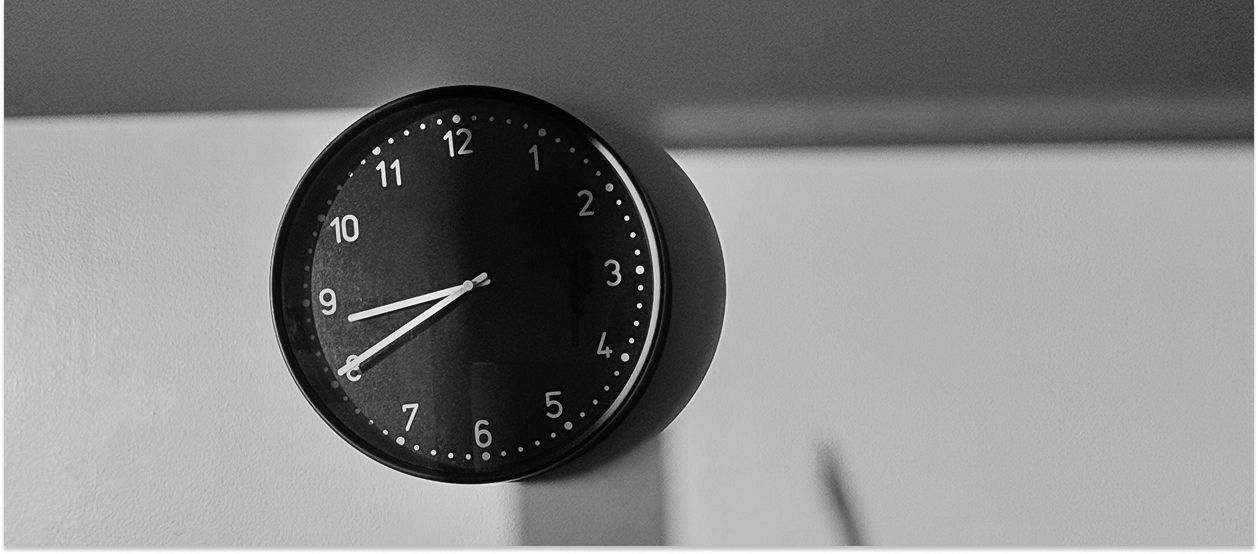
When a nap goes on too long
A nap lasting 30 to 60 minutes can be beneficial in certain situations, but it also increases the risk of waking up from deep sleep and can make it harder to fall asleep at night if taken too late. If your goal is to feel better in the afternoon without disrupting your nighttime sleep, a micro-nap is still the simplest option.
If you have trouble sleeping
If you have persistent sleep disturbances, frequent awakenings, or chronic sleep problems, a power nap can provide temporary relief from fatigue, but it is no substitute for addressing the underlying causes. In this case, pay attention to your sleep patterns: does the power nap help, or does it mask a significant sleep debt that needs to be addressed first and foremost at night?
Micro-naps: A Simple Break, Lasting Balance
A micro-nap doesn't promise to transform your life in a single afternoon. It offers something else: a way to respect your sleep cycle, listen to your body when you feel tired, and regain clarity without becoming jaded.
In our fast-paced daily lives, taking a nap for just a few minutes may seem like a small thing. Yet that is often what comfort is: a subtle, recurring simple pleasure that brings us back to what really matters.
It doesn't take much: a quiet place, a timer, and permission to slow down.
Kipli, plain and simple.
Back to the Table of Contents