


Verticals: Elevating the Space, Soothing the Eye
Vertical lines play a key role in the architecture of comfort. According to a study conducted by the University of Toronto (Journal of Environmental Psychology, 2017), rooms perceived as “taller” create a greater sense of calm and lightness.
A few simple tips:
- Opt for light, airy curtains with vertical stripes.
- Use tall, narrow shelves to naturally draw the eye toward the ceiling.
- Opt for furniture with a slender design, such as a slender floor lamp.
- In a bedroom, choosing a bed frame—made of natural wood—that sits slightly off the floor enhances this sense of serene height while making the room appear more spacious.
Horizontal: stretching out the space, inviting relaxation
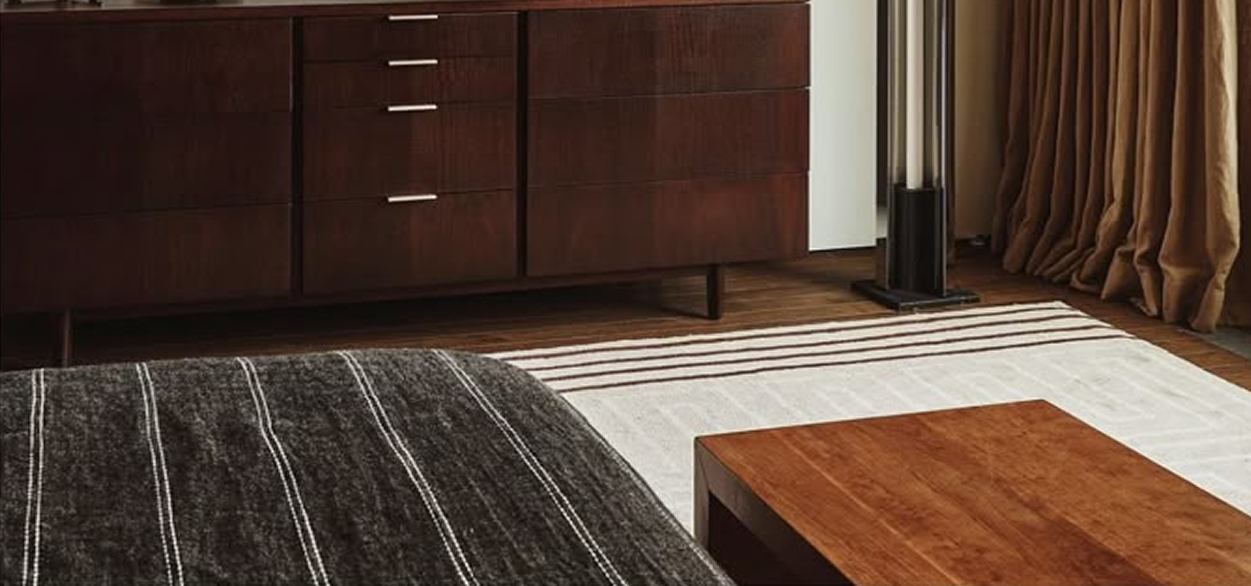
Conversely, horizontal lines expand the perspective. They create a more “spread-out” perception of the room, which is ideal for creating a sense of calm and stability. An analysis by Interior Design Trends 2023 also shows that layouts that emphasize horizontal lines are associated with a greater sense of relaxation among 68% of those surveyed.
Here are a few strategies that are easy to implement:
- A long bench at the foot of the bed, extending from the bed frame.
- A rug spread out under the bed, extending beyond the sides.
- Soft, flowing lines in our selection of home linens.
- Choosing a low bed made of natural materials such as solid wood also helps create this subtle effect of making the space appear more open.
The Role of Mirrors: Extending Space Without Overwhelming It
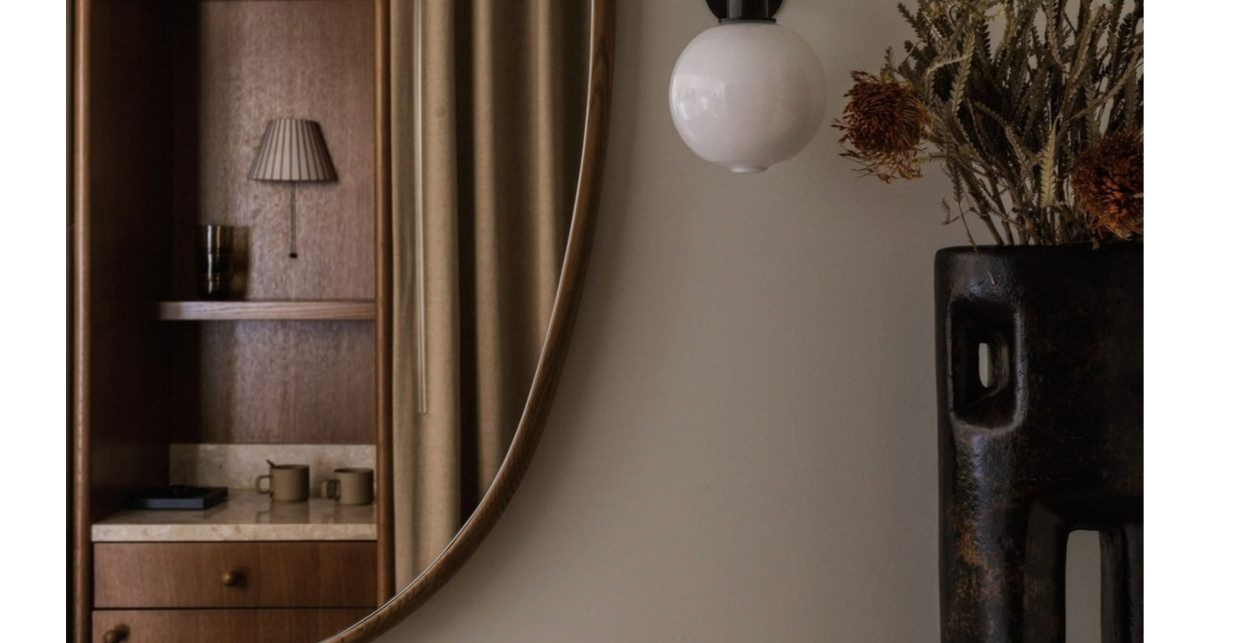
Well-placed mirrors create a sense of depth. Placing a large mirror across from a window or in line with an opening naturally enlarges the space and brightens the room, reducing the feeling of confinement by an average of 40 percent, according to a study conducted by The Lighting Research Center.
For a gentle sense of harmony:
- Choose simple frames made of high-quality materials (raw wood, understated metal).
- Opt for rounded or slightly oval shapes to break up excessive rigidity.
- In a bedroom, a mirror placed opposite the foot of the bed—as a natural extension of the bed frame—can completely transform the perception of space.
Visual Clutter: The Enemy of Comfort
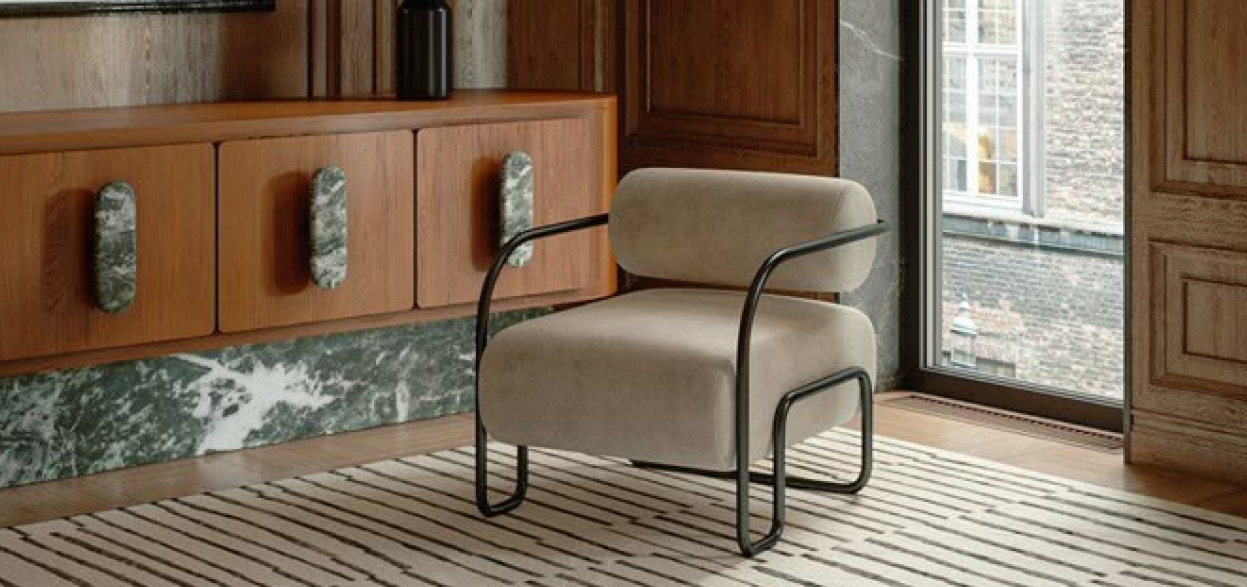
Having too many pieces of furniture, knickknacks, or different textures creates cognitive overload. The brain has to process more visual information, which increases the feeling of mental fatigue (source: Neuroscience of Design, 2021).
A few habits to adopt:
- Limit furniture to only what is essential.
- Encourage the natural alignment of elements.
- Choose furniture made from materials that complement each other (for example, light wood pieces that go well with a bed featuring simple, natural lines).
- When it comes to comfort, less is often more. A well-designed, minimalist bed frame fits seamlessly into this philosophy.
✨ In summary
Lines do much more than simply define space: they influence our emotions, our comfort, and our ability to relax. Mastering this subtle art means creating a sanctuary in your home, where every detail quietly contributes to your daily well-being.