

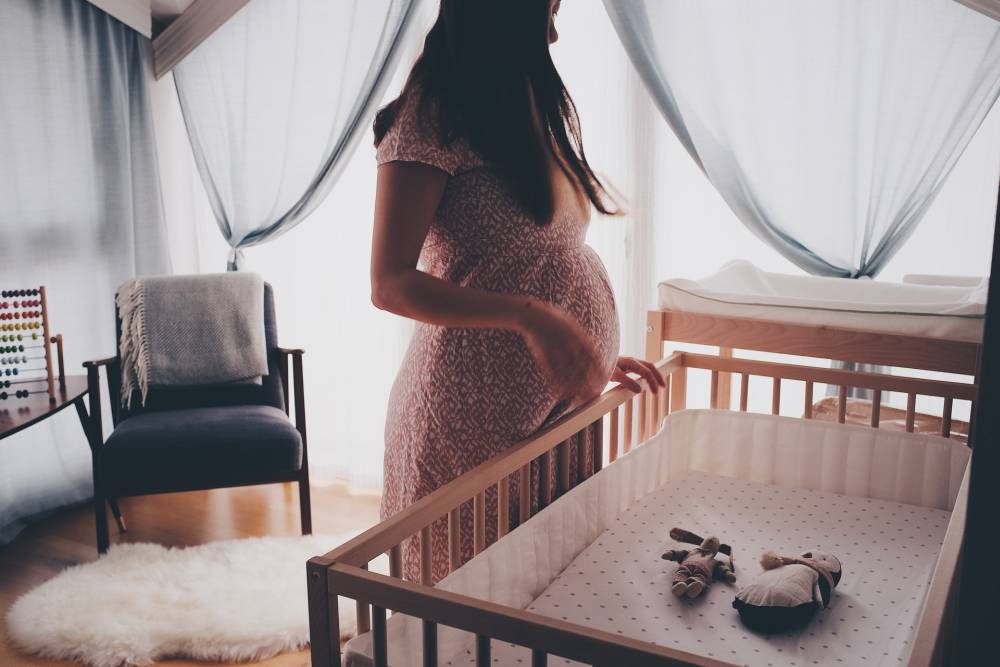
While waiting for the baby’s arrival, expectant parents have a very busy schedule. There are so many things to think about before the baby comes! In this rush to get everything ready, the biggest investment is undoubtedly the nursery, because so much is at stake. You need to create a cozy nest to welcome your child and help them sleep peacefully—after all, the reason babies sleep so much is simply so they can grow stronger.
However, choosing a crib isn’t as easy as it seems. What size crib should you choose? How can you ensure your baby’s safety while still getting a good night’s sleep? From cradles to co-sleeping beds, treehouse beds, and cribs with bars, here’s an overview of sleeping options for toddlers.
Questions to Ask Yourself Before Choosing a Crib
All parents want to create a beautiful and cozy space for their newborn, and choosing a crib is not a decision to be taken lightly. It’s therefore important to ask yourself a few questions to select the right furniture for your child’s many naps.
What type of sleeping arrangement is best for infants?
To sleep well, a baby needs to feel safe. After spending 9 months warm and cozy in Mom’s womb, the baby needs a comforting space that isn’t too big—so they don’t feel lost. In the first few weeks, healthcare professionals recommend using a crib that’s sized for the newborn, as it combines comfort and safety. After 6 months, the baby has grown, and it’s time to switch to a different bed. Transitional solutions are available for those who want to invest in a real crib from the start, such as a crib insert, designed as an adjustable cocoon that adapts to the baby’s size as they grow.

How can you ensure a crib is safe?
During the first few months, a baby will spend most of its time lying down, so it is essential that furniture meets certain current safety standards set by the European Commission . Once this has been verified, it is recommended that you remain vigilant about certain features:
- the absence of chemical treatment on the materials;
- the non-toxicity of paints and varnishes;
- the height of the sleeping surface should be greater than 30 cm, because even though the height of cribs is generally adjustable, it must be at least 60 cm once the baby can sit up;
- the standard size for a baby bed is 60x120 cm or 70x140 cm, although for infants it is recommended to choose cribs and bassinets that range in size from 30x71 cm to 40x90 cm, depending on the model;
- whether the mattress size matches the bed's dimensions;
- the firmness of the mattress, which should not be too soft or too flexible;
- the presence of a crib bumper and appropriate bedding;
- the wheel-locking system;
- the locking mechanism for the removable bars;
- the stability of the crib, which should not wobble much when shaken gently;
- Finishes—be careful of splinters on wooden parts; screws should be polished or covered, etc.

At what age does a baby start sleeping in a big bed?
The transition from a crib to a toddler bed isn't tied to a specific age. Parents should therefore start paying attention to changes in their baby's behavior as early as 18 months. There are many early signs:
- the bed is getting too small;
- There are many difficulties getting him to go to bed;
- Sleep problems are recurring;
- The toddler begins to climb the bars;
- The toddler seeks independence and new experiences.
Features of Different Crib Models
When it comes to cribs, there are so many models to choose from that it’s easy to feel overwhelmed. A quick overview of the different options available on the market can help you make sense of this puzzle and choose with confidence.
Cribs for Newborns: On Wheels, Classic, or Vintage
Smaller than a crib, the compact size of a bassinet is ideal for a baby’s first few weeks and helps them feel secure. Despite its many advantages, keep in mind that this type of baby bed should not be used for more than 6 months. Whether modern, stylish, natural, vintage, or on wheels, it’s hard not to fall in love with a pretty bassinet. Be careful, though: while the vintage look of heirloom or antique cradles may be appealing, they require special attention when it comes to safety—particularly when selecting an appropriate mattress.
The co-sleeping crib designed to be placed next to the parents' bed
Sleeping with your baby in your bed may seem like a good idea to some exhausted parents, but this arrangement is not without risks and is therefore strongly discouraged. With a co-sleeping crib, the solution is simple. This type of crib features a removable side panel specifically designed to attach to the parents’ bed. This way, everyone sleeps safely in their own space, yet close by. Breastfeeding moms especially appreciate having their baby right by their side at night.
The traditional height-adjustable crib
The reason the crib is so popular is that it has proven itself. Comfortable and safe, it’s easy to clean, provides good ventilation, and can be adjusted in height as the child grows, thus sparing parents’ backs and preventing the risk of the child falling out. Most of them feature a higher setting suitable for newborns, for those who don’t want to invest in a bassinet at birth.
The convertible bed to grow with your child from birth through adolescence
Choosing a convertible crib is a long-term investment for the nursery. It’s designed to grow and transform at the same pace as the child, at least until age 7 and sometimes into adolescence. Depending on the model, it can easily transition from a crib to a toddler bed, and then to a full-size bed. While it is more expensive to purchase and can be quite bulky, it offers a great deal of peace of mind for the future.
The Montessori Crib: At the Heart of Learning and Independence
Also known as a cabin bed or house bed, the Montessori bed is based on the famous alternative teaching method, which offers children greater independence and freedom of movement. These bed designs go against the idea of a baby confined to a crib or behind bars, waiting for someone to come and take care of them. Here, the baby is active and moves around their environment as they please. The cabin bed is close to the floor to prevent falls, and the risk of injury is lower if the baby’s room is properly secured.
We recommend these other pages: