

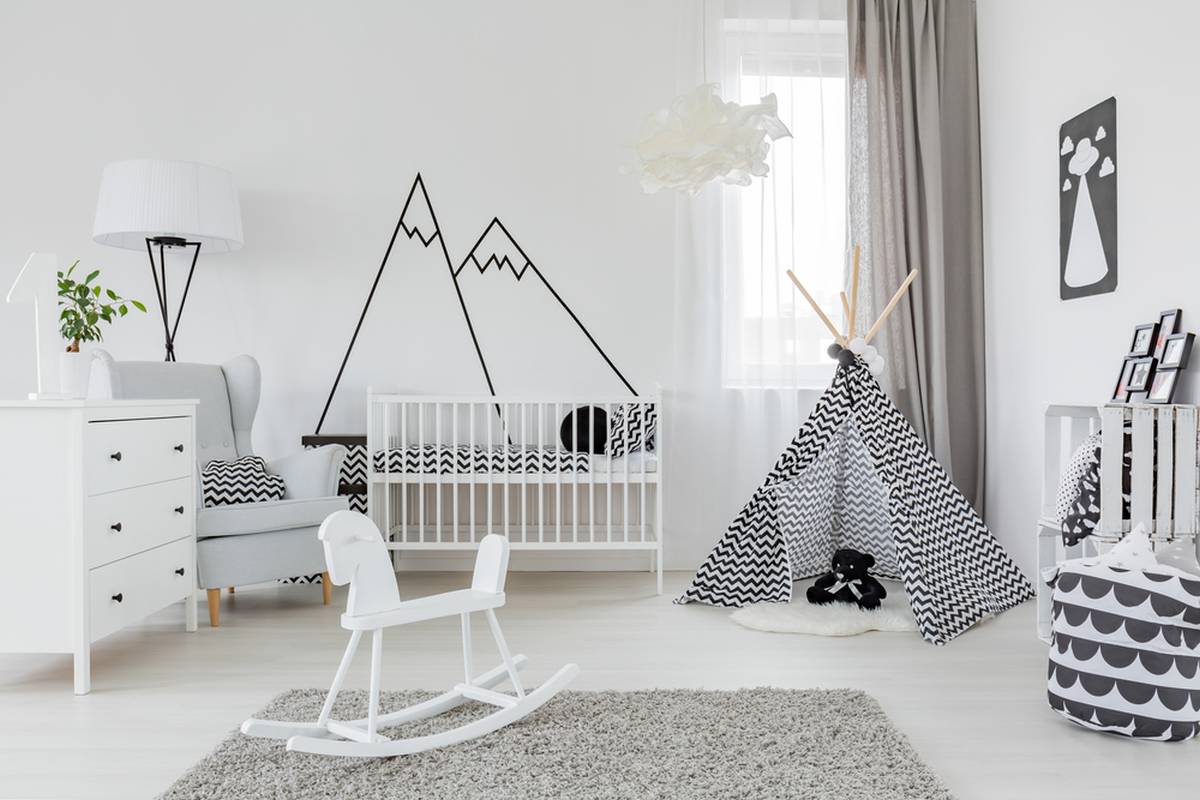
Children's Room Rugs: What to Look For
Rugs are among the most popular home decor accessories. Perfect for a variety of decor styles, they also help children play and learn, and protect neighbors from noise. They also help retain heat in the winter.
However, when choosing a bedroom rug, parents should consider several factors. From material to color, and from shapes to manufacturing methods, how can you use these characteristics to choose a rug for a child’s bedroom? Here are some answers.

Why put a rug in a child's bedroom?
In a bedroom, a rug obviously serves a decorative purpose. But a rug is also a versatile accessory. It keeps children safe, helps organize the room, and dampens noise. These are all good reasons to place a rug in a child’s bedroom.
Children's rugs: a useful decorative accessory
Rugs are often used as part of a child’s bedroom decor. Regardless of the rug’s color, pattern, or shape, the goal is to make the room more pleasant and cozy. Furthermore, a children’s rug is a great way to personalize the room to suit the child’s tastes. Children old enough to make their own choices can create a space that reflects who they are, especially since it’s important for them to live in an environment that fosters the healthy development of their imagination.
Extra safety for young children
A playmat comes to the rescue when your baby is learning to walk. Thick and comfortable, it helps protect your child from scrapes and bruises while they’re learning to walk.
Children's Rugs: A Useful Tool for Decorating a Child's Room
Do several children share a room? The rug can serve as a boundary, marking the entrance to each child’s personal space. Conversely, the rug can also symbolize a shared space where the children play together.
The bedroom rug: a good sound insulator
Kids are real bundles of energy who love to run, jump, and shout. These moments are essential for their development. So they need to burn off their excess energy. Unfortunately, those who live in apartments don’t have the opportunity to let that energy out the way they’d like. To let children play in peace while avoiding upsetting the neighbors, a bedroom rug is the ideal solution. The noise stays in the bedroom and doesn’t carry over to the neighbors.
When a children's playmat becomes part of the kids' games
What if a bedroom rug were the perfect addition to a child’s playtime? The famous racetrack-shaped rug lets toddlers embark on wild car races. Hopscotch, a reading nook, or a backdrop for dinosaurs or superheroes: the rug is a play area that’s as fun as it is creative.
How do you choose a rug for a child's bedroom?
Every rug has its own strengths and weaknesses, but several factors set them apart and make it easier to choose one. Colors, materials, manufacturing methods, dimensions, and shapes: parents consider certain factors to help them make the best choice.
Choosing a Children's Rug Based on the Material It's Made Of
The choice of carpet material has always been a key consideration. Natural or synthetic? Manufacturers use a variety of materials to make their carpets.
Synthetic rugs
In recent decades, parents have preferred synthetic materials. Polyester, polypropylene: materials derived from the petrochemical industry have the advantage of being durable, easy to maintain, and less expensive. For a long time, synthetic carpets were believed to keep out dust and dust mites. However, this is not the case. Only a carpet that is cleaned weekly can help reduce allergies. Furthermore, polyester and polypropylene carpets are treated with chemicals that, over time, release endocrine disruptors.
Carpets Made from Natural Materials
Wool and cotton, which are more pleasant to the touch, make up the bulk of natural rug collections. They also help insulate the room better against the cold in winter. Furthermore, contrary to popular belief, they aren’t that difficult to care for. However, dusting should be done weekly, especially if there are pets in the house. Other materials, such as bamboo and sisal, are easy to care for, but they are less comfortable than wool and cotton. Finally, natural materials come from renewable resources and are much more environmentally friendly than synthetic materials.
Children's Rugs: Choosing Based on Manufacturing Method
The quality of a children's rug also depends on the manufacturing techniques chosen by the artisans.
- Knotted rugs: As the name suggests, these rugs feature knots tied onto the warp threads. Hand-knotted rugs are more durable than machine-knotted ones. This type of rug is very soft, especially if it is made from natural materials.
- Tufted rugs are industrially manufactured. The finishing process for these rugs involves the use of chemicals. It is therefore best not to choose one for a child's bedroom.
- Woven rugs are particularly well-suited for children's rooms. They are easy to care for and usually have two identical sides.
- A knotted rug is edged with thread, which makes it more resistant to fraying. However, this feature makes it less attractive than other types of rugs.
Factors to Consider When Choosing a Children's Rug: Size and Shape
Of course, the size of the bedroom rug plays a huge role in the final choice, since a rug that’s too large could make the room feel cluttered. You should also consider the furniture layout to better determine the ideal rug size. For the best aesthetic, the rug should extend about 60 cm beyond each side of the bed. The shape of the bedroom rug also depends on the available space. Rectangular rugs fit in anywhere, whereas circular, triangular, or wavy rugs require more space. In any case, the rug’s area should not exceed one-quarter of the bedroom’s total floor area.
Choosing a Children's Rug Based on Color and Patterns
The color and patterns of the rug influence not only the room’s decor but also the child’s mood. In fact, the harmony between the colors, the floor, the furniture, and the walls creates the room’s atmosphere. Starting at age 5 or 6, the child’s opinion also matters. Bright colors are often children’s favorites, but light colors are more prone to showing dirt. Patterns also reflect a child’s tastes, but be careful: their preferences tend to change quickly. It’s best to opt for timeless patterns (animals, dinosaurs, geometric shapes, planets, etc.). For teenagers, calm and pastel shades promote concentration and are ideal for study periods.
Children's Rugs: Choosing an Eco-Friendly Option
Finally, environmental considerations are playing an increasingly important role in the selection of a rug. Natural and renewable materials should be prioritized, as should local artisans. Several certifications attest to manufacturers’ environmental and ethical commitments, such as:
- Wools of New Zealand;
- Oeko-Tex;
- Eco-Tan Lambskin;
- Care & Fare;
- etc.
These various options are therefore particularly beneficial for a child's well-being.
We recommend these other pages:
- What are the benefits of a wool rug?
- What are the benefits of a jute rug?
- How to Choose an Entryway Rug?
- How to Choose a Kitchen Rug?
- How to Choose a Rug for Your Bedroom?
- How to Choose a Dining Room Rug?
- How to Choose a Living Room Rug?
- How do you choose a rug for a baby's room?
- How to Choose the Right Colorful Rug?
- How to Choose the Right Berber Rug?