

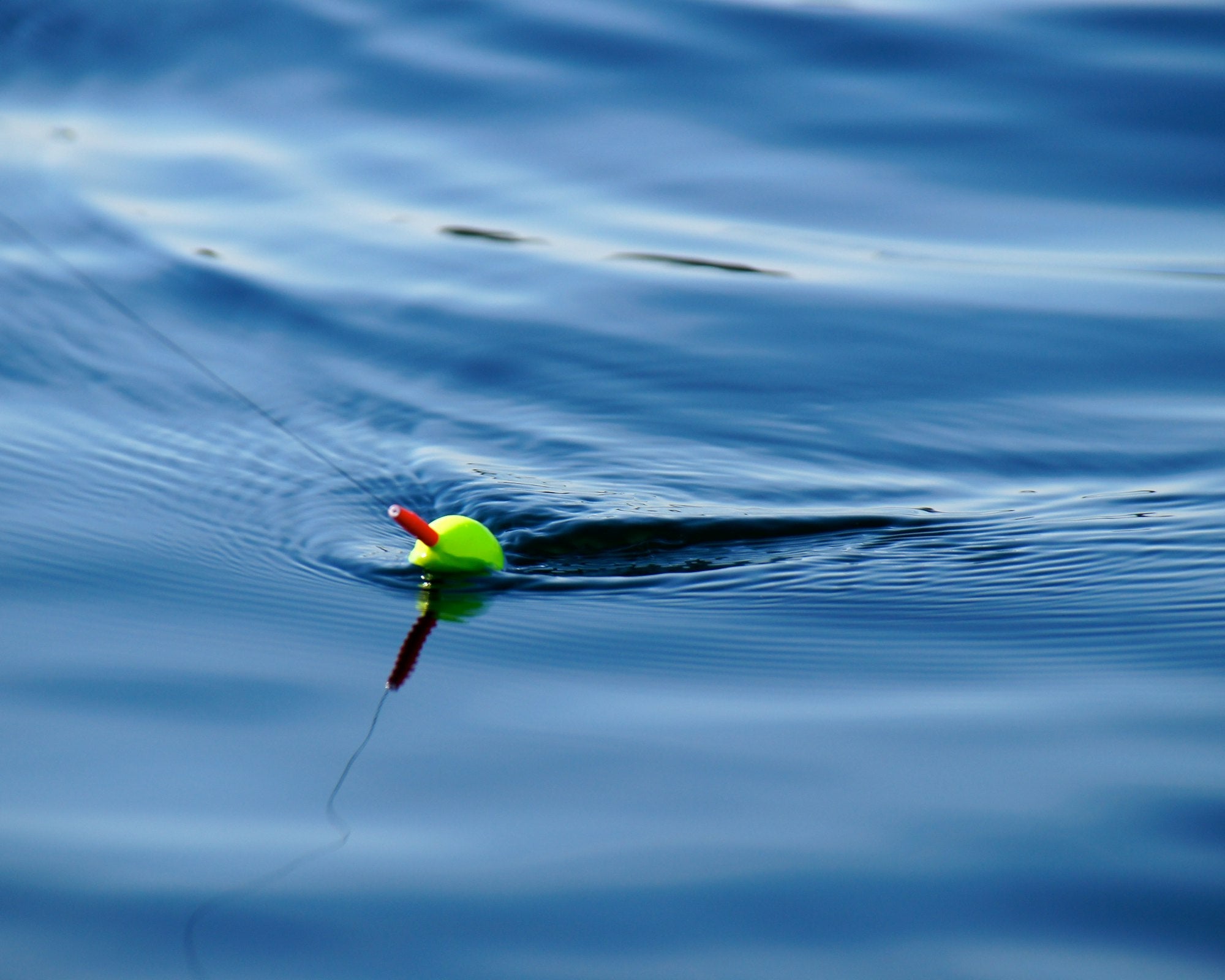
The world’s population continues to grow, leading to an increase in food consumption—which, of course, has consequences. This is particularly true for meat, whose global consumption has quadrupled since the 1960s. According to the FAO (Food and Agriculture Organization of the United Nations), industrial livestock farming is responsible for nearly 15% of greenhouse gas emissions. Unfortunately, the marine environment is far from being spared. Indeed, the environmental impact caused by overfishing is disastrous and a cause for concern among authorities. No ocean is spared by these enormous bottom trawls, which severely disrupt the marine ecosystem and lead to the extinction of certain species. These practices have long been criticized in an effort to limit their harmful impact and promote more sustainable fishing, yet they remain all too common.
What is overfishing, and what are its consequences?
Overfishing refers to the practice of endangering marine resources through overly intensive fishing that prevents the affected species from replenishing their populations. This primarily involves fishing with cyanide, explosives, or bottom trawling. Among the worst fishing practices, bottom trawling takes the cake. Ships equipped with enormous nets sail the seas and oceans, scraping the seafloor. And everything gets caught in the process: from the smallest mollusk to dolphins. In fact, this is the leading cause of death for dolphins. This is known as bycatch, which accounts for approximately 35% of the total catch. Nearly 30 million metric tons of marine animals are caught in trawlers’ nets. This leads to a drastic decline in aquatic species (bluefin tuna, swordfish, hake, cod, etc.).
The disappearance of certain predators, such as sharks (it is estimated that more than 70% of certain shark and ray populations have been lost since the 1970s), prevents the regulation of smaller fish and contributes to the proliferation of jellyfish on Mediterranean beaches.
Coral reefs are also affected by overfishing. Since they are home to 30% of marine species, they are a vital part of the ocean ecosystem. Furthermore, they provide food for nearly 1 billion people and act as natural protective barriers against storms and tsunamis. Not to mention the plastic waste from fishing nets left in the oceans and seas, which accounts for 10% of marine pollution.

A major environmental concern that calls for swift and effective action. On February 23, Ifremer (French Research Institute for Exploitation of the Sea) reported that 56% of the fish consumed comes from sustainable fisheries. This more responsible approach to fishing represents a method for the future. It is also up to us, as consumers, to educate ourselves on this issue so that we can take action to encourage the industry to adopt more ethical fishing practices.
How can we take action on our own level?
We all have a responsibility when it comes to the environmental impact of what we consume. That’s why it’s important to turn to sustainable solutions. This is certainly true of sustainable fishing. This involves using low-impact fishing methods with small boats andavoiding bycatch —fish, mollusks, and cetaceans that are released into the ocean dead or injured. Furthermore, it means not targeting endangered species, as mentioned earlier. To choose fish wisely for consumption, you can rely on certain certifications. First, there is the MSC (Marine Stewardship Council) label, which stems from a partnership between WWF and Unilever and certifies that fish come from responsible fisheries and adhere to quotas to avoid harming ecosystems (although the organization was accused of greenwashing in 2020). The French “Pêche Durable” eco-label has been in existence since 2017 and guarantees a limited environmental impact.
Given that virtually all fish sold in large supermarkets comes from unsustainable fisheries, supporting local supply chains is a better option. Whether it’s directly at seaside or ocean markets, sold straight from the boat, or through socially responsible companies such as Poiscaille or Oh! Matelos in Gironde.
Reducing your consumption of seafood is also an effective solution, and it can even help you save money given how much prices have risen. Furthermore, some fish contain high levels of mercury. This is the case with bluefin tuna, swordfish, and mackerel.
Eat less fish, but eat better by choosing non-predatory species such as herring, anchovies, or sardines. And if you’re worried about not getting enough omega-3s, keep in mind that they’re found primarily in vegetable oils (flaxseed oil, canola oil, etc.), chia seeds, and flaxseeds, and even in certain vegetables like spinach and avocados—though in smaller amounts.
To learn more about overfishing, the documentary *Seaspiracy* investigated the catastrophic impact of industrial fishing on ecosystems