


We'll explore the benefits of napping and how to tailor it to your needs
After a stressful half-day at work, your body needs to rest for a while before getting back into the swing of things. Taking a nap once a day is enough to make you feel better. Napping is known to be beneficial for maintaining good physical and mental health. Relaxing between 1 and 3 p.m. (13:00–15:00) can have many benefits, such as reducing stress and relieving muscle pain, especially for people who sit at a desk to do their work. Doctors even say that this rest is recommended for the regeneration of neurons. But how long should a nap last? How can you get the full benefits of napping? And why should you choose a natural latex mattress?
The Benefits of a Good Nap.
For everyone—children, teenagers, adults, and the elderly—a good nap has many health benefits. According to experts, a short midday rest is equivalent to 3 hours of sleep. The goal is to allow the body to relax and also to improve mental and physical performance.
Certainly, after spending four hours in front of the computer, filing documents, or on a construction site, you feel really exhausted. That’s why it’s really hard to fully refocus after the lunch break.But taking just a few minutes to rest helps improve your memory and concentration.Ithelpsyoustay energized for the rest of the day.
In addition to being enjoyable, amicro-napalsohelps strengthen the immune system. For people who regularly suffer from fatigue, this is a necessity. Furthermore, those who experience muscle soreness from their daily activities can regain their strength.
That is why, for many people,the benefits of a nap can alleviate accumulated fatigue or a lack of sleep at night. Even in other countries, such as Japan and China,it’s considered essential to step away from the daily routinefora few moments and relax away from all problems, household chores, work, and so on. In this way, the stress that has built up from morning until noon is relieved and may even disappear.
What is the ideal length of a good, restorative nap?
To find outhow long a nap should lastandto tackle the day with more energy while staying healthy, you first need to choose between the two types of naps: the short “micro-nap” and the long nap.
Benefits of a Micro-Nap
Taking a nap—evena short one—helps you get back on track. In fact, it can give you a little boost for the next few hours of work or for the rest of the day. Keep in mind, however, that this isn’t about catching up on all your “sleep debt,” but simply about giving you the energy to stay awake and get through your afternoon tasks effectively. For example, the day after a short night’s sleep—whether from a night out with friends or a child who won’t let you sleep soundly—a micro-nap is the best option for resting and making up for the lack of sleep.
A power napcanlast15 to 20 minutes. The goal is to take a break without falling into a deep sleep. To make sure you don’t sleep too long, it’s a good idea to hold a small object in your hand. When it falls, you need to wake up. Ideally, choose something that makes a noise so you don’t miss your alarm. Why not a spoon or a coin?

Using a natural latex mattress for a nap: What are its main benefits for rest?
Benefits of a Good Nap
Taking a restorative—or long—nap is very helpful for people who want to fully recover. For many people, it’s a habit.It’s recommended for those who are sleep-deprived. If you find it difficult to sleep soundly at night due to a lack of time, this is the best option for youto improve your rest.
Generally,a good nap lasts between 1 hour and 1½ hours, or even longer, depending on your needs.The goal is to sleep deeply. In most cases, you should wake up when the sleep cycle ends. If you still have to go to work, set an alarm on your watch or phone.
In addition, at the end of a nap, it is better to take some time to wake up slowly rather than rushing to get up right away.This is especially recommended if a doctor has advised you to take a naporif you are very tired.
In addition to choosing the right time to take a nap,it’s alsoimportant to choose the right mattress. According to experts, using a good mattress helps relieve muscle and joint pain.Natural latex mattresses, for example, are among the most popular. Why? And what are the benefits?

Comfort
Toenjoy a good, restful nap, choosing a natural latex mattress is a great idea, as it offers optimal comfort. It’s true that the definition of comfort varies from person to person, butthis model provides excellent support. It adapts perfectly to the spine and helps you get a better night’s sleep. In addition,the elasticity of natural latex allows for optimal sleep independence.Thismeans that even if you’re sleeping with a partner, you won’t be disturbed by their movements, and you’ll be able to sleep soundly.
Good for your health
Choosing a100% natural latex mattress alsomeansavoiding the substances harmfultohealth found in other types of mattresses. In most cases, these mattresses contain synthetic foams derived from petroleum that are often chemically treated. These types of mattresses release VOCs(volatile organic compounds) and are therefore partly responsible for indoor air pollution.

In contrast, the Kipli mattress, made from 100% natural latex, is untreated and contains no synthetic materials. Therefore, it is healthy and poses no risk. Thanks to the properties of natural latex, the Kipli mattress isnaturally dust-mite-resistant and antibacterial. It is especially recommended for people prone to allergies. Using the Kipli natural latex mattress, combined witharestorativenap of theappropriate duration tailored to each person’s needs, will help maintain good health.
Environmental Conservation
A natural latex mattress not only promotes agood, restful nap, but also helps protect the environment. In fact, it is manufactured responsibly, and its natural composition allows it to bebiodegradableatthe end of its useful life,unlike synthetic mattresses, which become heavy waste.
Service life
In fact, after 10 years of use, the Kipli natural latex mattressloses only 1% of its density, as attested by the CATAS certification.
Some tips for taking a nap and enjoying all the benefits of napping
Knowing the right length is very important for gettingthe fullbenefits of a nap, but you also need to choose the right environment and the ideal time...
The Right Place
To get the most out of your nap, choose a quiet place. However, this doesn't mean you have to opt for complete silence. For example, the sounds of nature make it much easier to relax and take your mind off things, unlike the overly jarring noises of the city, which can sometimes lead to sleep deprivation.
Regardless of how long a nap lasts, choosing the perfect place to relaxwill help your body and mind unwind. In any case, listening to soft music at a low volume also helps you rest better.
The Perfect Moment
According to doctors, people feel the need to sleep or experience intense drowsiness after eating. But with the sheer volume of household chores and work, it’s becoming increasingly difficult to meet this need. The best way to remedy this is to finda few minutes to rest between 1 and 3 p.m. For those who return to work around 2 p.m.,a 15-minute power nap between 1 and 1:30 p.m. is sufficient.
Accessories
You’re probably wondering: Why do I need good accessories for a power nap? It’s not essential, butcertain items can make your nap more enjoyable, such as a sleep mask and comfortable headphones for listening to relaxing music. Some people even choose to lie down on a yoga mat.
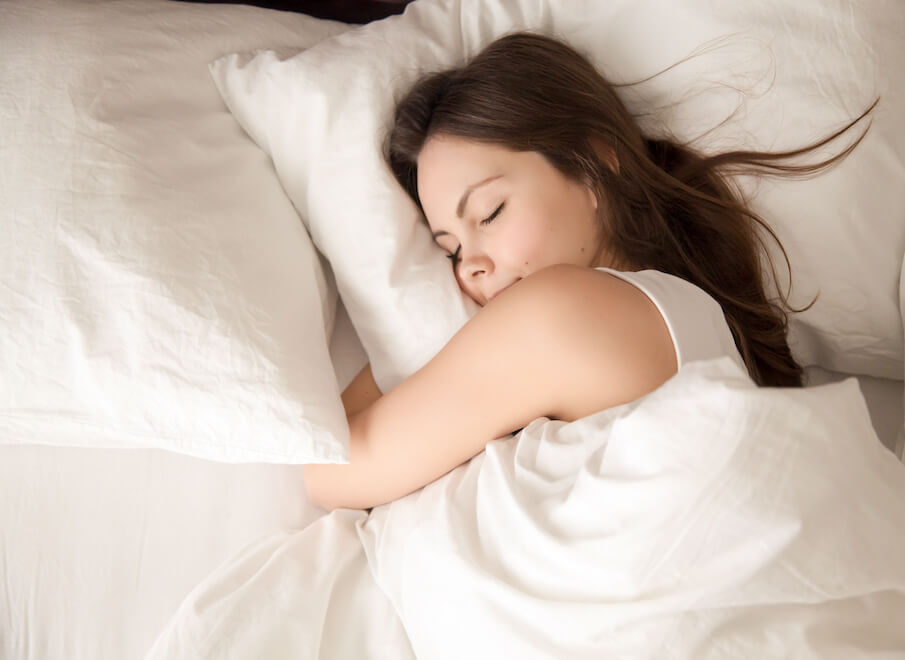
Other Benefits of Napping You Should Know About
For those who occasionally take a long nap, it's important to know your level of sleepiness. If you feel quite sleepy during the day, it would be best to shorten theduration of a good,restorativenap—one hour will be enough.
Naps are not recommended for people with insomnia or sleep deprivation. If a nap is truly necessary—whether on a doctor’s advice or due to severe fatigue—only a 15-minute power napcanhelp; the nap should not last any longer than that.
For those who wake up early—at 3 a.m., for example—a nap of more than three hours is recommended to complete the sleep cycle. If possible, it’s even more beneficial to takethree to four 20-minute micro-napsduringthe day if you suffer from a lack of sleep at night. And this is especially true for night shift workers—a one-and-a-half-hour nap allows the body to relax a bit.
We hope this article has been helpful and that you can now stay in shape all day long thanks to our tips.
Sincerely,
THE KIPLI TEAM