


Summer is the season of being outdoors—of long days, lingering light, and evenings that stretch on. But the nights, they’re a different story. Nighttime heat is one of the most common causes of disrupted sleep, and yet one of the least effectively addressed. We toss and turn, push the comforter aside, wake up sweating at 3 a.m., and get up feeling tired despite hours spent in bed. It’s not a matter of willpower. It’s biology.
Why Heat Disrupts Sleep

The summer heat, which is welcome during the day, becomes a real problem at night. Hot nights make it hard to fall asleep, lead to frequent nighttime awakenings, and cause excessive sweating, which disrupts sleep cycles. The result: you sleep, but you don’t really feel rested.
Summer amplifies this phenomenon in three ways at once: nights remain warm long after sunset, ambient humidity makes sweating less effective at cooling the body, and prolonged exposure to light naturally delays the secretion of melatonin, the hormone that triggers sleep. These three factors combined explain why it’s so hard to get a good night’s sleep in the summer.
Body Temperature and the Sleep-Wake Cycle
Body temperature plays a central role in regulating the sleep-wake cycle. In order to fall asleep, the body must lower its internal temperature by about 0.5 to 1°C. This process is automatic but depends directly on the room temperature. When the room is too warm, the body has trouble dissipating its internal heat, falling asleep is delayed, and periods of deep sleep become shorter and more fragmented.
17–19°C: The ideal room temperature for a restful night's sleep
−1°C: The drop in body temperature needed to fall asleep
> 24°C: The threshold above which deep sleep is significantly reduced
When nighttime heat prevents this drop in temperature, the body must work actively to cool itself, which consumes energy and keeps the nervous system in a state of partial alertness. REM sleep, which is essential for memory and emotional regulation, is also disrupted. Hot nights often leave you feeling persistently tired the next day, even after several hours of sleep.
Regulate the room temperature

The first step to sleeping better in the summer is to treat your bedroom as a thermal space in its own right, not as a room that passively endures the heat from outside.
Close the day, open the night
Keep the shutters and curtains closed during the hottest part of the day. This simple habit can lower the indoor temperature by several degrees by preventing the solar greenhouse effect. In the evening, as soon as the outdoor temperature drops below the indoor temperature—often after 9:00 or 10:00 p.m. in the summer—open the windows to create a cross-breeze. The bedroom will quickly return to a temperature conducive to sleep.
The Fan: An Underutilized Ally
A fan doesn't cool the air; it moves hot air around. For it to be effective, aim it so that it creates a breeze on your body rather than circulating the heat around the room. Placed in front of an open window at night, it draws in cool air from outside and helps the room cool down faster. The white noise it generates can also have a soothing effect that makes it easier to fall asleep.
Natural Bedding: The Summer Duvet Makes All the Difference
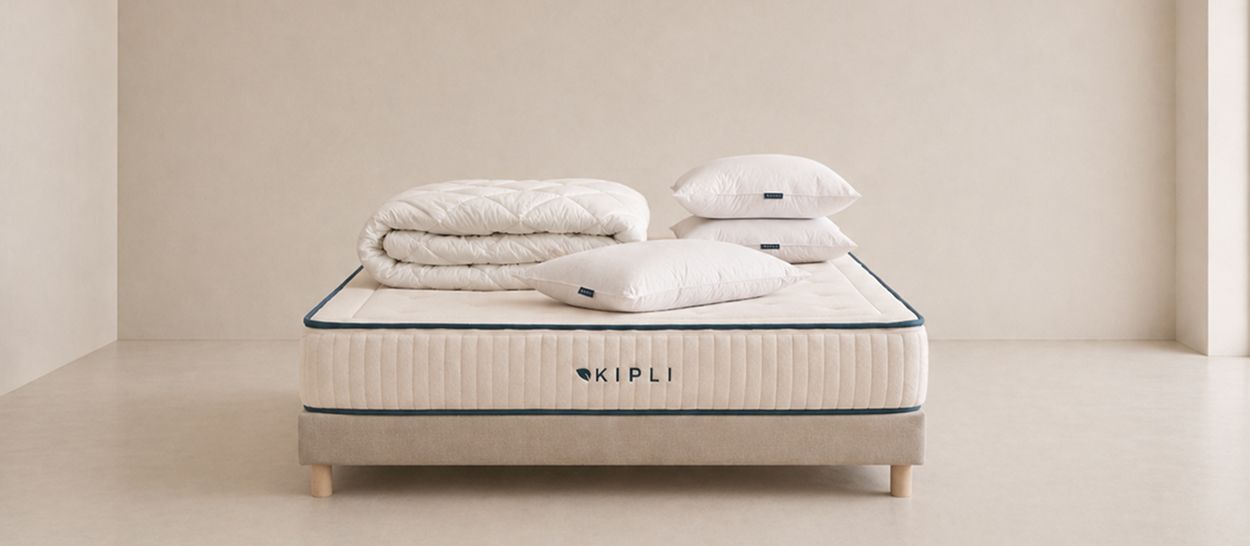
The comforter is often the first thing to adjust for better sleep in the summer, and yet most people sleep under the same winter comforter all year round. A lightweight summer comforter made of natural, breathable materials regulates body temperature much better than a synthetic comforter or an all-season comforter that’s too thick.
Organic cotton, linen, and lightweight natural down fillings wick away moisture and naturally regulate heat without creating the stuffy feeling associated with polyester fillings. For sleepers who sweat a lot at night, a linen or unbleached, untreated cotton sheet is often sufficient in the height of summer, with the comforter placed at the foot of the bed for those cool early mornings.
Summer comforter made of organic cotton with a lightweight natural filling
Wash-finished linen, organic cotton, soft and breathable natural satin
Ventilated natural latex mattress with natural temperature regulation
Breathable natural latex pillows, free of chemical treatments
Mattresses and Heat: Polyurethane foam mattresses trap body heat and cause heat to build up overnight. A natural latex mattress, thanks to its open-cell structure, allows air to circulate through the filling and naturally regulates sleeping temperature—a noticeable difference on summer nights.
7 Tips for Sleeping Better When It's Hot
1. Keep the shutters and curtains closed all day
This is the most effective and cost-free measure you can take. A room that’s well-shaded during the day can stay 4 to 6°C cooler than a room exposed to the sun. Open the windows as soon as the outside temperature drops below the inside temperature.
2. Take a lukewarm shower before bed
Contrary to popular belief, a cold shower stimulates the body and can delay the onset of sleep. Lukewarm water helps gradually lower body temperature, making it easier to fall asleep. It is one of the best-documented rituals for improving sleep quality in the summer.
3. Change your comforter with the seasons
A summer comforter made of breathable natural materials—such as organic cotton, linen, and lightweight down—regulates temperature much better than a synthetic all-season comforter. This single change significantly improves sleep quality for heat-sensitive sleepers.
4. Stay hydrated throughout the day
Staying well-hydrated during the day helps the body regulate its temperature more effectively at night. Avoid alcohol in the evening—it helps you fall asleep initially but disrupts your sleep during the second half of the night, an effect that is amplified by heat.
5. Avoid heavy and spicy meals in the evening
Digestion raises body temperature for several hours. In the summer, a light, hydrating dinner of vegetables, fruit, and lean protein makes it easier to fall asleep and reduces nighttime awakenings caused by internal heat.
6. Maintain a regular bedtime routine
Summer naturally disrupts circadian rhythms—evenings seem to drag on, and bedtime shifts. Maintaining a consistent schedule, even on weekends, helps your internal clock release melatonin at the right time and makes it easier to fall asleep despite the heat.
7. Wear nightwear made from natural fabrics
Organic cotton and linen wick away moisture and allow the skin to breathe. Avoid synthetic materials for bedding and sleepwear—they trap heat and increase nighttime sweating.
Heat Management During the Day
Getting a good night’s sleep in the summer also depends on what you do during the day. Avoid intense physical activity during the hottest hours of the day—intense exercise raises your body temperature, and it takes several hours for it to return to normal. Opt for gentle activities in the evening or early in the morning, when the heat is bearable and physical exertion won’t cause a spike in body temperature that could disrupt your sleep.
When it comes to clothing, choose lightweight, loose-fitting, and breathable fabrics such as cotton, linen, and bamboo. These materials allow the skin to sweat naturally and help maintain a more stable body temperature throughout the day, reducing the thermal load the body has to manage come evening.
In summary, sleeping better in the summer comes down to a simple principle: helping the body cool down naturally. Keep the bedroom dark during the day and well-ventilated at night. Take a lukewarm shower before bed. Use a summer comforter made of natural, breathable materials. Stick to a regular schedule even as the evenings get longer. And choose bedding that doesn’t trap heat—the choice of mattress and comforter makes a real difference in the quality of your summer sleep.
Kipli, of course.
Written by the Kipli team, specialists in natural bedding since 2018. This article is based on data from chronobiology and sleep medicine.